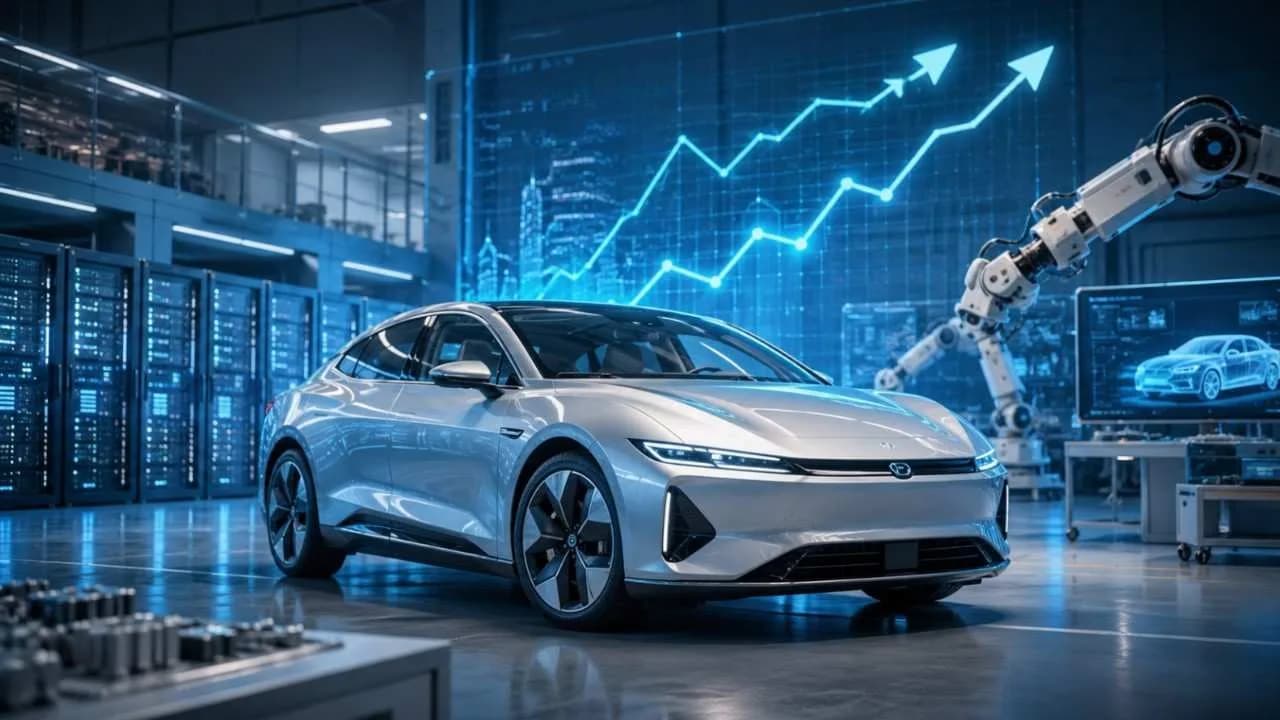
Automakers Race Beyond Cars Into AI and Defense Markets
What happens when car companies stop thinking like automakers and start behaving like tech giants? That shift is already underway as several global manufacturers move aggressively into AI infrastructure, data centers, and defense-related technologies.
For decades, automakers focused on engines, assembly lines, and dealership networks. Now, many of them are investing billions into artificial intelligence systems, autonomous computing, military-grade mobility platforms, and cloud infrastructure. The move is not just about innovation. It is about survival in an industry facing tighter profit margins and slower demand growth.
Why Automakers Are Entering AI and Defense
Electric vehicles brought software into the center of the automotive business. Today’s vehicles rely on advanced chips, real-time data processing, and AI-powered systems to manage everything from battery performance to driver assistance.
From experience, one common mistake people make is assuming car companies only earn money from selling vehicles. In reality, many global manufacturers are now chasing high-margin sectors where software and infrastructure generate recurring revenue.
AI data centers have become especially attractive. These facilities power cloud computing, autonomous driving systems, and industrial automation. Automakers already collect enormous amounts of driving and operational data, making them natural candidates to build or partner in AI ecosystems.
At the same time, defense contracts are gaining attention because governments worldwide are increasing military technology spending. Heavy vehicle manufacturers and battery developers already possess expertise in mobility, robotics, and durable engineering. Those capabilities can easily extend into defense logistics and surveillance platforms.
The Financial Pressure Behind the Shift
Developing modern vehicles has become extremely expensive. Battery production, semiconductor shortages, and global supply chain disruptions continue to pressure manufacturers.
In many cases, automakers are treating diversification like a family opening multiple income streams during inflation. Relying on one paycheck no longer feels safe. The same logic now applies to billion-dollar corporations trying to stabilize long-term revenue.
Several firms are also betting that AI infrastructure will eventually become more profitable than traditional car sales. Software subscriptions, cloud processing, and fleet intelligence services offer continuous income instead of one-time vehicle purchases.
Emerging Investment Areas for Automakers
| Sector | Main Opportunity | Potential Benefit |
|---|---|---|
| AI Data Centers | Cloud computing and autonomous driving | Recurring software revenue |
| Defense Technology | Military mobility and robotics | Government contracts |
| Battery Infrastructure | Energy storage systems | Long-term industrial demand |
What This Means for Pakistan and Emerging Markets
Pakistan’s automotive sector could eventually feel the impact of this transition. Local assemblers may need to invest more heavily in software talent, cybersecurity, and smart manufacturing systems instead of focusing only on mechanical production.
There is also growing demand for engineers skilled in AI systems, semiconductor design, and data infrastructure. Universities and technical institutes may need to adapt faster to prepare graduates for the changing industry landscape.
For consumers, this transformation could bring smarter vehicles and better connectivity. However, it may also increase vehicle prices as companies continue investing in advanced technologies.
Closing Thought
The global automotive industry is no longer operating inside traditional boundaries. Companies that once competed through horsepower and fuel economy are now competing through artificial intelligence, computing power, and strategic technology partnerships. The next decade may determine whether automakers remain vehicle manufacturers or evolve into full-scale technology corporations with influence far beyond the road.
Quick Facts
- Automakers are investing heavily in AI infrastructure and cloud computing.
- Defense technology has emerged as a new growth area for mobility companies.
- Software and data services can generate recurring long-term revenue.
- Emerging markets may require new technical skills to stay competitive.
Article Details
Category: Auto
Published:
Author: Muhammad Anus
More Stories