Chanel’s Creative Revival Is Bringing Fresh Energy to Luxury Fashion
What happens when one of the world’s biggest luxury brands decides to reinvent itself without losing its identity? Chanel’s recent creative shift is giving the fashion industry a clear answer.
Over the past year, Chanel has quietly rebuilt momentum through sharper collections, stronger storytelling, and a renewed focus on craftsmanship. While many luxury brands are struggling with slower consumer spending, Chanel appears to be reconnecting with shoppers who want exclusivity without feeling disconnected from modern culture.
A Strategic Reset for a Changing Luxury Market
The global luxury industry is no longer moving at the explosive pace seen after the pandemic. Consumers are becoming more selective. In many cases, even wealthy buyers are questioning whether premium prices still justify the experience.
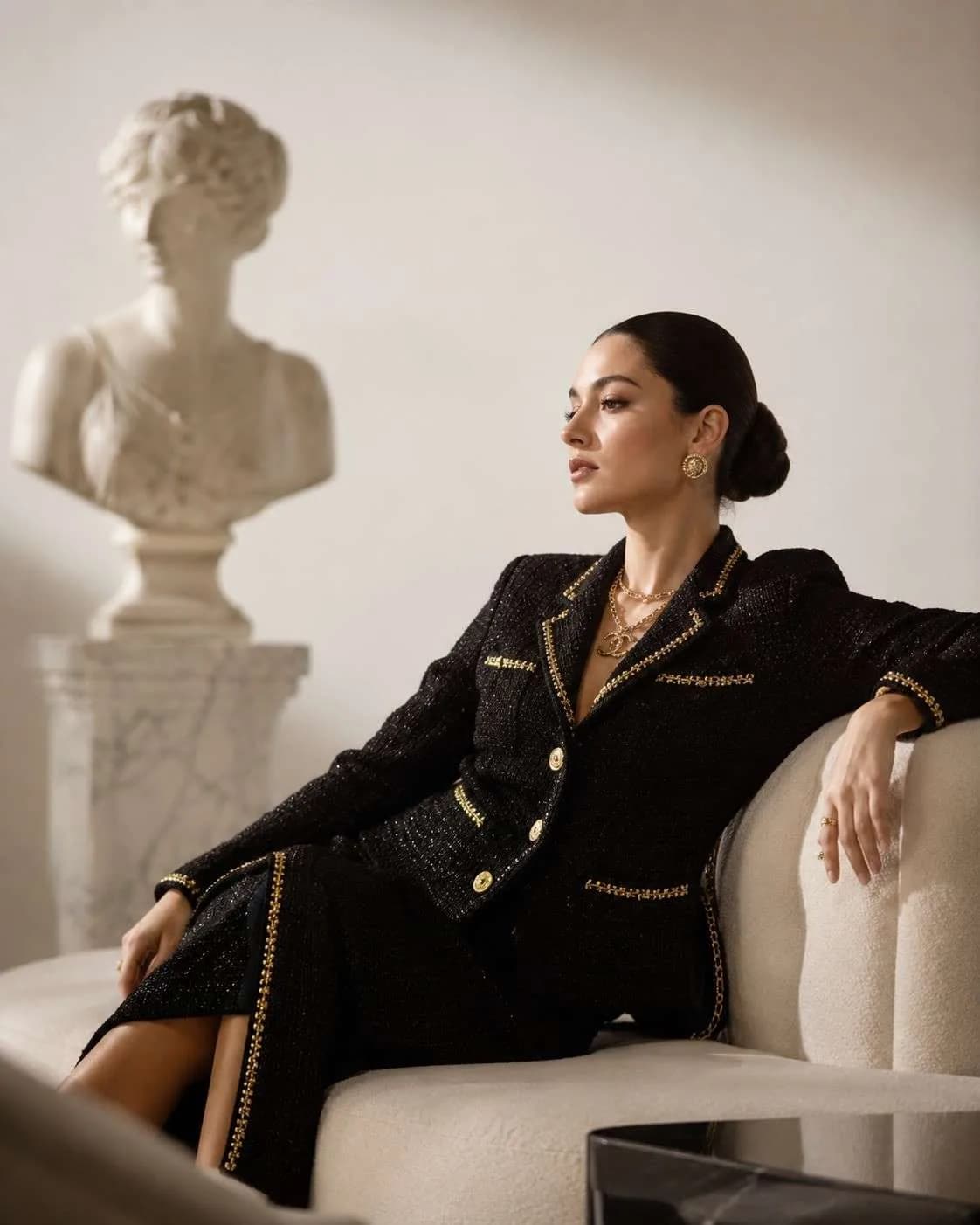
Chanel’s response has been surprisingly practical. Instead of chasing fast-moving trends, the company doubled down on timeless aesthetics while refreshing its creative direction. Fashion analysts say this balance is helping the brand remain aspirational without looking outdated.
From experience, one common mistake people make is assuming luxury shoppers buy only for status. Today’s buyers also want emotional connection and originality. Chanel’s newer runway collections have focused heavily on storytelling, textures, and wearable elegance rather than loud experimentation.
Why Consumers Are Responding Positively
Luxury spending has become more calculated, especially among younger customers entering the premium market for the first time. Buying a Chanel handbag today can feel similar to purchasing a long-term investment piece rather than a seasonal trend item.
That shift matters because inflation and rising living costs have changed shopping behavior worldwide. For many households, even small upgrades now require planning, much like carefully budgeting for a family wedding or a new smartphone purchase.
Chanel’s refreshed identity appears to understand that reality. The brand is positioning itself as a symbol of lasting value instead of disposable luxury.
| Key Area | Chanel’s Approach |
|---|---|
| Creative Direction | Modernized classic fashion identity |
| Customer Strategy | Focus on exclusivity and emotional appeal |
| Market Position | Premium luxury with long-term value perception |
| Brand Momentum | Growing consumer engagement globally |
Luxury Fashion Is Entering a More Competitive Era
Fashion houses are now under pressure to innovate carefully. Customers still appreciate heritage brands, but they also expect cultural relevance. Chanel’s recent success suggests that luxury labels do not always need dramatic reinvention to stay competitive.
Instead, consistency paired with selective creativity may be the smarter path forward. The company’s retail strategy, limited product availability, and carefully managed image continue to strengthen demand even during uncertain economic conditions.
Industry observers believe this creative revival could also influence how other luxury houses approach branding in the coming years. Smaller collections, stronger narratives, and higher emotional value are becoming more important than simply increasing product volume.
Closing Thought
Chanel’s latest momentum reflects a broader shift happening across luxury fashion. Consumers still value prestige, but they are also looking for authenticity and lasting quality. If the brand continues balancing tradition with carefully measured innovation, it may remain one of the strongest players in the luxury market for years ahead.
Quick Facts Box
- Luxury consumers are becoming more selective with premium purchases
- Chanel is focusing on timeless design with modern creative updates
- Brand exclusivity remains a major driver of customer demand
- Emotional connection is becoming increasingly important in luxury fashion
Article Details
Category: Business
Published:
Updated:
Author: Muhammad Anus
More Stories