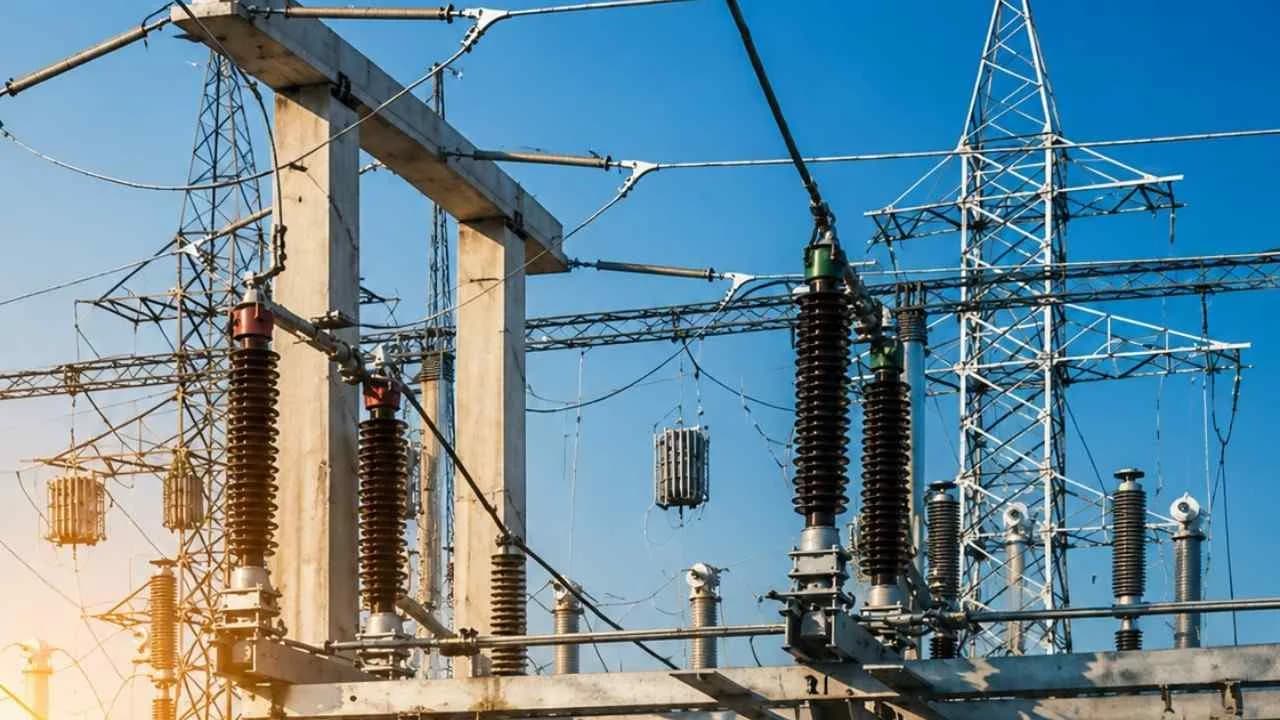
Discos Privatization Opens Fresh Doors for Investors in Pakistan
What happens when a struggling power sector starts opening its doors to private investors? In Pakistan’s case, it could reshape everything from electricity billing to future business opportunities.
The government’s renewed push toward privatizing power distribution companies, commonly known as DISCOs, is once again attracting attention from investors, energy experts, and financial institutions. While consumers are mainly focused on rising electricity bills, investors are quietly watching a different side of the story.
Why DISCO Privatization Matters
Pakistan’s power distribution system has struggled for years with line losses, electricity theft, and delayed recoveries. Public sector management has often failed to control inefficiencies, leading to billions in annual losses.
In many cases, the burden eventually lands on ordinary households. For a middle-class family already balancing school fees, fuel expenses, and grocery bills, rising electricity costs can feel like pouring water into a leaking bucket.
The privatization plan aims to reduce these losses by bringing in private operators with better technology, stricter accountability, and stronger financial discipline.
Investors See Long-Term Potential
The biggest attraction for investors is the possibility of modernizing an underperforming sector. Energy firms, infrastructure groups, and financial investors see opportunities in smart metering, grid upgrades, renewable integration, and digital billing systems.
From experience, private investors usually enter sectors where operational improvements can quickly increase profitability. Pakistan’s distribution companies fit that description closely.
One common mistake people make is assuming privatization only benefits large corporations. In reality, it can also create opportunities for local suppliers, technology vendors, solar companies, and engineering contractors.
Where the Money Could Flow
| Sector | Potential Opportunity | Expected Impact |
|---|---|---|
| Smart Metering | Digital billing systems | Reduced theft and better recovery |
| Renewable Energy | Solar integration projects | Lower dependence on expensive fuel |
| Infrastructure | Grid modernization | Improved supply reliability |
Challenges Still Remain
Despite the optimism, the process is far from simple. Investors will closely examine regulatory stability, political continuity, and payment recovery mechanisms before making major commitments.
There is also public concern about whether privatization could lead to higher tariffs. Experts argue that without structural reform, the current system may continue producing the same financial problems year after year.
At the same time, transparency during the privatization process will remain critical. Investors prefer predictable policies, while consumers want assurances that service quality will improve instead of simply shifting ownership.
Quick Facts Box
- Pakistan’s power sector losses run into hundreds of billions of rupees annually
- Smart metering projects are expected to expand under private management
- Energy theft remains one of the largest financial challenges for DISCOs
- Private investment may increase grid modernization and renewable integration
Closing Thought
Pakistan’s power sector stands at an important turning point. If handled carefully, DISCO privatization could attract investment, improve efficiency, and modernize aging infrastructure. The road ahead will depend on consistent policies, transparent execution, and balancing investor confidence with consumer protection. For now, the market is watching closely because the next few years may define the future of energy investment in the country.
aiming to reduce losses and improve service.
Article Details
Category: Business
Published:
Updated:
Author: Muhammad Anus
More Stories