Europe EV Demands Rices Amid Soaring Fuel Prices in The Automotive Industry
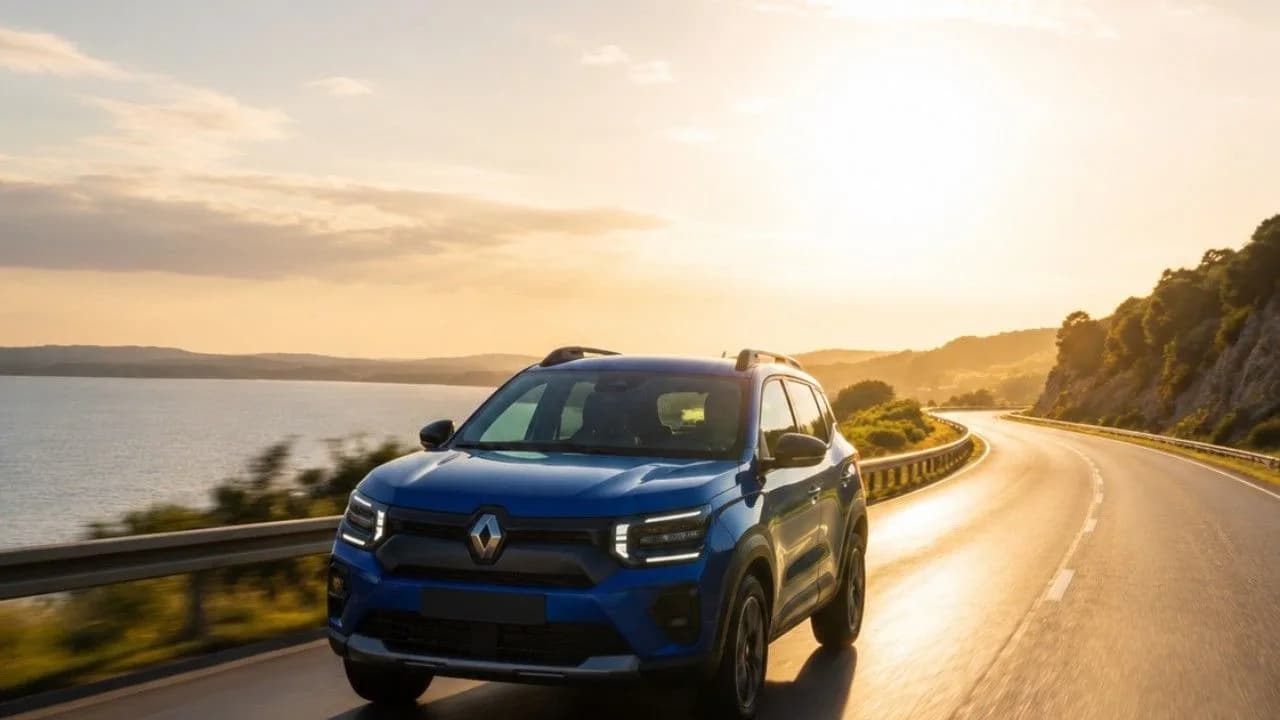
Europe EV Demands Rices Amid Soaring Fuel Prices in The Automotive Industry
Europe’s EV Boom Gains Speed as Fuel Costs Hit Record Highs
What happens when filling up a family car starts feeling like paying another utility bill? Across Europe, that question is pushing thousands of drivers toward electric vehicles faster than many analysts expected.
As petrol and diesel prices continue climbing in several European countries, electric vehicle sales are seeing fresh momentum. Households already struggling with rising grocery bills and electricity costs are now reconsidering how much they spend just to commute to work or take children to school.
Fuel Prices Are Changing Consumer Habits
In many cases, drivers who once viewed EVs as expensive luxury products are now treating them as long-term money savers. Fuel costs in parts of Europe have surged due to energy supply pressures, transport disruptions, and ongoing geopolitical uncertainty.
For middle-income families, the impact is becoming difficult to ignore. A weekly fuel refill that once cost €60 can now climb beyond €100 in some cities. From experience, consumers usually tolerate small increases, but repeated spikes change buying behavior completely.
One common mistake people make is focusing only on the upfront cost of electric cars. Many buyers are now calculating monthly running expenses instead. Charging an EV at home often costs significantly less than fueling a traditional combustion-engine vehicle.
Why EV Adoption Is Accelerating
Automakers across Europe have also expanded affordable EV lineups over the past two years. Governments in several countries continue offering tax incentives, reduced registration fees, and charging infrastructure support.
That combination is creating a practical shift in consumer thinking. For many urban drivers, owning an electric vehicle now feels less like a technology experiment and more like a budgeting decision.
| Factor | Petrol Vehicle | Electric Vehicle |
|---|---|---|
| Average Running Cost | Higher | Lower |
| Fuel Dependency | High | Minimal |
| Maintenance Needs | Frequent | Generally Lower |
Charging Networks Still Remain a Challenge
Despite the surge in interest, Europe’s EV transition is not without hurdles. Charging infrastructure remains uneven, especially outside major cities. Rural drivers still worry about long-distance travel and charging station availability.
Automakers are responding by improving battery range and reducing charging times. Several energy companies are also expanding fast-charging networks near highways and shopping centers.
Experts believe the next two years will be critical. If charging access improves while fuel prices remain unstable, EV adoption could accelerate even further.
Families Are Thinking Long-Term
For many households, the conversation is no longer about environmental trends alone. It is about financial survival. Buying an EV today is increasingly compared to switching from traditional bulbs to energy-saving LEDs years ago. The upfront expense may look high initially, but the monthly savings slowly become impossible to ignore.
Some consumers are even delaying conventional car purchases entirely while waiting for more affordable EV models to enter the market.
Quick Facts
- Fuel prices across parts of Europe have reached multi-year highs
- EV running costs are often lower than petrol-powered vehicles
- Governments continue offering incentives for EV buyers
- Charging infrastructure expansion remains a major priority
Europe’s growing EV demand reflects more than a temporary market trend. Consumers are adapting to economic pressure and changing transportation habits at the same time. While challenges around charging infrastructure and affordability still exist, the region’s automotive future appears to be moving steadily toward electrification.
Article Details
Category: Auto
Published: 20 May 2026
Time: 6:53 pm
Author: Muhammad Anus
More Stories