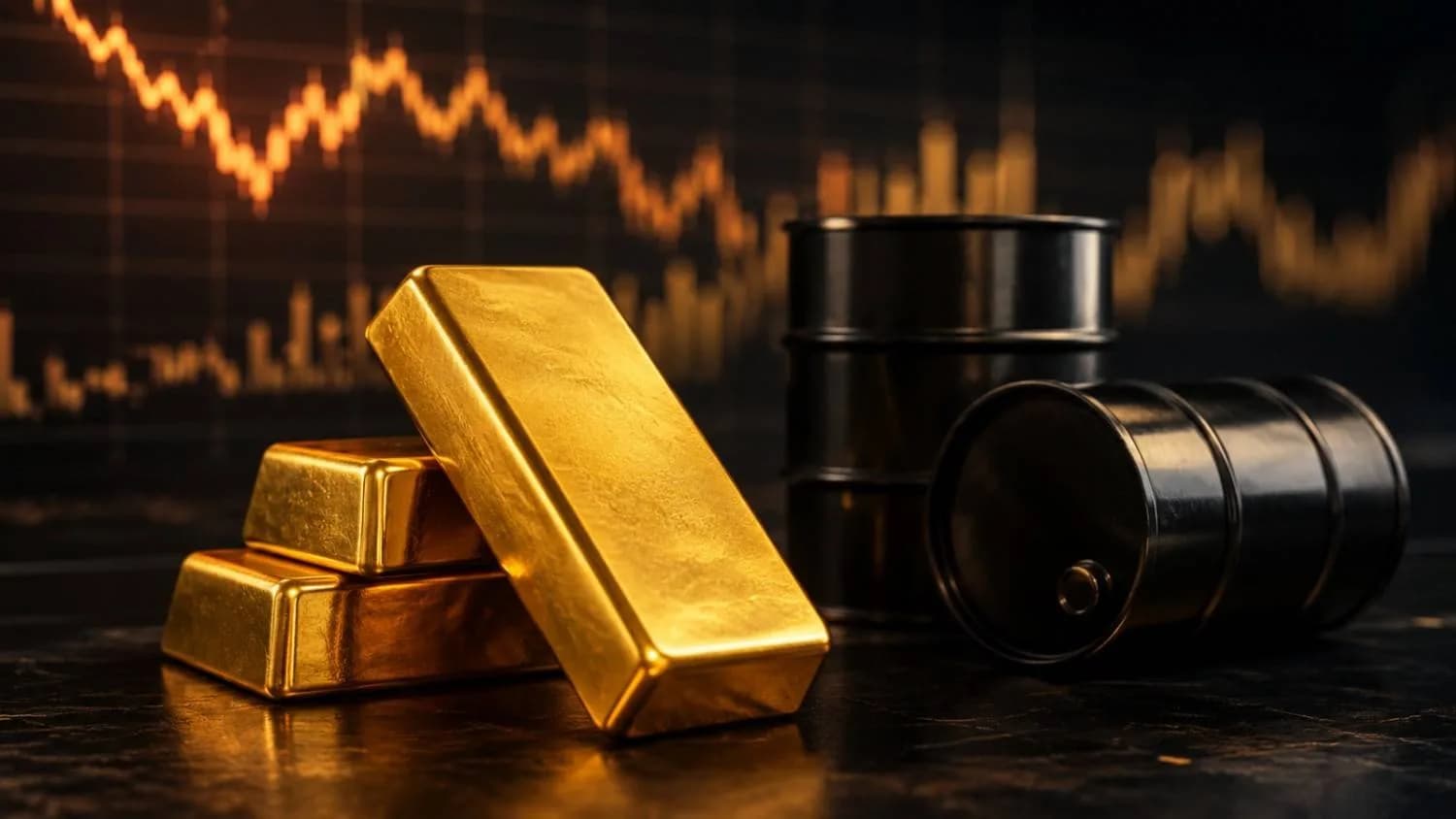
Gold Slides Toward Weekly Loss as Oil Surge Revives Global Rate Hike Concerns
What happens when oil prices climb just as investors hope inflation is cooling? Markets begin to panic, and gold often ends up caught in the middle.
Gold prices moved lower this week as rising crude oil prices reignited fears that central banks may keep interest rates elevated for longer than expected. Investors across global markets shifted toward caution after stronger energy prices increased concerns about inflation staying stubbornly high through the coming months.
Although gold is traditionally considered a safe-haven asset during uncertain periods, the metal tends to struggle when bond yields and interest rate expectations rise together. That exact combination returned this week, pushing bullion toward a weekly decline despite lingering geopolitical uncertainty.
Analysts say the pressure on gold is not coming from a single event. Instead, it reflects a mix of energy market volatility, inflation anxiety, and shifting investor expectations around future monetary policy decisions in the United States and Europe.
Quick Facts
- Gold prices recorded a weekly decline after recent gains
- Crude oil prices rose sharply due to supply concerns
- Markets fear inflation may remain elevated longer than expected
- Higher interest rate expectations reduced investor appetite for bullion
Why Oil Prices Are Suddenly Driving Gold Markets
Oil and gold often move for different reasons, but inflation can connect both markets very quickly. When oil prices rise sharply, transportation, manufacturing, and consumer costs usually follow. That increases the risk of broader inflation across economies.
In many cases, central banks respond to stubborn inflation by maintaining higher interest rates or delaying planned cuts. That creates a difficult environment for gold because the precious metal does not pay interest or yield returns like bonds or savings instruments.
Traders this week closely watched gains in global crude benchmarks after renewed concerns over supply disruptions and stronger seasonal demand. Those developments triggered speculation that inflation may rebound just as policymakers were preparing for softer monetary policies.
As a result, investors reduced some of their gold exposure and moved toward assets expected to benefit from elevated rates.
The Inflation Connection
Energy prices play a major role in shaping inflation trends worldwide. Even a modest rise in oil can affect fuel, electricity, food logistics, airline tickets, and industrial production costs.
For ordinary households, this pressure feels similar to slowly turning up the heat under a cooking pot. At first, the increase seems manageable. Then suddenly, monthly budgets begin boiling over.
Families in many countries are already struggling with high grocery bills and expensive utilities. If oil prices remain elevated for a prolonged period, central banks may feel forced to keep borrowing costs high to control spending and price growth.
That possibility is exactly what made investors nervous this week.
Gold’s Traditional Safe-Haven Role Faces a Challenge
Gold usually attracts investors during periods of political instability, economic uncertainty, or financial stress. However, the current market environment has created conflicting forces.
On one side, geopolitical risks and global economic uncertainty continue supporting long-term interest in bullion. On the other, rising yields and stronger rate expectations are reducing short-term demand.
From experience, many retail investors assume gold always rises during uncertain periods. The reality is more complicated. Gold performs best when fear increases while interest rates remain stable or fall. When rates rise aggressively, the opportunity cost of holding gold also rises.
This week’s market action reflected that tension clearly.
Stronger Dollar Adds More Pressure
The US dollar also strengthened during the week, creating another obstacle for gold prices. Since gold is globally traded in dollars, a stronger American currency makes bullion more expensive for international buyers.
That typically weakens demand from overseas markets and adds selling pressure to precious metals.
Currency traders reacted to expectations that the US Federal Reserve could remain cautious about cutting rates if inflation risks continue rising. The combination of firm Treasury yields and a stronger dollar pushed gold lower despite safe-haven demand from some investors.
Market Snapshot
| Market Indicator | Weekly Trend | Market Impact |
|---|---|---|
| Gold Prices | Lower | Investor caution increases |
| Crude Oil Prices | Higher | Inflation fears strengthen |
| US Dollar | Stronger | Gold demand weakens globally |
| Bond Yields | Rising | Non-yielding assets lose appeal |
Central Banks Remain the Biggest Market Driver
Global investors are now closely focused on signals from major central banks, especially the US Federal Reserve. Policymakers have repeatedly stated that inflation must show consistent improvement before interest rate cuts can begin.
Recent oil price movements complicated that outlook.
One common mistake people make is assuming inflation only comes from consumer demand. Energy shocks can rapidly push prices higher across entire economies even when consumer spending slows.
That creates a policy dilemma for central banks. Cutting rates too early could reignite inflation. Keeping rates elevated for too long could slow economic growth further.
Markets are trying to price in both possibilities at the same time, which explains the sharp volatility across commodities and currencies.
Will the Federal Reserve Delay Rate Cuts?
Financial markets earlier expected multiple interest rate cuts this year. However, stronger-than-expected economic data and persistent inflation have already forced traders to scale back those expectations.
The latest rise in oil prices has added another layer of uncertainty.
Several market strategists now believe policymakers may wait longer before easing monetary policy. If that happens, gold could remain under pressure in the near term, especially if Treasury yields continue climbing.
Still, some analysts argue that prolonged high rates could eventually weaken economic activity enough to revive strong demand for safe-haven assets later in the year.
How Retail Investors Are Responding
Retail investors remain divided on the outlook for gold. Some continue accumulating bullion as protection against long-term inflation and economic uncertainty. Others are moving toward short-term yield opportunities in fixed-income markets.
In South Asian markets, including Pakistan and India, local gold demand also depends heavily on currency movements and domestic inflation trends.
Pakistani consumers, for example, often view gold as both an investment and a form of financial security. Yet rising local prices can reduce buying activity, especially during periods of economic pressure.
Jewellers in several regional markets have already reported cautious customer behavior as volatility increases.
The Emotional Side of Gold Investing
Gold is not just another commodity for many households. It carries emotional and cultural value alongside financial importance.
That emotional connection sometimes leads investors to make rushed decisions during volatile periods. Panic buying after sharp rallies or aggressive selling during temporary declines often hurts long-term returns.
Experienced investors usually focus on broader economic trends instead of reacting to every short-term market swing.
From experience, disciplined investing matters more than trying to predict every weekly movement.
Can Rising Oil Eventually Help Gold?
Ironically, sustained oil-driven inflation could eventually become supportive for gold again.
If inflation accelerates sharply enough to damage economic growth or consumer confidence, investors may return to gold for protection. That shift often happens when markets believe central banks are losing control of inflation or when recession risks intensify.
For now, however, traders appear more focused on interest rates than long-term inflation hedging.
The next few weeks could prove critical. Upcoming inflation reports, employment data, and central bank commentary will likely determine whether gold stabilizes or faces additional selling pressure.
What Investors Should Watch Next
Several indicators will shape gold’s direction in the near term:
- Future oil price movements and supply conditions
- US inflation data releases
- Federal Reserve policy signals
- Bond yield performance
- Global geopolitical developments
If inflation indicators remain stubbornly high, markets may continue pricing in delayed rate cuts. That scenario would likely keep gold volatile.
However, any signs of economic slowdown or easing inflation could quickly revive buying interest in bullion.
Closing Thought
Gold markets are once again balancing between fear and opportunity. Rising oil prices have reminded investors that inflation risks have not fully disappeared, even after months of tighter monetary policy worldwide. While short-term pressure may continue, long-term demand for gold is unlikely to fade completely. Investors, households, and businesses are all watching the same question now: whether central banks can control inflation without slowing global growth too sharply. The answer could shape commodity markets for the rest of the year.
Article Details
Category: Business
Published:
Updated:
Author: Muhammad Anus
More Stories