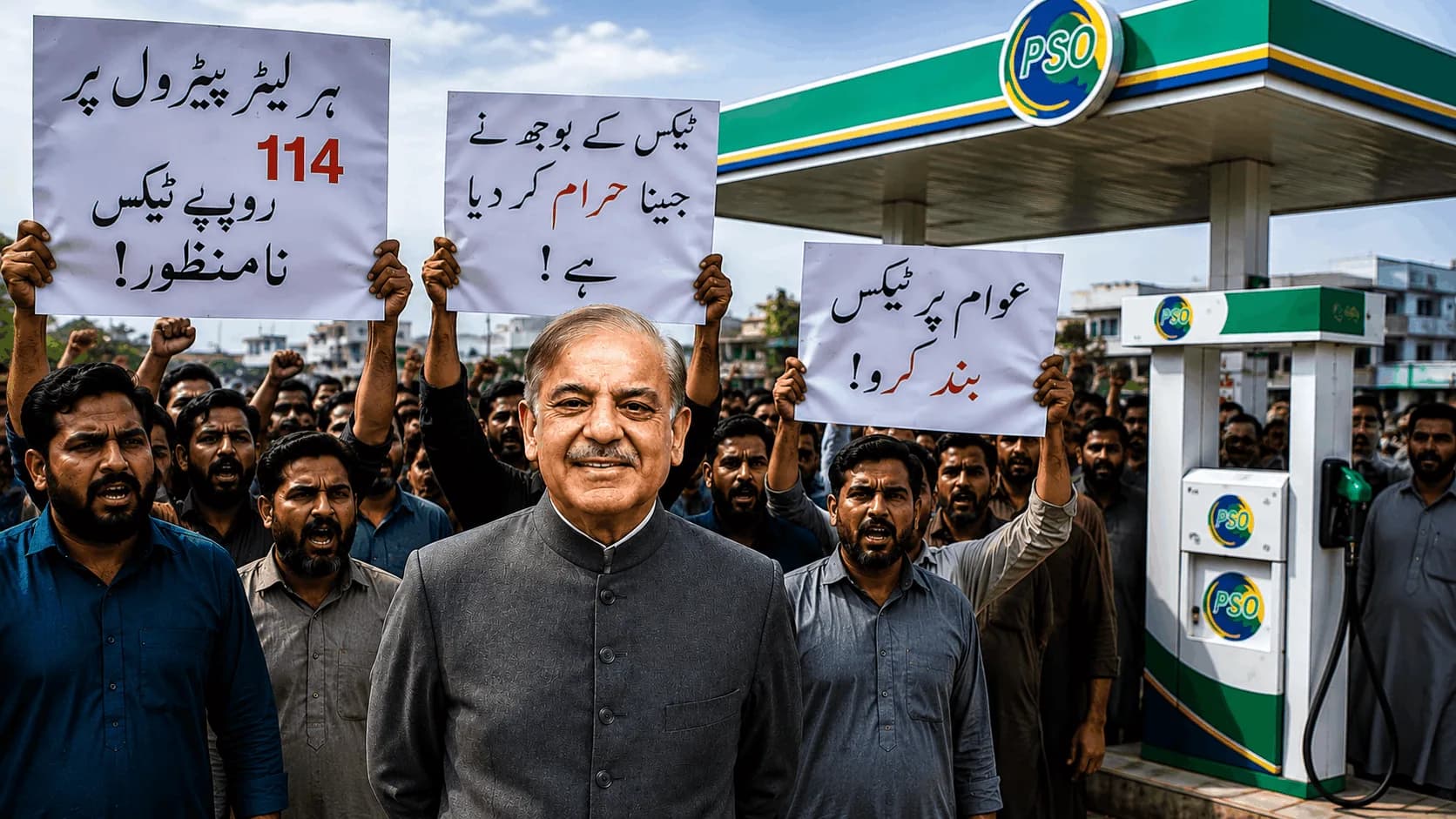

Govt Considers Removing Cap on Foreign Remittances
The proposal has gained attention among investors, overseas Pakistanis, banks, exchange companies, and financial analysts because remittances remain one of Pakistan’s most important sources of external financing.
From an investment perspective, any policy move related to remittance limits could influence the banking sector, currency stability, foreign exchange availability, and broader investor confidence in Pakistan’s economy.
Official details regarding the final policy framework, implementation timeline, and revised remittance thresholds have not officially been mentioned yet.
Investment Overview
Remittances are funds transferred by overseas Pakistanis to individuals, families, or businesses within Pakistan. These inflows play a critical role in supporting household consumption, foreign exchange reserves, and economic stability.
The government’s reported consideration to lift remittance caps may aim to encourage more formal channel inflows through banks and licensed exchange companies.
In practical terms, easier remittance rules could potentially improve liquidity in the banking system while reducing reliance on informal transfer networks.
Quick Facts Box
Market Background
Pakistan’s economy heavily depends on worker remittances sent by overseas Pakistanis, particularly from the Gulf region, the United Kingdom, Europe, and North America.
Over the years, remittance inflows have often helped offset trade deficits and support the country’s external account position. During periods of economic pressure, policymakers frequently prioritize measures aimed at attracting foreign inflows through formal banking channels.
In many cases, governments attempt to reduce informal transfer activity by making official remittance systems more accessible and attractive for overseas workers.
Analysts believe any relaxation in remittance-related restrictions could encourage larger inflows through documented channels, though implementation details will remain critical.
Current Market Situation
- Foreign exchange reserves remain closely monitored by investors.
- Remittances continue contributing significantly to Pakistan’s external financing position.
- The banking sector benefits from steady remittance inflows.
- Currency market stability remains linked to external inflows.
- Policy reforms are being closely watched by financial markets.
Investment Type
While remittance policy changes are not a direct investment product, they can significantly influence multiple asset classes including banking stocks, fixed-income markets, currency markets, and foreign exchange-related businesses.
From an investment perspective, higher remittance inflows can improve liquidity conditions and strengthen banking sector deposits, potentially supporting financial sector performance over time.
Price / Value Details
| Metric | Information |
|---|---|
| Proposed Remittance Cap Revision | Not officially mentioned yet. |
| Expected Policy Timeline | Not officially mentioned yet. |
| Banking Sector Impact | Potential increase in foreign currency inflows |
| Foreign Exchange Impact | Could support reserve stability |
Historical Performance
Pakistan has historically relied on remittances as a stabilizing factor during periods of economic stress. In several years, remittance inflows exceeded expectations and provided critical support for the balance of payments position.
The banking sector has also benefited from rising remittance activity because foreign inflows can strengthen deposit growth and liquidity management.
| Historical Factor | Impact |
|---|---|
| Higher Remittance Inflows | Improved foreign reserve support |
| Currency Volatility | Increased pressure on external accounts |
| Formal Banking Incentives | Boosted documented remittance flows |
Potential Returns and Risk Factors
| Potential Benefit | Associated Risk |
|---|---|
| Higher banking liquidity | Regulatory uncertainty |
| Improved reserve position | Currency market volatility |
| Better formal inflow tracking | Dependence on overseas economic conditions |
Short-Term vs Long-Term Outlook
| Time Horizon | Outlook |
|---|---|
| Short-Term | Banking and currency markets may react positively to expectations of stronger inflows. |
| Long-Term | Sustainable benefits depend on consistent policy implementation and economic stability. |
Tax and Regulatory Details
| Category | Details |
|---|---|
| Regulatory Authority | State Bank of Pakistan |
| Tax Implications | Depends on transaction type and applicable regulations |
| Legal Status | Policy consideration stage |
How to Invest
- Monitor official SBP and Finance Ministry announcements.
- Review banking sector developments and remittance trends.
- Assess currency market conditions carefully.
- Evaluate exposure to banking and exchange-related stocks.
- Consult licensed financial advisors before making investment decisions.
Investment Platforms Table
| Platform | Purpose |
|---|---|
| Commercial Banks | Remittance receiving channels |
| Exchange Companies | Foreign exchange services |
| PSX-listed Banks | Investment exposure to banking sector |
Beginner Investor Checklist
| Checklist Item | Importance |
|---|---|
| Understand currency risk | Essential |
| Follow regulatory updates | Highly Recommended |
| Diversify investments | Important |
Risk Management Tips
- Monitor exchange rate movements regularly.
- Avoid overexposure to a single sector.
- Track remittance inflow data published by SBP.
- Review banking sector earnings carefully.
- Maintain diversified investment portfolios.
Common Mistakes Investors Make
One common mistake investors make is assuming remittance-related policy changes automatically guarantee stronger market performance.
Many beginner investors overlook the impact of global economic conditions on overseas worker earnings and transfer patterns.
In practical terms, policy announcements alone may not deliver immediate financial benefits unless supported by stable implementation and broader economic confidence.
Comparison With Other Investments
| Investment Type | Risk Level | Liquidity | Volatility |
|---|---|---|---|
| Banking Stocks | Medium | High | Moderate |
| Government Securities | Low to Medium | Moderate | Low |
| Currency Market Exposure | High | High | High |
Pros and Cons
| Pros | Cons |
|---|---|
| Potential increase in formal inflows | Regulatory uncertainty remains |
| Better banking liquidity | External economic dependency |
| Potential support for reserves | Currency market volatility |
Expert Analysis
From an investment perspective, easing remittance restrictions could improve formal foreign currency inflows and provide some support to Pakistan’s external account position.
However, investors will likely focus on implementation details, monitoring mechanisms, and the government’s broader economic reform agenda before fully pricing in long-term benefits.
For long-term investors, sustainable economic confidence will depend not only on remittance inflows but also on fiscal discipline, exchange rate stability, and structural reforms across the financial sector.
Final Thoughts
Pakistan’s consideration of lifting remittance caps signals continued efforts to strengthen formal foreign inflows and support economic stability. While the policy discussion has attracted positive attention from some market participants, investors remain cautious about execution, regulatory clarity, and long-term sustainability.
In many cases, the effectiveness of remittance reforms depends on investor confidence, efficient banking systems, and stable macroeconomic conditions. Financial markets will continue monitoring official announcements closely in the coming weeks.
Frequently Asked Questions
1. What does lifting the remittance cap mean?
It may allow higher or unrestricted remittance transfers through formal channels.
2. Is the policy officially approved?
No final approval has officially been announced yet.
3. Is this investment-related development important?
Yes. It may influence banking liquidity, foreign reserves, and currency markets.
4. What are the main risks?
Regulatory uncertainty, currency volatility, and implementation challenges remain key risks.
5. Is it suitable for beginner investors?
Beginner investors should first understand currency and banking sector risks.
6. Are there taxes on remittances?
Applicable rules depend on transaction type and current regulations.
7. Which sectors may benefit?
Banking, exchange companies, and foreign currency-related businesses may benefit.
8. What documents are usually required for remittances?
Banks and exchange companies may require identity verification and transaction details.
9. Is the process regulated in Pakistan?
Yes. Remittance channels are regulated by the State Bank of Pakistan.
10. What alternatives exist for investors?
Investors may also consider government securities, equities, mutual funds, and fixed-income products.
Article Details
Category: Investment
Published:
Updated:
Author: Irfan Ali
More Stories