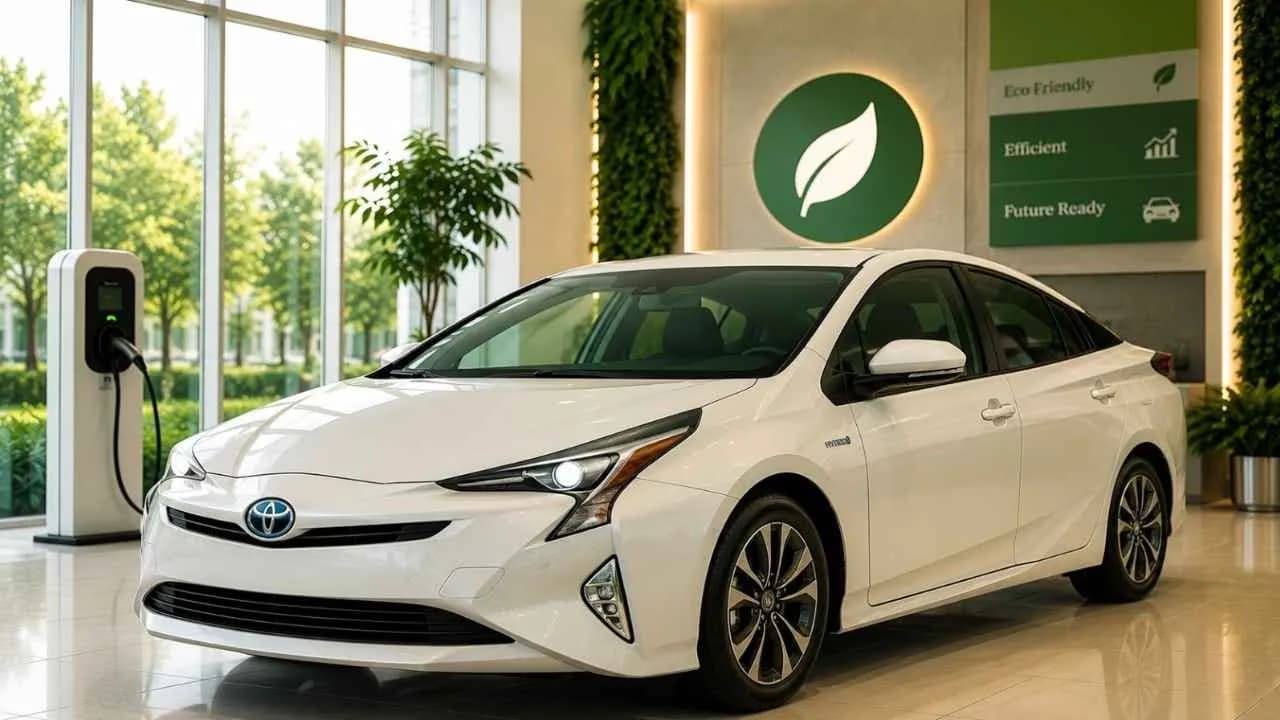
The recent GST hike has sent shockwaves through Pakistan’s auto market. Hybrid vehicle prices jumped sharply after the government raised the tax rate on these fuel-efficient models from 8.5% to 25%. Many buyers who were planning to upgrade now face bills over a million rupees higher.
I’ve followed the Pakistani automotive scene for years, and this change feels particularly frustrating. Just when hybrids were gaining traction for lower running costs, the policy shift hits hard.
From what I see on forums and dealer chats, customers are pausing purchases. The new prices make popular models like the Toyota Corolla Cross Hybrid and Honda HR-V significantly costlier overnight.
This situation comes right after the old auto policy expired, leaving everyone in a holding pattern. In my experience, such uncertainty often leads buyers to reconsider their options entirely.
The Immediate Ripple Effect
Dealers report suspended deliveries while assemblers wait for clarity. It’s a classic case of policy delay meeting tax reality.
If you’re eyeing a hybrid in 2026, understanding these shifts early can save you headaches later. Let’s break it down step by step.
Details of the Price Increases
Toyota and Honda didn’t waste time adjusting. Indus Motor Company raised the Toyota Corolla Cross hybrid variants by Rs1.364 million and Rs1.314 million. The new prices now sit at Rs10.299 million and Rs9.849 million respectively.
Honda Atlas Cars followed suit. They increased the HR-Ve model by Rs1.370 million, pushing it to Rs10.369 million. These are not small bumps. For many middle and upper-middle class families, this extra amount equals a hefty chunk of savings or loan burden.
Other assemblers have simply stopped invoicing and delivering hybrids for now. Customers ready to book this month are left waiting. One dealer told me many buyers walked in excited but left disappointed after seeing the revised quotes.
Real Impact on Buyers
I checked similar discussions on Quora where Pakistani expats in the USA compared costs. One user from Texas mentioned their hybrid purchase felt reasonable because incentives offset price hikes. Here, the sudden GST change removes that cushion entirely.
This jump affects not just the sticker price but also monthly installments if you finance. From experience, many overlook the full loan impact until the bank quote arrives.
Comparison Table: Price Changes
Model | Old Price (Approx) | New Price | Increase Amount |
|---|---|---|---|
Toyota Corolla Cross HEV (Variant 1) | ~Rs8.935m | Rs10.299m | Rs1.364 million |
Toyota Corolla Cross HEV (Variant 2) | ~Rs8.535m | Rs9.849m | Rs1.314 million |
Honda HR-Ve | ~Rs8.999m | Rs10.369m | Rs1.370 million |
These figures show why many are rethinking their hybrid switch right now.
Why Now? The GST Hike and Policy Vacuum
The timing couldn’t feel more awkward. The previous Auto Policy 2021-26 ended on June 30, 2026, and the new 2026-31 version is still not notified. Meanwhile, the budget introduced the GST increase to 25% on hybrids.
Assemblers and buyers expected some continuity or relief in the fresh policy. Instead, we got a tax hike without the supporting framework. Finance Minister Muhammad Aurangzeb mentioned the new policy was being vetted, but details remain pending even weeks later.
In many cases I’ve observed, this kind of gap creates hesitation across the market. Manufacturers don’t want to absorb costs, so they pass them on immediately.
Government Objectives vs Ground Reality
The goal was clearly to promote fuel-efficient vehicles. Yet this GST move risks doing the opposite. Higher prices may push people back toward conventional petrol cars that are cheaper upfront.
One common mistake people make is assuming policy announcements translate quickly into action. From what analysts like Asad Ali of Topline Securities point out, the revised policy with new incentives is still awaited.
Waiting Game for Stakeholders
Local assemblers remain tight-lipped. They appear hopeful the government might roll back or adjust the GST rate once the full policy lands. Until then, deliveries stay on hold for eager customers.
This vacuum leaves everyone guessing. In my view, clearer communication from authorities would reduce much of this confusion.
Broader Tariff Changes – Silver Linings?
While the GST hike grabbed headlines, the government also rolled out other tariff adjustments under SRO 1064(I)/2026. Regulatory duty across most categories dropped, with the maximum now capped at 20% instead of 50%. Customs duties on CKD kits, parts, and completely built units saw reductions too.
These moves aim to rationalize the overall import structure as part of the National Tariff Policy 2025-30. Products that previously faced steep duties got bigger relief.
Limited Benefit for Local Assemblers
However, many local players already operate under concessionary regimes like SRO 656. This means the new reductions may not give them much extra advantage. Asad Ali noted that effective duties for CBUs have declined, but local manufacturing benefits remain limited.
Comparison with Competitors
Imported fully built hybrids or certain SUVs might see some price softening due to lower regulatory and customs duties. Local hybrid assemblers, on the other hand, face the full GST brunt without matching relief. This creates an uneven playing field that favors imports in some segments.
From experience, such discrepancies often lead to interesting market shifts. Buyers sometimes explore CBU options when local prices spike too high.
One practical tip: Always compare landed costs of imported vs locally assembled hybrids before deciding. The difference can surprise you.
Impact on Consumers and Market Demand
The massive price jump could seriously slow hybrid adoption. Many middle-income families who budgeted for a hybrid now face an extra Rs1.3 to 1.9 million burden. This directly undermines the push toward cleaner, fuel-efficient transport.
Demand was already building nicely for these vehicles thanks to better mileage and lower running costs. That momentum risks stalling. In one Quora thread I came across, a Karachi-based professional shared how he saved significantly on fuel with his previous hybrid. Now he’s reconsidering entirely due to the new pricing.
Real-World Scenarios
Imagine planning your monthly budget around a hybrid’s efficiency, only to see the purchase price skyrocket. Many will delay or switch to regular models. This shift hurts long-term environmental goals too.
Pros and Cons of the GST Hike on Hybrids
Pros:
Potential increase in government revenue for other development projects.
May encourage faster transition to full EVs in future policies.
Cons:
Makes hybrids less affordable for average buyers.
Slows down reduction in fuel imports and emissions.
Creates market uncertainty during policy transition.
From my observation, the cons currently outweigh the pros for everyday consumers. One common mistake is ignoring total cost of ownership. Hybrids still win on fuel savings over five years, but the upfront barrier is now much higher.
Industry Reactions and Dealer Insights
Assemblers are staying quiet publicly but the message from the ground is clear. Most have paused hybrid invoicing and deliveries while hoping for policy tweaks. This wait-and-see approach leaves customers in limbo.
Dealers I’ve spoken with describe mixed reactions. Some eager buyers are still proceeding, while many others are stepping back to reassess budgets. One dealer mentioned customers walking out after seeing the revised figures, visibly upset about the sudden change.
H3: Analyst Perspectives
Asad Ali from Topline Securities highlighted that the new auto policy, expected to bring fresh incentives, remains unnotified. This delay adds another layer of frustration for the entire sector.
In my experience covering auto developments, such situations often lead to short-term sales dips followed by pent-up demand once clarity arrives. The key question is how long that wait will be.
Customer Experience Highlights
A common sentiment emerging is disappointment mixed with hope. One buyer shared on forums that he had test-driven a Corolla Cross Hybrid and loved the smooth drive and efficiency. The price hike forced him to put plans on hold. Stories like these show the human side of these policy decisions.
What This Means for Pakistan’s Auto Future
This GST hike arrives at a critical moment for Pakistan’s automotive industry. The extended incentives on EV CKD kits until June 30, 2027, offer some hope for full electric vehicles. However, hybrids – the more practical bridge for most buyers – now carry a heavier tax load.
In the long run, clearer policies could still drive growth in electrified vehicles. Yet the current uncertainty risks slowing the shift away from traditional engines. Global trends show countries that maintain consistent incentives see faster adoption of greener options.
Opportunities Amid Challenges
Local manufacturers might push harder for full EVs or improve conventional models in the meantime. For buyers, this period could be ideal to explore remaining stock at old prices where available or consider strong fuel-efficient non-hybrids.
From experience, markets that face such hiccups often bounce back stronger once policies stabilize. Pakistan has the potential to become a more sustainable auto player if the upcoming 2026-31 policy delivers balanced incentives.
The coming months will be telling. Will the government adjust the GST or introduce offsetting benefits? Industry watchers are paying close attention.
What Should Buyers Do Next? Practical Steps
Don’t rush into decisions. First, check with authorized dealers for any remaining pre-hike inventory or special offers. Some might still honor older quotes for confirmed bookings made before the adjustment.
Calculate your total cost of ownership carefully. Even with higher prices, hybrids can save substantially on fuel over 4-5 years. Run the numbers based on your daily commute. Many people overlook this and regret choosing purely on sticker price.
Smart Alternatives to Consider
Explore top fuel-efficient non-hybrid models currently available. Compare real-world mileage figures from owners on local forums. Sometimes a well-maintained regular sedan surprises with its efficiency.
If your budget allows, wait for the new Auto Policy announcement. It might bring incentives that soften the blow. In the meantime, focus on your actual needs – family size, city driving, highway use.
Frequently Asked Questions FAQs
1. Will the GST on hybrid vehicles be reduced soon?
The government has not indicated any immediate rollback. Most experts believe it depends on the final notification of the Auto Policy 2026-31.
2. Which hybrid models are most affected by the price increase?
Toyota Corolla Cross HEV and Honda HR-Ve saw the biggest jumps. Other hybrids and PHEVs will also become costlier. Always confirm latest pricing directly with dealerships as situations can change quickly.
3. Should I buy a hybrid now or wait?
It depends on your urgency. If you need a car immediately and fuel savings matter a lot, check for any old stock. Otherwise, waiting for policy clarity might be wiser. Run your personal numbers first.
4. How does this GST hike compare to incentives in other countries?
In the USA, many states still offer tax credits for hybrids and EVs, making them more attractive. Pakistan’s current approach moves in the opposite direction, which could slow adoption compared to global trends.
5. Are full electric vehicles (EVs) a better option right now?
EVs still enjoy some CKD incentives until 2027. However, charging infrastructure and higher upfront costs remain challenges. Hybrids were the practical middle ground for many Pakistani buyers.
6. Will the new Auto Policy 2026-31 help reduce prices?
It is expected to include new incentive structures. Until notified, though, uncertainty continues. The policy could bring relief or further adjustments.
[Source: Dawn News]
Article Details
Category: Car
Published:
Updated:
Author: Urooj
More Stories