Houthi Red Sea Blockade Could Push Global Oil Prices Up
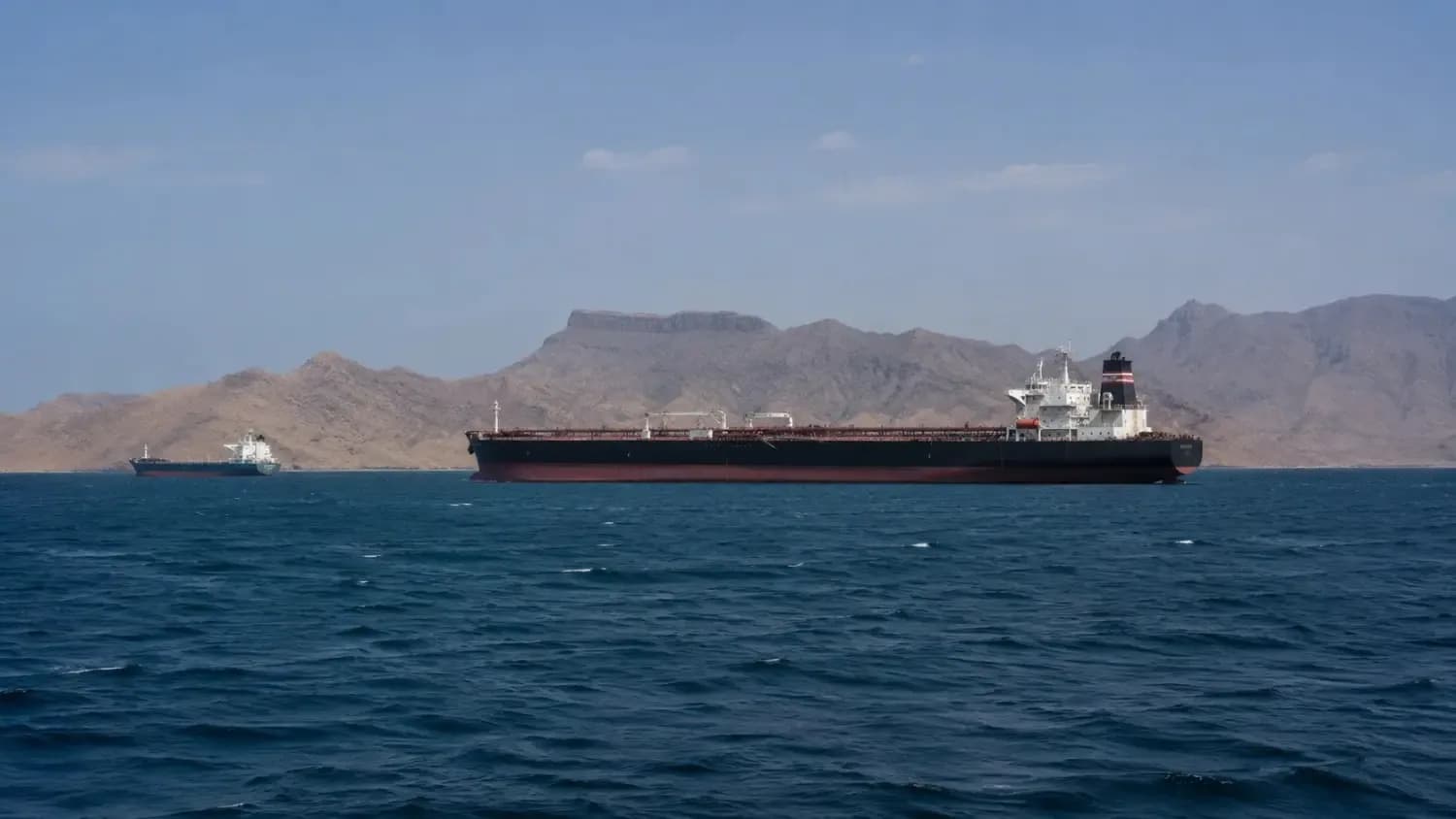
Houthi Red Sea Blockade Could Push Global Oil Prices Up
A successful Houthi attempt to restrict shipping through the Bab el-Mandeb Strait could delay Saudi oil exports, raise transport costs and push global crude and fuel prices higher. However, alternative shipping routes could prevent a complete supply shutdown.
Published: July 21, 2026 | By: Pehle Pakistan News Desk
Yemen’s Iran-aligned Houthi movement has announced a naval blockade against Saudi Arabia, increasing concern over the security of commercial shipping through the southern entrance of the Red Sea.
The announcement has brought renewed attention to the Bab el-Mandeb Strait, a narrow waterway connecting the Red Sea with the Gulf of Aden. It is an important route for crude oil, diesel, jet fuel and other goods moving between the Middle East, Asia and Europe.
The strait has not been confirmed as fully closed. However, analysts warn that an effective blockade could force Saudi oil tankers to take much longer routes around Africa, creating delays and increasing freight, insurance and fuel costs.
Oil prices rose by less than 1% following the Houthi announcement and traded near $89 per barrel. The limited initial reaction suggests traders are waiting to see whether the blockade will be enforced and how much shipping traffic will be affected.
Houthi Blockade: Key Market Risks
Area | Possible Impact |
|---|---|
Saudi oil exports | Shipments from Yanbu could face major delays. |
Asian refiners | Some crude deliveries could arrive around one month late. |
Oil prices | Analysts say crude could rise above $115 to $120 per barrel. |
Shipping | Longer routes would increase freight and fuel costs. |
Insurance | Higher security risks could increase war-risk premiums. |
European fuel markets | Diesel and jet fuel supplies could become more expensive. |
Global economy | Higher energy and transport costs could add to inflation. |
Why the Bab el-Mandeb Strait Is Important
The Bab el-Mandeb Strait lies between Yemen on the Arabian Peninsula and Djibouti and Eritrea in the Horn of Africa. It connects the Gulf of Aden and Arabian Sea with the Red Sea.
Ships using this route can continue north towards the Suez Canal, giving them a shorter connection between Asian and European markets.
The US Energy Information Administration classifies Bab el-Mandeb as an important global energy chokepoint. Oil and fuel shipments travelling between the Persian Gulf, the Suez Canal and Egypt’s SUMED pipeline may pass through the strait.
This means disruption at Bab el-Mandeb can affect more than one regional market. It can influence shipping schedules, tanker availability and energy prices across several continents.
The route has already experienced disruption in recent years. Since Houthi attacks on commercial vessels began in 2023, many shipping companies have avoided the Red Sea and sent ships around the Cape of Good Hope in southern Africa.
According to the EIA, oil flows through Bab el-Mandeb fell sharply after security risks caused vessels to avoid the region.
Saudi Oil Exports Face the Greatest Immediate Risk
The most immediate impact of an effective blockade would likely fall on Saudi crude and fuel exports from the Red Sea port of Yanbu.
Saudi Arabia has used Yanbu to maintain oil exports while transit through the Strait of Hormuz has faced disruption. Losing access to Bab el-Mandeb would weaken this alternative route and create another major obstacle for Saudi energy shipments.
Kpler data cited by Reuters showed that Saudi Arabia had shipped an average of more than 4.5 million barrels per day of crude and fuel from Yanbu since April. Around 70% of those shipments were sent to Asian markets.
Richard Bronze of Energy Aspects estimated that more than 3 million barrels per day of Saudi crude moving through the Red Sea towards Asia could be forced onto longer routes if Bab el-Mandeb becomes inaccessible.
This would not necessarily remove all those barrels from the global market. Saudi oil could still reach buyers through alternative ports, pipelines and shipping routes. The main challenge would be delivering it on time and without a steep increase in costs.
Asian Refiners Could Face Month-Long Delays
Asian refiners purchasing Saudi crude from Yanbu would be among the first customers affected by a closure.
Tankers unable to travel south through Bab el-Mandeb may have to sail north through the Red Sea or take a much longer route around Africa, depending on the vessel, destination and available infrastructure.
Matt Smith, commodity research director at Kpler, said some deliveries to Asian refiners could face delays of around one month if ships are forced to travel around the Cape of Good Hope.
The first month of disruption would likely be the most difficult, as refiners and shipping companies would need to adjust delivery schedules, secure replacement vessels and find other sources of crude where possible.
Refiners normally plan crude purchases and production schedules well in advance. A major delay can affect refinery operations, inventories and the availability of products such as petrol, diesel and aviation fuel.
Why Alternative Routes Cannot Solve Everything
Shipping companies have several ways to reduce the damage from a Red Sea closure, but each option has limitations.
Tankers can sail around the Cape of Good Hope. Saudi Arabia may also redirect some shipments through other export terminals or use available pipeline capacity.
However, these solutions take more time and can cost significantly more.
Fully loaded very large crude carriers, or VLCCs, cannot move easily through the Suez Canal without operational adjustments. Capacity on Egypt’s SUMED pipeline, which transports oil between the Red Sea and the Mediterranean, is also limited.
Main Available Workarounds
Rerouting tankers around southern Africa
Using available Saudi pipelines and alternative terminals
Adjusting refinery delivery schedules
Drawing oil from commercial inventories
Buying replacement crude from other suppliers
These measures could keep supplies moving and prevent an immediate loss of every affected barrel. But they would not remove the added sailing time, fuel consumption, congestion and higher freight expenses.
Workarounds could limit the supply impact, but they would not eliminate the economic cost of a blockade.
Oil Prices Could Rise Above $115
The immediate oil market reaction to the Houthi announcement remained relatively small, with crude trading at around $89 per barrel.
Market participants appeared to be balancing the Red Sea threat against hopes that Iran and the United States could resume negotiations.
However, analysts said prices could rise much more sharply if the Houthis successfully stop or severely restrict Saudi shipments.
John Paisie, president of Stratas Advisors, said crude could climb above $115 to $120 per barrel if Red Sea oil flows face serious disruption.
This is an analyst estimate, not a guaranteed price forecast. Actual prices would depend on the duration of the disruption, global inventories, alternative supplies and developments in the wider regional conflict.
Oil futures have already reached $126 per barrel during 2026, although they remained below the historic peak of about $147 recorded in 2008.
A short disruption may cause a temporary price increase. A prolonged and successfully enforced blockade would create a much greater risk because refiners would compete for supplies that can be delivered without long delays.
Freight and Insurance Costs Could Increase
Oil prices are only one part of the potential economic impact.
Shipping through a conflict-affected region carries higher security and financial risks. Insurers may charge shipowners larger war-risk premiums, while tankers travelling around Africa remain at sea for longer and consume more fuel.
Reuters reported that Red Sea war-risk insurance premiums increased from around 0.3% to 0.75% of a ship’s value following the blockade announcement.
For a high-value commercial vessel, that increase can add hundreds of thousands of dollars to the cost of a voyage.
Longer journeys also reduce tanker availability. A ship spending additional weeks on one delivery cannot immediately be used for another cargo, which can place further pressure on freight rates.
Some of these costs may eventually reach refiners, airlines, transport companies, manufacturers and consumers.
Diesel and Jet Fuel Markets Could Come Under Pressure
A closure would affect refined petroleum products as well as crude oil.
Europe receives diesel and jet fuel supplies from Asia and the Middle East, with many shipments normally travelling through Bab el-Mandeb and the Red Sea.
European diesel refining margins had already risen to a record above $65 per barrel and remained close to that level after the Houthi announcement.
Further disruption could make diesel and aviation fuel more expensive to deliver. This would create additional pressure for road transport companies, airlines and industries that depend heavily on fuel.
The final effect on consumers would vary by country. Domestic taxes, fuel reserves, exchange rates, refinery capacity and government policies would all influence local prices.
Wider Risks for the Global Economy
A prolonged closure of Bab el-Mandeb could have effects far beyond the energy market.
Higher crude prices increase production and transport costs. More expensive freight can raise the price of imported goods, while higher diesel and jet fuel costs can affect road transport, aviation and international trade.
Main Economic Risks
Higher inflation
Increased import costs
Pressure on energy-dependent industries
More expensive air and road transport
Slower international trade
Weaker economic growth
Paisie warned that a severe and prolonged disruption could undermine the wider global economy and, in an extreme scenario, contribute to a worldwide recession.
That outcome is not certain. It represents a risk if the blockade becomes effective, lasts for an extended period and combines with disruption at other major oil routes.
What Markets Will Watch Next
The Houthi announcement alone does not confirm that Bab el-Mandeb has been completely closed. The next stage will depend on whether the group attempts to enforce the blockade and how shipowners respond.
Oil traders and shipping companies will closely monitor:
Tanker movements near Bab el-Mandeb
Saudi exports from Yanbu
Any attacks or threats against commercial ships
Freight and insurance rates
Crude delivery times to Asian refiners
Diesel and jet fuel supplies to Europe
Diplomatic developments involving Iran and the United States
Evidence that ships are avoiding the route in larger numbers would likely increase market concern. A reduction in tensions or continued safe passage could limit the effect on oil prices.
Conclusion
A successful Houthi blockade of Bab el-Mandeb would create serious problems for Saudi oil exports, particularly shipments travelling from Yanbu to Asian buyers.
Crude oil could still reach global markets through pipelines, alternative ports and longer routes around Africa. These workarounds could prevent a complete loss of supply, but they would bring additional delays, freight expenses and insurance costs.
The scale of the impact will depend on whether the blockade is enforced and how long any disruption lasts.
A limited or short-lived interruption may cause temporary price pressure. A prolonged closure could push crude and refined fuel prices sharply higher, disrupt delivery schedules and add to existing strains on the global economy.
Sources
Reuters — Houthi Red Sea blockade would lift oil prices, but workarounds could limit impact
Reuters — Oil settles higher as hopes of renewed US-Iran negotiations offset Houthi threat
Reuters — Red Sea war insurance costs rise after Houthi blockade
US Energy Information Administration — World Oil Transit Chokepoints
US Energy Information Administration — Bab el-Mandeb as a strategic energy route
US Energy Information Administration — Fewer tankers transit the Red Sea
Article Details
Category: News
Published: 21 July 2026
Time: 7:30 pm
Updated: 21 July 2026 at 7:38 pm
Author: Usama Haider
More Stories