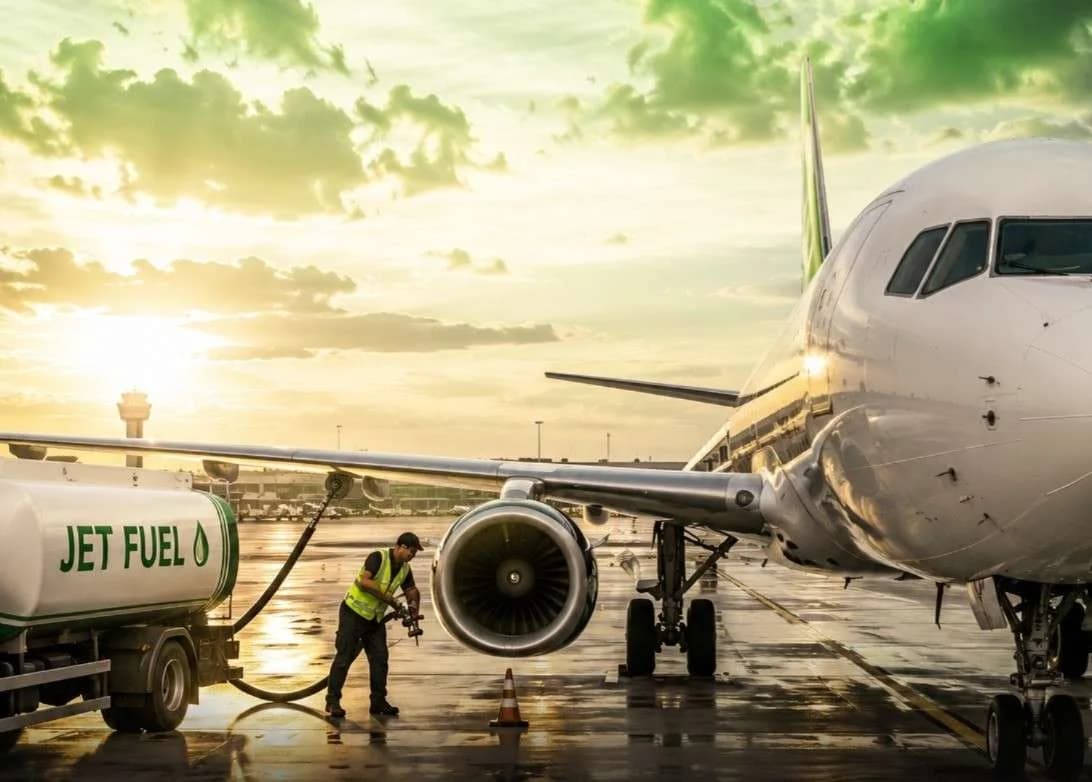
Jet Fuel Price Raised to Rs291.55 Per Litre in Pakistan
Pakistan's aviation sector is once again facing rising fuel costs as the government has increased the price of commercial jet fuel. The latest revision means jet fuel price raised to Rs291.55 per litre in Pakistan, following an increase of Rs40.35 per litre. The move comes as global crude oil prices continue to climb due to escalating geopolitical tensions in the Middle East.
For airlines, fuel is one of the largest operating expenses. When aviation fuel becomes more expensive, carriers often review their costs, and passengers may eventually see higher ticket prices for both domestic and international flights.
Why the Government Increased Jet Fuel Prices
According to aviation sources, the latest increase is linked to the sharp rise in international crude oil prices. Growing uncertainty in global energy markets, especially concerns surrounding the Middle East, has pushed fuel costs higher across many countries.
Pakistan imports a significant portion of its petroleum products, which means international oil price movements directly affect local fuel rates.
Several factors contributed to the latest increase:
Rising global crude oil prices
Geopolitical tensions in the Middle East
Concerns over disruptions to oil supply routes
Continued volatility in international energy markets
Higher import costs for petroleum products
In many cases, local fuel prices react quickly when international oil markets experience sudden changes, particularly during periods of political uncertainty.
Why This Matters for Air Travelers
For passengers, jet fuel prices may seem like an industry issue, but they can directly influence travel costs. Airlines carefully monitor fuel expenses because they account for a large share of operating budgets.
From experience, airlines usually avoid increasing fares immediately. However, if fuel prices remain elevated for a longer period, ticket prices often rise to help offset higher operating costs.
Whether someone is planning a family vacation, a business trip, or overseas travel, changes in aviation fuel prices can eventually affect the overall cost of flying.How Higher Jet Fuel Prices Could Affect Air Travelers
The latest increase in jet fuel prices is expected to put additional financial pressure on airlines. Since aviation fuel is one of the biggest operating costs for any airline, even a small increase per litre can significantly affect overall expenses when hundreds of flights operate every day.
Industry experts believe airlines will now review their operating budgets before deciding whether ticket prices need adjustment. While no immediate fare increase has been announced, passengers could see higher airfares if fuel prices remain elevated.
Why Airlines Closely Monitor Fuel Costs
Fuel is often one of the largest expenses for commercial airlines. When prices rise sharply, airlines have limited options to absorb the additional cost.
Airlines may respond by:
Reviewing domestic and international ticket prices
Adjusting promotional offers
Improving fuel efficiency
Managing operational expenses
Optimizing flight schedules where possible
One common mistake people make is assuming ticket prices depend only on demand. In reality, fuel costs, airport charges, exchange rates, and maintenance expenses also play a major role in airfare calculations.
Latest Jet Fuel Price Update
Category | Latest Figure |
|---|---|
New Jet Fuel Price | Rs291.55 per litre |
Latest Increase | Rs40.35 per litre |
Total Increase in Two Weeks | Rs53.58 per litre |
Main Driver | Higher global crude oil prices |
What Passengers Should Expect
Travelers planning flights during the coming weeks should keep an eye on airfare trends, especially for routes with high fuel consumption.
Potential impacts include:
Higher domestic airfares
Increased international ticket prices
Costlier business travel
More expensive holiday trips
Higher air cargo transportation costs
From experience, travelers on forums like Quora often recommend booking flights early during periods of rising fuel prices, as promotional fares may become less common if airlines revise their pricing.
The latest fuel adjustment does not automatically mean every airline will increase fares. However, if international oil prices remain high, the aviation industry may find it difficult to absorb the additional costs for long.Why Fuel Costs Matter for Pakistan’s Aviation Industry
Jet fuel is one of the largest operating expenses for every airline. Whether a flight is domestic or international, fuel accounts for a significant share of the total cost. That is why even a moderate increase in aviation fuel prices can affect airline profitability and future business decisions.
The latest increase comes at a time when Pakistan’s aviation sector is already dealing with higher operating costs. Airlines must carefully manage expenses while maintaining schedules, safety standards, and customer service.
Airlines Are Already Facing Multiple Cost Pressures
Fuel is only one part of an airline’s budget. Carriers are also managing several other financial challenges that continue to affect the industry.
These include:
Currency depreciation
Aircraft maintenance expenses
Higher prices of imported spare parts
Airport and navigation charges
Insurance and operational costs
When these costs rise together, airlines often review their financial strategies before making pricing decisions.
How Airlines May Respond
Instead of reacting immediately, airlines usually evaluate market conditions before changing fares. Their goal is to remain competitive while recovering higher operating expenses.
Possible responses include:
Reviewing ticket pricing
Improving fuel efficiency
Optimizing flight schedules
Reducing unnecessary operating costs
Offering limited promotional fares
In many cases, airlines first try to improve operational efficiency before increasing ticket prices. This approach helps retain passengers while managing financial pressure.
Aviation Industry Faces a Delicate Balance
Pakistan's aviation market has become increasingly competitive, with travelers comparing fares across multiple airlines before booking tickets. As a result, carriers cannot easily pass every additional expense directly to customers.
Customer discussions on platforms like Quora often show that travelers are willing to pay slightly higher fares if airlines maintain reliable schedules, safety standards, and quality service. However, frequent price increases may encourage passengers to postpone travel or look for lower-cost alternatives.
From experience, fuel price volatility remains one of the biggest uncertainties for airlines worldwide. Companies that effectively manage operating costs are generally better positioned to handle sudden changes in international oil prices.
The latest increase in jet fuel prices highlights how closely Pakistan’s aviation sector is connected to global energy markets, where international events can quickly influence domestic airline operations.What Rising Oil Prices Mean for Pakistan’s Economy and Travelers
The increase in aviation fuel prices is not only an airline issue. It also reflects the broader impact of global oil market movements on Pakistan’s economy. Since the country imports a large share of its petroleum products, changes in international crude oil prices can influence transportation, business costs, and consumer spending.
The latest increase follows continued volatility in global energy markets, where geopolitical tensions in the Middle East have raised concerns about possible disruptions to oil supplies through key shipping routes.
How Global Oil Prices Affect Pakistan
When international crude oil prices rise, the effects are felt across several sectors of the economy.
Major areas impacted include:
Aviation and airline operations
Tourism and hospitality
Air cargo and logistics
Import and export businesses
Transportation-related services
For businesses that rely on air travel or air freight, higher fuel prices can increase operating costs and reduce profit margins if expenses cannot be passed on to customers.
Economic Impact at a Glance
Area | Possible Impact |
|---|---|
Airlines | Higher operating costs |
Air Travelers | Potential fare increases |
Tourism | Increased travel expenses |
Cargo Services | Higher shipping costs |
Businesses | Rising logistics expenses |
What Travelers and Businesses Should Watch
Passengers planning future trips should monitor airfare trends, especially if global oil prices remain unstable. Businesses that depend on regular air travel may also need to adjust travel budgets in the coming months.
One common mistake people make is assuming fuel price increases affect only airlines. In reality, higher aviation costs can influence tourism, business travel, cargo transportation, and even the prices of imported goods that rely on air freight.
Customer discussions on Quora often suggest that travelers book flights in advance and compare fares across multiple airlines during periods of rising fuel prices. While this may not always guarantee the lowest fare, early planning often provides more choices and better pricing.
From experience, periods of geopolitical uncertainty usually create short-term volatility in energy markets. If crude oil prices stabilize, pressure on aviation fuel prices may also ease. However, prolonged uncertainty could keep operating costs elevated for airlines and affect travel expenses across Pakistan.What Happens Next for Pakistan’s Aviation Sector?
The future of Pakistan’s aviation industry will largely depend on global oil prices and geopolitical developments. If international crude oil prices continue to rise, airlines may find it increasingly difficult to absorb higher fuel costs without adjusting ticket prices.
At the same time, any improvement in global energy markets or easing of regional tensions could help stabilize aviation fuel prices. That would provide relief to both airlines and passengers.
What Airlines and Travelers Can Expect
Airlines are expected to monitor market conditions before making major pricing decisions. Their focus will remain on balancing operating costs while keeping air travel affordable.
Travelers should consider the following:
Book flights early when possible.
Compare fares across different airlines.
Watch for seasonal promotions.
Stay updated on fuel price announcements.
Plan business and holiday travel in advance.
From experience, flexible travel dates often help passengers find better fares, especially during periods of market uncertainty.
Customer Testimonial Highlights
Frequent travelers in Pakistan often share similar views on travel forums and Quora. Many say they understand that airlines face higher operating costs, but they also expect transparent pricing and reliable service in return.
Some travelers mention that they prefer booking tickets several weeks in advance to avoid sudden fare increases, while business travelers often emphasize the importance of consistent flight schedules over small price differences.
These experiences show that customers value both affordability and reliability when choosing an airline.
Conclusion
The government's decision to raise the jet fuel price raised to Rs291.55 per litre in Pakistan reflects the ongoing impact of rising global crude oil prices and geopolitical uncertainty in the Middle East.
With aviation fuel being one of the largest expenses for airlines, the latest increase is expected to place additional pressure on operating costs. Although airlines have not yet announced widespread fare revisions, passengers may experience higher domestic and international ticket prices if fuel costs remain elevated.
Going forward, the direction of airfares will depend on international oil market trends, regional stability, and how effectively airlines manage their operating expenses. For travelers, staying informed and planning ahead will remain the best strategy in an unpredictable aviation market.
FAQ.s
Did jet fuel prices increase?
Yes, Pakistan increased commercial jet fuel prices by Rs40.35 per litre, taking the rate to Rs291.55 per litre due to higher global crude oil prices.
Is the petrol price going to decrease in Pakistan?
No, petrol prices recently increased in Pakistan. Future changes depend on global oil prices, exchange rates, and government pricing decisions.
How much does 1 kg of jet fuel cost?
The global wholesale price of Jet A-1 fuel is around $1.10 to $1.15 per kilogram, though prices vary by country, supplier, and market conditions.
How many litres is 1 kg of jet fuel?
On average, 1 kilogram of jet fuel equals about 1.25 litres, based on the standard fuel density used in the aviation industry.
Is jet fuel cheaper than petrol?
Generally, yes. Jet fuel is often cheaper to refine than petrol, but taxes, transportation costs, and regional demand can affect final prices.
Will jet fuel prices increase further?
Jet fuel prices may rise further if global crude oil prices remain high or geopolitical tensions continue to disrupt energy markets.
How much is 1 litre of fuel now?
Fuel prices vary by country. In Pakistan, official petrol and diesel prices are revised periodically based on international oil market trends.
What is the petrol price in Punjab today?
If referring to Punjab, Pakistan, check the latest government notification. If referring to Punjab, India, prices vary by city and change daily.
How much is 1 litre of jet fuel?
Pakistan's commercial jet fuel price is currently Rs291.55 per litre, while international wholesale prices vary by region and market conditions.
What happens if a 747 runs out of fuel?
A Boeing 747 does not fall immediately. It glides toward a suitable airport while pilots follow emergency procedures to attempt a safe landing.
Can jet fuel be used in cars?
Jet fuel should not be used in petrol cars. Some diesel engines can run on it temporarily, but it may damage the fuel system without modifications.
Article Details
Category: Industry
Published:
Updated:
Author: Rabia
More Stories