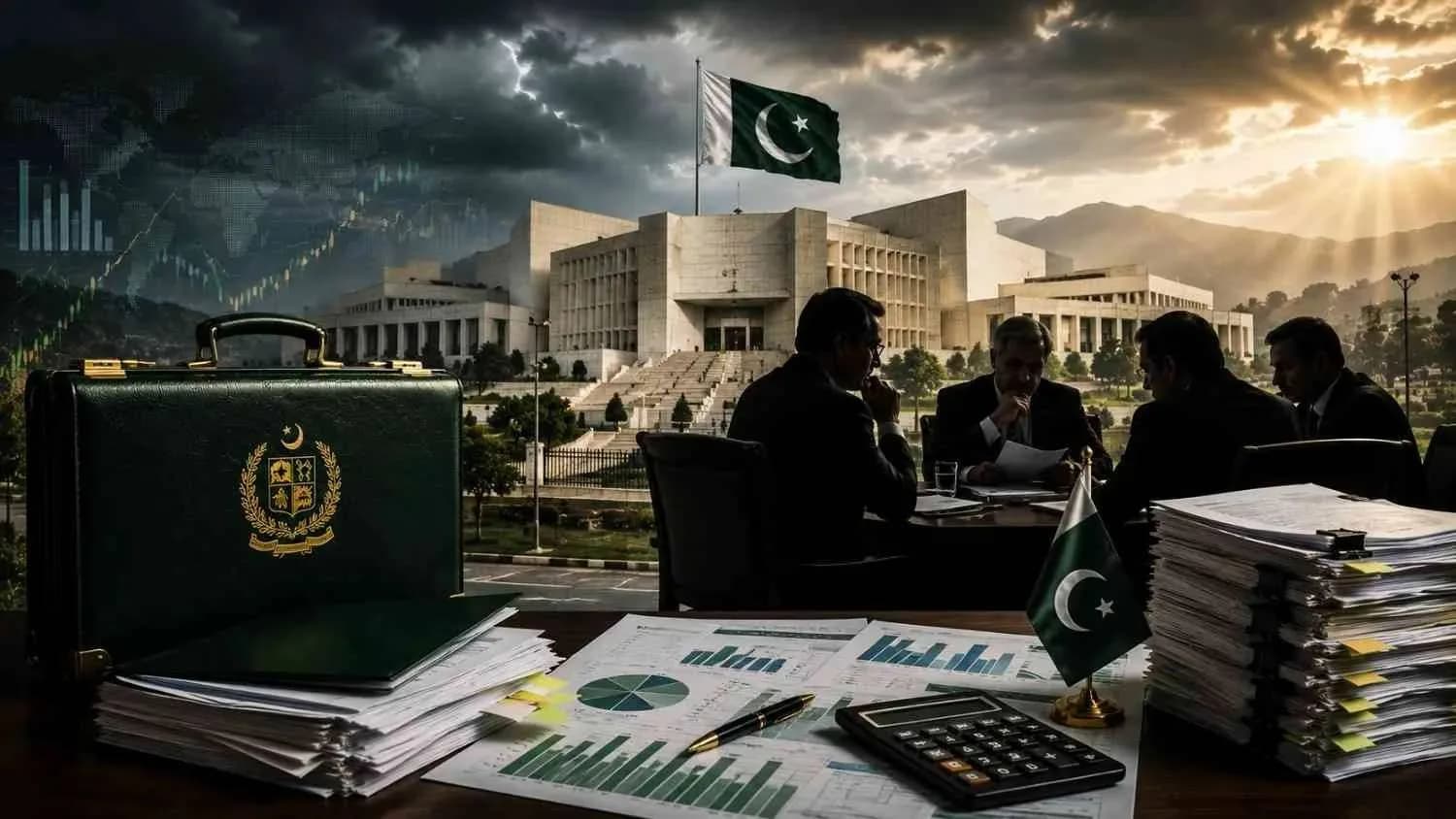
The Pakistan Budget 2026-27 is receiving strong attention as reports suggest that the federal government may delay its presentation from June 5 to June 10. While a few days’ delay may appear minor, budget timelines often indicate that important decisions are still being finalized.
For citizens, businesses, and investors, the upcoming budget is more than a government document. It can influence taxes, salaries, inflation, development projects, energy costs, and overall economic confidence.
From experience, markets usually react more to uncertainty than to the final announcement itself. A short delay can create questions, but it can also allow policymakers to review important financial decisions before presenting them.
Why Pakistan Budget 2026-27 May Be Delayed Until June 10
The possible delay appears connected with several economic discussions, including fiscal targets, revenue planning, and international commitments. Preparing a national budget requires balancing public expectations with financial limitations.
IMF Discussions and Fiscal Planning
One major factor behind the delay is the government’s ongoing engagement with the International Monetary Fund (IMF). Budget decisions often need to align with agreed economic targets.
Key areas under discussion may include:
Tax collection targets
Budget deficit management
Energy sector reforms
Public spending controls
Debt management strategies
One common mistake people make is assuming IMF-related discussions only affect government officials. In reality, these decisions can influence household expenses, business costs, and investment conditions.
For example, a change in fuel taxes can affect transportation costs, while adjustments in sales tax can impact everyday purchases.
Development Spending and Government Priorities
Another important area is the Public Sector Development Programme (PSDP). Ministries usually request funding for infrastructure, education, healthcare, and public projects.
However, limited financial resources mean the government must make difficult choices.
Government Goal | Main Challenge |
|---|---|
Increase development spending | Limited fiscal space |
Provide tax relief | Revenue requirements |
Support businesses | Budget deficit concerns |
Control inflation | Maintaining growth |
Expand welfare programs | Debt obligations |
Expected Impact of Budget 2026-27 on Citizens and Businesses
The final budget will likely receive attention from different groups because each sector has different expectations.
What Salaried Employees and Families Expect
Many employees are hoping for measures that improve purchasing power, especially after inflation pressures.
Possible expectations include:
Higher income tax relief
Salary adjustments
Pension increases
Better public services
Inflation control measures
However, salary increases alone do not always solve financial pressure. If prices continue rising, real purchasing power may remain under pressure.
Business Community Expectations
Businesses usually focus on stability rather than short-term announcements. Investors prefer predictable policies because they help companies plan expansion, hiring, and investment.
Companies are watching for:
Easier tax procedures
Faster refunds
Export incentives
Energy reforms
Improved financing access
Pros and Cons of Budget Delay
Pros:
More time for accurate financial planning
Better coordination with economic partners
Reduced chances of immediate revisions
Improved policy preparation
Cons:
Short-term market uncertainty
Delayed business planning
Investor hesitation
Increased speculation about taxes
Pakistan Budget Process Compared With Other Countries
Budget adjustments are not unusual globally. Many countries revise timelines when economic conditions require additional review.
Country | Budget Approach | Major Focus |
|---|---|---|
Pakistan | Fiscal reform-based planning | IMF coordination and revenue growth |
United States | Congressional budget process | Federal spending and deficit management |
India | Annual financial statement | Growth and infrastructure investment |
Bangladesh | Development-focused budget | Export growth and economic stability |
In countries like the United States, businesses also closely watch government budget decisions because taxation and spending policies affect investment planning. The same principle applies to Pakistan’s economy.
Customer and Business Experience: What People Are Watching
Public discussions on platforms like Quora and financial communities often show a common concern: people want clarity.
Small business owners usually want simpler taxation. Exporters want competitive policies. Employees want relief from rising costs.
Real-world concerns include:
“Will taxes increase?”
“Will salaries improve?”
“Will business costs become easier to manage?”
“Will investors gain confidence?”
From experience, successful budgets are not judged only by announcements. Their real impact depends on implementation throughout the fiscal year.
What Happens Next Before Budget Announcement?
Before the final presentation, important steps are expected:
Confirmation of the official budget date
Completion of economic discussions
Final tax proposals
Salary and pension decisions
Development spending approvals
The coming weeks will provide a clearer picture of Pakistan’s economic direction for the next fiscal year.
Stay Updated With Pakistan Budget 2026-27 Developments
The Pakistan Budget 2026-27 will affect households, businesses, and investors across the country. Staying informed about tax changes, economic policies, and government announcements can help individuals make better financial decisions.
Follow Pehle Pakistan for reliable updates, economic analysis, and practical insights about Pakistan’s latest financial developments.
Frequently Asked Questions About Pakistan Budget 2026-27
1. Why is the Pakistan Budget 2026-27 delayed?
The possible delay is linked to ongoing discussions about fiscal targets, revenue planning, and economic policy decisions.
2. When will Pakistan Budget 2026-27 be presented?
Reports suggest that the budget may be presented on June 10 instead of the earlier expected date of June 5.
3. How does the budget affect ordinary citizens?
The budget can influence taxes, salaries, pensions, inflation, utility costs, and government services.
4. What role does the IMF play in Pakistan’s budget?
The IMF does not prepare Pakistan’s budget, but its economic targets and reform recommendations can influence fiscal policies.
5. Which sectors may benefit from Budget 2026-27?
Export industries, infrastructure projects, energy initiatives, and businesses receiving policy support may benefit depending on final measures.
6. Will government employees receive salary increases?
Salary and pension adjustments are expected areas of discussion, but final decisions depend on the official budget announcement.
7. Why do investors follow Pakistan’s budget announcements?
Investors analyze tax policies, government spending, and economic reforms because these factors can affect markets and business decisions.
Article Details
Category: Business
Published:
Updated:
Author: Fiza
More Stories