Quick Answer
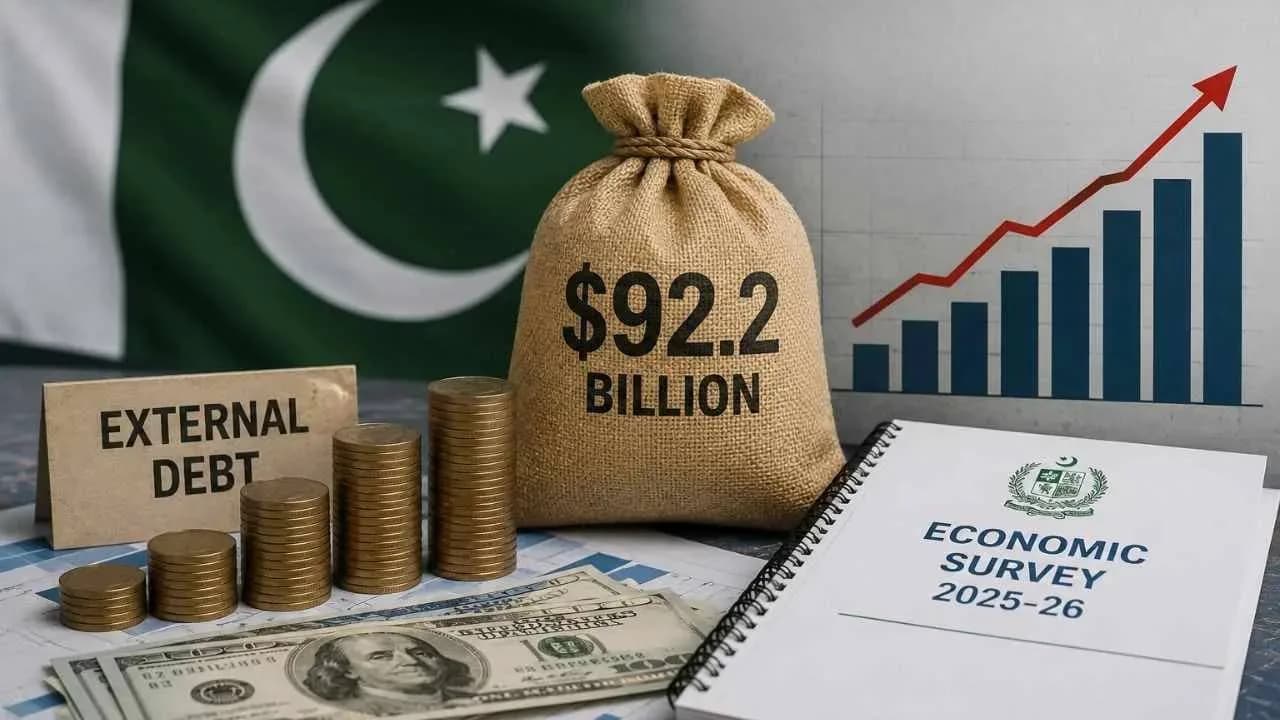
Pakistan Govt External Debt Hits $92.2B by March 2026 according to the Pakistan Economic Survey 2025-26. Most of this debt comes from long-term borrowing through multilateral lenders such as the World Bank and Asian Development Bank. While the figure is significant, economists believe exports, fiscal reforms, and steady GDP growth will determine whether the debt remains sustainable.
Pakistan Govt External Debt Hits $92.2B by March 2026
The Economic Survey shows Pakistan's external public debt reached $92.2 billion by March 2026. This reflects government borrowing used for development projects, budget support, and foreign exchange requirements rather than a single source of financing.
From experience, large debt numbers often create concern, but investors usually examine repayment capacity instead of the headline figure. A homeowner in the United States may carry a large mortgage while maintaining strong finances because income covers repayments. National economies work in a similar way.
External Debt Breakdown
Source | Amount | Share |
|---|---|---|
Multilateral Institutions | $42.48B | 46% |
Bilateral Loans | $19B+ | 20% |
IMF | $9.89B | 11% |
Eurobonds & Sukuk | $6.3B | 7% |
Commercial Banks | $6.32B | 7% |
Long-term debt totals $68.41 billion, while short-term liabilities stand at $13.85 billion. This structure reduces immediate repayment pressure but extends financial commitments over future years.
What the Economic Survey Means for Pakistan
Pakistan's economy is showing gradual improvement alongside higher debt levels. The Economic Survey estimates nominal GDP at about $452 billion with economic growth of 3.7%. Per capital income reached nearly $1,901, while lower inflation allowed the policy rate to decline to 11.5%.
One common mistake people make is assuming all borrowing is harmful. In reality, debt can support economic growth when invested in infrastructure, manufacturing, and exports. Discussions frequently shared by finance professionals on Quora highlight that sustainable borrowing depends more on economic productivity than debt size alone.
Economic Snapshot
Indicator | FY 2025-26 |
|---|---|
Nominal GDP | Around $452B |
GDP Growth | 3.7% |
Per Capita Income | $1,901 |
Policy Rate | 11.5% |
Comparison with Other Emerging Markets
Country | Main Funding Source | Biggest Challenge |
|---|---|---|
Pakistan | Multilateral Loans | Export Growth |
Bangladesh | Development Finance | Import Costs |
Egypt | IMF Programs | Currency Stability |
Sri Lanka | Debt Restructuring | Investor Confidence |
Compared with similar economies, Pakistan relies more on concessional financing, which generally carries lower interest costs but requires continued structural reforms.
Pros and Cons
Pros
Lower-cost financing through multilateral lenders
Long-term borrowing reduces short-term repayment pressure
Supports infrastructure and development projects
Improves foreign exchange liquidity
Cons
Higher debt servicing obligations
Dependence on external financing
Currency depreciation increases repayment costs
Reform conditions linked to international lending
Customer Experience and Expert Views
Financial analysts generally agree that debt should be evaluated alongside growth indicators.
A South Asia investment specialist noted that consistent reforms often matter more than debt size.
An economist observed that stronger exports and tax collection are the real drivers of long-term debt sustainability.
Call to Action
Understanding Pakistan's economic indicators helps businesses, investors, and readers make informed decisions. Follow PehlePakistan.pk for verified updates on the Economy Survey, government finances, and the latest developments shaping Pakistan's economic future.
Frequently Asked Questions
How much debt does Pakistan have in 2026?
Pakistan's total federal debt is Rs. 81.935 trillion, while external public debt reached about $92.2 billion by March 2026.
How much is Pakistan in debt right now?
Federal debt stands at Rs. 81.935 trillion, equal to roughly 70% of GDP, according to official financial data.
What is Pakistan's external debt?
Pakistan's total external debt and liabilities are around $138 billion, while government external debt is approximately $92.2 billion.
What is Pakistan's domestic debt?
Domestic debt totals Rs. 58.107 trillion and accounts for nearly two-thirds of total public debt.
What is Pakistan's GDP in 2026?
Pakistan's nominal GDP is estimated at around $452 billion, with economic growth reaching 3.7%.
Why is Pakistan borrowing from international lenders?
The government borrows to finance development projects, strengthen reserves, and meet external financing needs while supporting economic reforms.
Is Pakistan's external debt sustainable?
Experts believe debt remains manageable if exports, tax revenue, and economic growth continue improving alongside fiscal discipline.
(Source. ARY News)
Topics in this story
Article Details
Category: Industry
Published:
Updated:
Author: Fiza
More Stories