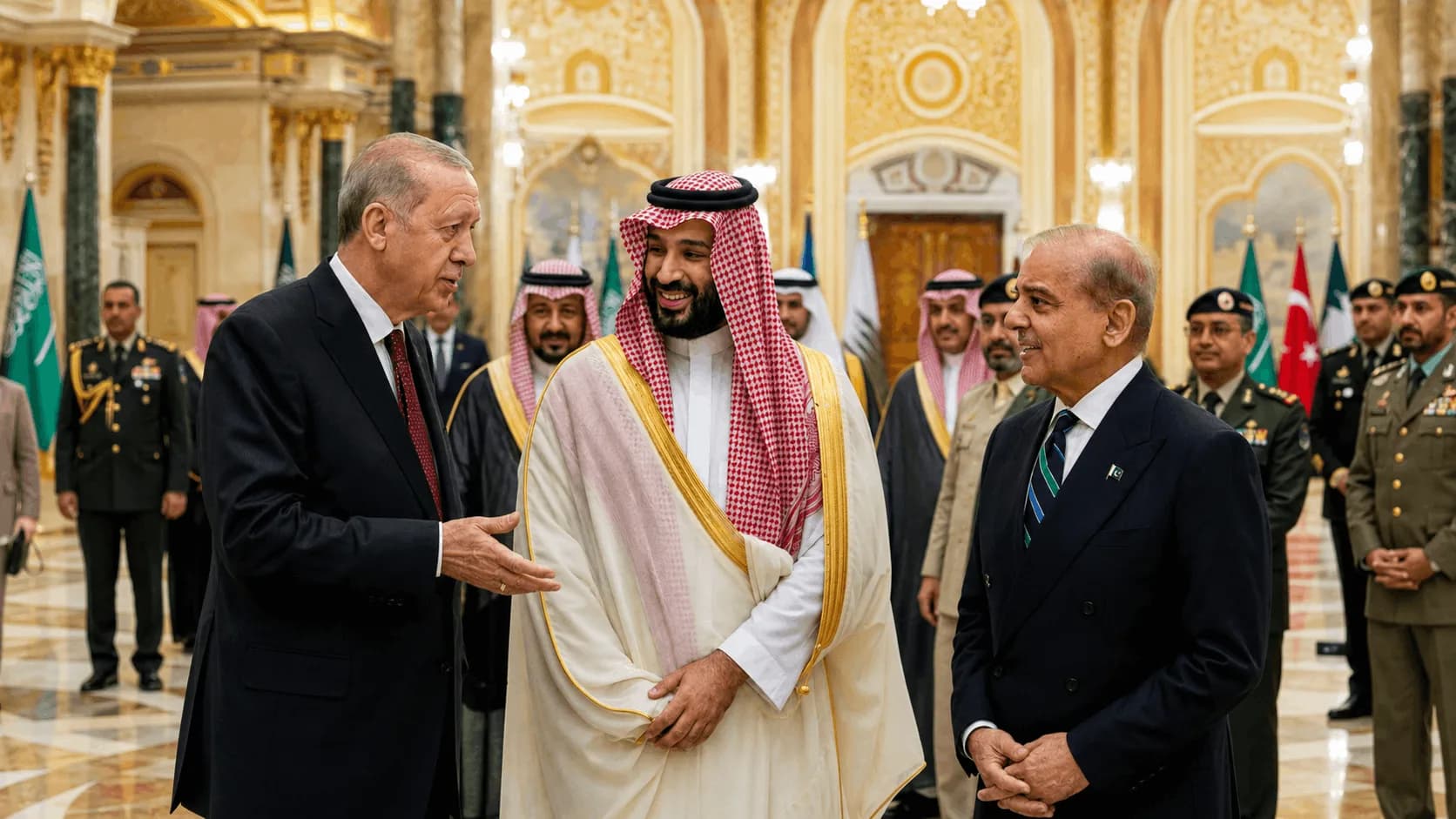
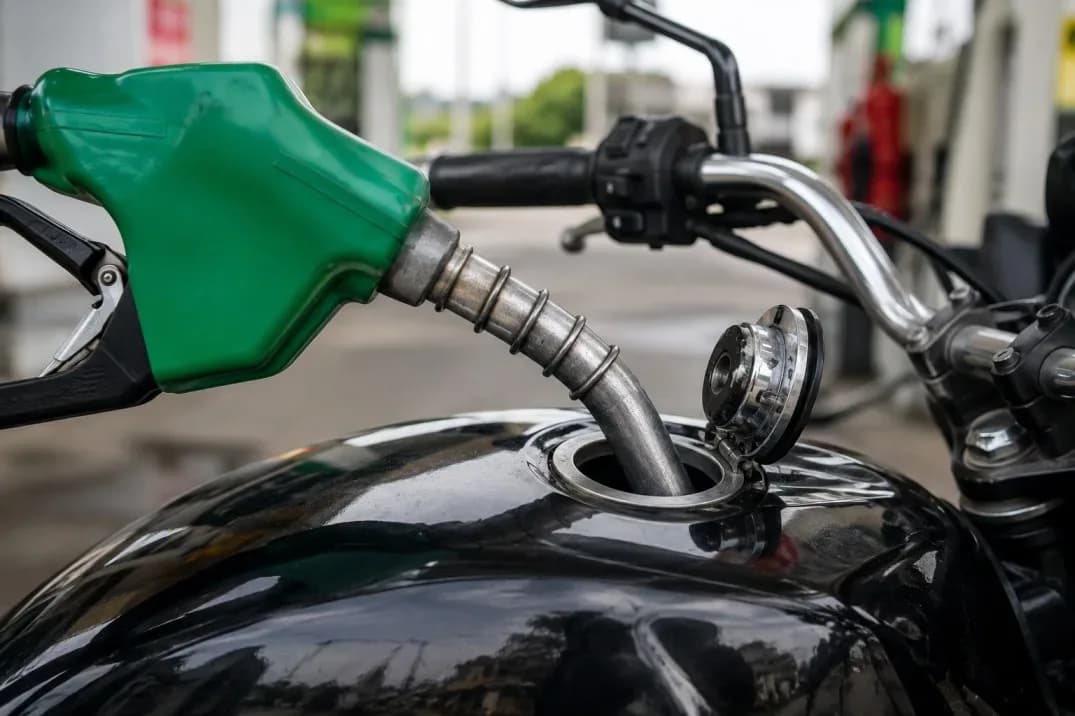
The government has officially announced the end of the temporary fuel subsidy program for motorcyclists and transport operators after the relief period expired. The initiative was introduced in April 2026 to help millions of Pakistanis cope with rising petrol and diesel prices caused by instability in global energy markets. While the program provided short-term financial relief, authorities say it was never intended to become a permanent policy.
For many households, fuel prices directly affect monthly budgets. Motorcycles remain the most common mode of transport in Pakistan, making any change in petrol costs a significant concern for commuters, delivery riders, and small business owners. From experience, temporary subsidy programs can provide immediate relief, but governments often face difficult decisions when balancing public support with long-term financial stability.
Why the Government Ended the Fuel Subsidy Program
The fuel subsidy was introduced during a period of unusually high international oil prices. Registered motorcycle owners received support on a limited quantity of petrol each month, while public transport operators and goods transporters were also included to help control transport fares and logistics costs.
Officials have explained that the scheme has now ended because its approved duration has been completed. Continuing such large-scale subsidies would increase pressure on government finances, particularly at a time when Pakistan is pursuing broader economic reforms.
Key Facts at a Glance
Detail | Information |
|---|---|
Program Launch | April 2026 |
Main Beneficiaries | Motorcyclists and transport operators |
Purpose | Temporary fuel price relief |
Current Status | Subsidy officially ended |
Reason | Relief period completed |
One common mistake people make is assuming every subsidy becomes permanent. In reality, many governments worldwide introduce temporary financial support only during exceptional economic conditions. Similar measures have also been used in countries like the United States during periods of energy price volatility.
What the Decision Means for Pakistan
With the subsidy ending, motorists and transport operators will once again pay the full market price for fuel. This may increase transportation costs if petroleum prices rise in the coming months.
Industry experts believe transport companies will closely monitor future fuel price announcements before deciding whether fare adjustments are necessary. However, any increase will depend on both domestic pricing policies and international crude oil markets.
Expected Impact
Motorcyclists will pay full petrol prices.
Transport operators may experience higher operating expenses.
Goods transportation costs could increase.
Public transport fares may remain stable unless fuel`prices rise further.
Consumers should follow official fuel price updates rather than social media rumours.
Comparison: Temporary Subsidy vs Long-Term Transport Reforms
Temporary Subsidy | Long-Term Reforms |
|---|---|
Provides immediate financial relief | Creates sustainable economic benefits |
Helps during short-term crises | Improves transport infrastructure |
Requires continuous government funding | Focuses on lasting efficiency |
Ends after approved duration | Offers long-term policy improvements |
Many economists believe investing in modern public transport and fuel-efficient systems provides greater long-term value than extending temporary subsidy programs indefinitely.
Pros and Cons of Ending the Subsidy
Pros | Cons |
|---|---|
Reduces pressure on government finances | Higher fuel costs for commuters |
Supports long-term fiscal reforms | Increased expenses for transport operators |
Encourages sustainable policy planning | Possible impact on household budgets |
Allows investment in public transport | Concerns over future fare increases |
Public Response and Future Outlook
Public reaction has been mixed. Some commuters understand the government's financial constraints, while others worry about rising living costs. Online discussions show that many citizens support targeted welfare programs but also want greater investment in affordable public transport.
The government's next challenge will be introducing sustainable transport policies that reduce fuel dependency while protecting lower-income families from future price shocks.
Frequently Asked Questions
1. Why did the government end the fuel subsidy program?
The subsidy ended because the approved temporary relief period expired, and the government decided not to extend it.
2. Who benefited from the fuel subsidy?
The program supported registered motorcyclists, public transport operators, and goods transporters.
3. Will petrol prices increase because the subsidy has ended?
The subsidy ending means beneficiaries will now pay the full market price. Future fuel prices will depend on official government announcements.
4. Will public transport fares increase?
Not necessarily. Fare changes will depend on future fuel price movements and decisions by transport operators.
5. Why was the subsidy introduced?
It was launched in April 2026 to reduce the impact of rising global oil prices on commuters and transport services.
6. What long-term solutions is the government considering?
Officials have indicated they will focus on public transport improvements, energy efficiency, and broader economic reforms instead of temporary fuel subsidies.
7. Where can I find verified fuel price updates?
You can follow official government announcements and trusted news platforms like PehlePakistan.pk for accurate and timely updates.
Article Details
Category: News
Published:
Updated:
Author: Fiza
More Stories