Quick Answer
The Gwadar coast hit by massive oil spill incident has affected around 20 kilometres of western shoreline, creating serious concerns for marine life, fishermen, and the coastal ecosystem. Thick oil deposits have polluted beaches, while dead sea turtles have raised environmental concerns. Authorities are investigating the cause and beginning cleanup operations.
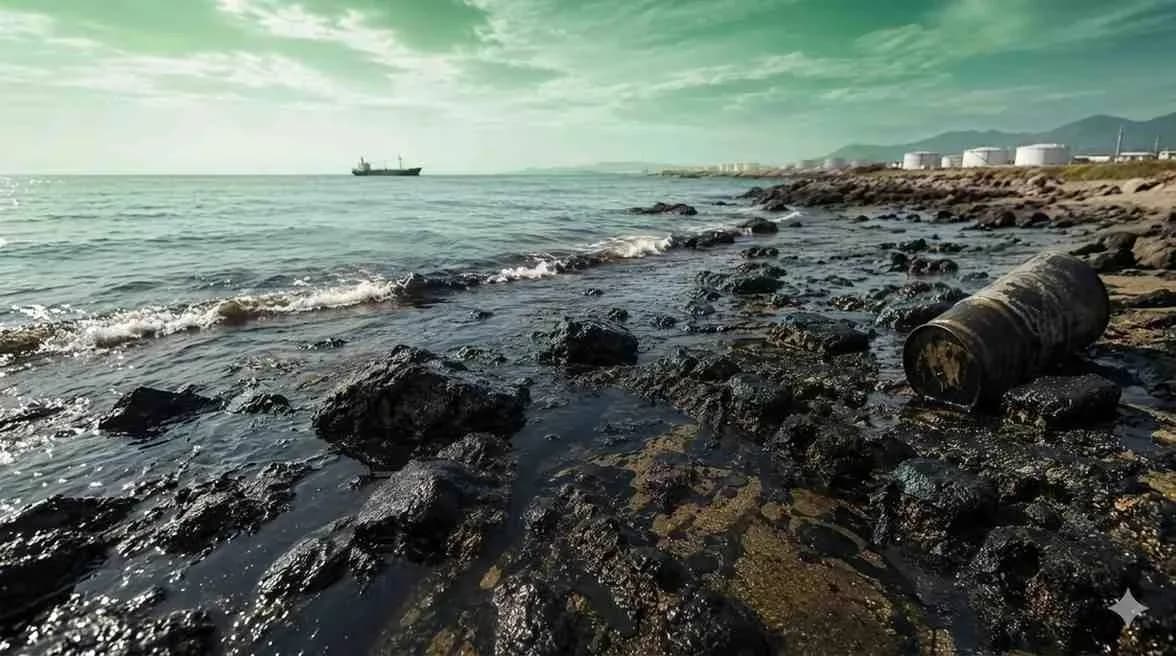
A major oil contamination incident has affected Gwadar’s western coastline, creating a serious environmental challenge for Pakistan’s coastal region. The pollution has spread across approximately 20 kilometres of shoreline, covering beaches with layers of crude oil.
The incident has created concern among local residents, fishermen, and environmental experts because Gwadar’s coastline supports a sensitive marine ecosystem. Several marine animals, including sea turtles, have reportedly been found dead in affected areas, raising questions about the long-term impact on biodiversity.
According to preliminary assessments, authorities suspect that the oil may have originated from maritime activity in the Arabian Sea. Possible sources include a cargo vessel or tanker operating along international shipping routes. Strong winds and sea currents may have carried the oil toward Gwadar’s beaches.
The Gwadar administration has started immediate response measures. Teams from the Gwadar Development Authority and municipal workers are working to remove oil deposits and assess environmental damage.
From experience with coastal pollution incidents worldwide, quick action is important because oil spreads rapidly and becomes harder to remove over time. However, cleanup alone is not enough. Continuous monitoring is necessary to understand the full environmental impact.
Key concerns include:
Damage to marine habitats
Threats to sea turtles and other wildlife
Pollution of fishing areas
Possible economic losses for coastal communities
Environmental Impact of Gwadar Oil Spill on Marine Life and Fishermen
The Makran coastline is one of Pakistan’s most valuable marine regions. It supports fish populations, coastal wildlife, and thousands of families who depend on fishing for their livelihood.
Oil pollution can create serious problems because crude oil affects both visible and hidden parts of marine ecosystems. It can contaminate water, damage breeding grounds, and reduce food sources for marine species.
The discovery of dead sea turtles has increased concerns among environmental specialists. Turtles are especially vulnerable because they depend on coastal areas for feeding and migration.
Local fishermen are also facing uncertainty. Many families in Gwadar depend on daily fishing activities, and contaminated waters may affect fish availability and equipment.
Common concerns among fishermen include:
Reduced fish populations
Damage to fishing nets and boats
Lower daily income
Long-term changes in fishing patterns
A similar pattern has been seen in international oil spill cases, including incidents in the United States where coastal communities faced years of recovery challenges after marine contamination.
The situation highlights the importance of stronger maritime safety measures. Preventing pollution before it reaches the coastline is often more effective than dealing with environmental damage afterward.
Government Response, Cleanup Efforts, and Future Prevention
Following reports of the contamination, Gwadar Deputy Commissioner Naqeebullah Kakar directed authorities to begin immediate response operations. The Gwadar Development Authority and municipal teams are working to remove oil from affected beaches.
Authorities are also investigating the exact source of the spill to determine responsibility. Identifying the source is important because it helps prevent similar incidents in the future.
Area | Current Situation | Required Action |
|---|---|---|
Beaches | Covered with oil deposits | Immediate cleanup |
Marine Life | Wildlife affected | Environmental monitoring |
Fishing Community | Economic concerns | Support and assessment |
Shipping Activity | Possible source | Stronger regulation |
Pros and Cons of the Response Approach
Pros:
Quick government attention toward the issue
Immediate cleanup activities started
Environmental assessment initiated
Public awareness increased
Cons:
Cleanup may take significant time
Marine damage may continue after visible oil removal
Fishermen may face long-term financial challenges
Moving forward, Pakistan needs stronger coastal protection strategies, including regular marine surveys, improved shipping monitoring, and emergency response systems.
Protecting Gwadar’s coastline is not only about preserving nature. It is also about protecting the livelihoods of communities that depend on the sea every day. A balanced approach between development, shipping activity, and environmental protection is essential for the future of Pakistan’s coastal regions.
Customer Experience, Community Concerns, and Real Impact of Gwadar Oil Spill
How Gwadar Fishermen Are Affected by Coastal Pollution
The Gwadar oil spill has created uncertainty among local fishing communities that depend heavily on the Arabian Sea for their daily income. For many fishermen, the coastline is not just an environmental resource but the foundation of their family’s livelihood.
When oil reaches fishing areas, the impact is not limited to water pollution. Fishermen may face reduced fish availability, damaged equipment, and difficulty continuing their normal activities. Even after cleanup begins, communities often remain concerned because marine recovery can take months or years.
Real-world experiences from coastal communities in countries like the United States show that oil spills can create long-term economic challenges. After major incidents, fishermen often struggle with reduced income, customer concerns about seafood safety, and increased operational costs.
A similar situation can develop in Gwadar if contamination continues.
Local concerns include:
Declining fish populations
Possible contamination of seafood
Damage to fishing tools and boats
Loss of daily earnings
Uncertainty about future fishing activities
One common mistake people make is looking only at the visible oil on beaches. The bigger challenge is the hidden impact under the water, where marine ecosystems may take longer to recover.
From experience, environmental recovery requires cooperation between authorities, scientists, and local communities. Fishermen are often the first people to notice changes in marine conditions, so their feedback should be included in recovery planning.
Gwadar Oil Spill Prevention: What Pakistan Can Learn
The Gwadar incident highlights the need for stronger marine protection systems along Pakistan’s coastline. As shipping activity increases in the Arabian Sea, environmental safety measures become more important.
Countries with busy maritime routes usually rely on strict monitoring systems, emergency response teams, and regular inspections to reduce pollution risks.
Pakistan can strengthen coastal protection through:
Better monitoring of ships and tankers
Faster oil spill response systems
Regular marine environmental surveys
Strict enforcement of maritime regulations
Improved coordination between government departments
A comparison with international coastal protection systems shows that prevention is usually less expensive than recovery.
Region | Approach | Key Lesson |
|---|---|---|
Pakistan Coast | Developing response systems | Need for stronger monitoring |
US Coastal Areas | Advanced emergency planning | Early response reduces damage |
European Maritime Zones | Strict shipping regulations | Prevention protects ecosystems |
The Gwadar coastline has strategic importance because of its location and growing economic activities. However, development must move alongside environmental responsibility.
Final Thoughts: Protecting Gwadar’s Coastal Future
The Gwadar coast hit by massive oil spill incident is a reminder that marine ecosystems require continuous protection. While authorities have started cleanup operations, long-term recovery will depend on environmental monitoring and stronger prevention measures.
The coastline supports marine life, local fishermen, and Pakistan’s future economic opportunities. Protecting it requires more than removing oil from beaches. It requires a complete strategy involving technology, regulation, and community participation.
For citizens, the incident also highlights the importance of staying informed about environmental issues. Public awareness can encourage better policies and stronger accountability.
Call-to-Action: Stay Updated on Pakistan’s Environmental Developments
Environmental issues directly affect communities, economies, and future generations. Follow PehlePakistan.pk for reliable updates, detailed analysis, and important news about Pakistan’s environment, economy, and national developments.
FAQs About Gwadar Oil Spill
1. What happened in the Gwadar oil spill incident?
A large oil spill affected around 20 kilometres of Gwadar’s western coastline, covering beaches with crude oil and creating concerns for marine life and coastal communities.
2. What caused the Gwadar oil spill?
Authorities are still investigating the exact source, but initial reports suggest it may have come from maritime activity involving a cargo ship or tanker.
3. How has the oil spill affected marine animals?
The spill has threatened marine biodiversity, and dead sea turtles were found along the affected coastline, raising concerns about further wildlife damage.
4. How is the government responding to the Gwadar oil spill?
Local authorities, including the Gwadar Development Authority and municipal teams, have started cleanup operations and environmental assessments.
5. How will the oil spill affect Gwadar fishermen?
The spill may reduce fish availability, damage fishing equipment, and create financial challenges for communities that depend on fishing.
6. Why is the Makran coast important for Pakistan?
The Makran coast supports marine ecosystems, wildlife, fishing communities, and important economic activities linked to the Arabian Sea.
7. How can Pakistan prevent future oil spills?
Pakistan can reduce future risks through stronger maritime monitoring, stricter shipping regulations, regular environmental checks, and faster emergency response systems.
Article Details
Category: News
Published:
Updated:
Author: Fiza
More Stories