
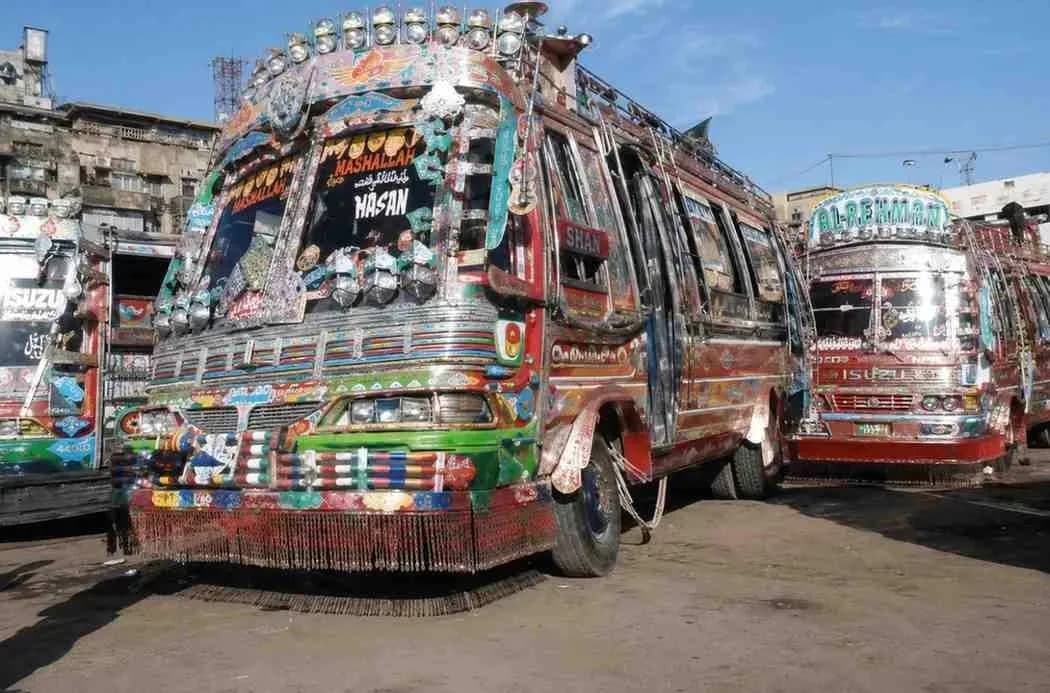
Quick Answer
The Public Transport Strike in Karachi has started after unsuccessful discussions between transport unions and traffic police over increasing fines and stricter enforcement. Bus operators say rising costs are already affecting their businesses, while commuters fear higher travel expenses and daily transportation problems if the strike continues.
Karachi Public Transport Strike 2026: What Happened?
Karachi’s transport system is facing uncertainty as transport unions announced an indefinite strike after talks with traffic police failed. The dispute mainly revolves around traffic fines, enforcement policies, and the financial pressure faced by bus owners.
Representatives from transport groups argue that operators are struggling with fuel prices, vehicle maintenance costs, and other operational expenses. They believe additional penalties could make public transport services difficult to sustain.
In many cases, transport businesses operate with limited profit margins. A sudden increase in expenses can directly affect service availability, especially in large cities where thousands of people depend on buses every day.
Why Transport Operators Are Protesting
Transport unions have highlighted several concerns, including:
Increasing traffic fines on public transport vehicles
Rising fuel and repair costs
Financial pressure on bus owners
Concerns about stricter enforcement policies
Lack of agreement during negotiations
From experience, transport disputes usually become complicated when both sides focus only on their own challenges. Authorities want safer roads and better compliance, while operators want policies that consider real operating costs.
Impact of Karachi Transport Strike on Daily Commuters
A prolonged strike could create major difficulties for Karachi residents. Public buses remain one of the most affordable travel options for students, employees, factory workers, and daily wage earners.
One common mistake people make is thinking transport strikes only affect bus passengers. In reality, the impact spreads across the city through increased traffic, higher fares, and longer travel times.
Possible Effects on Citizens
Issue | Possible Impact |
|---|---|
Bus service suspension | Longer waiting times |
Increased demand for rickshaws | Higher travel expenses |
More private vehicles | Road congestion |
Limited affordable transport | Problems for low-income commuters |
Public Transport Strike: Pros and Cons
Pros
Highlights financial challenges faced by transport operators
Encourages authorities to review transport policies
Creates pressure for better communication between stakeholders
Cons
Thousands of commuters may face travel problems
Daily expenses may increase
Businesses and educational activities could be affected
Transport Operators vs Traffic Authorities
Transport Operators | Traffic Authorities |
|---|---|
Want reduced penalties | Focus on traffic law enforcement |
Highlight rising costs | Prioritize road safety |
Demand practical policies | Expect compliance from drivers |
A balanced solution is necessary because Karachi needs both safe roads and reliable public transportation.
Customer Experience and Real-Life Impact
Many commuters share similar concerns whenever transport disruptions happen. On platforms like Quora, people often discuss how public transport strikes in major cities create financial pressure for workers who cannot afford expensive alternatives.
A Karachi office employee may spend a fixed amount daily on bus travel. If buses stop running, switching to ride-hailing services can significantly increase monthly expenses.
A university student may also struggle because affordable transport options become limited during such situations.
Competitor Comparison: Karachi Transport Challenges vs Other Cities
City | Transport Challenge | Common Solution |
|---|---|---|
Karachi | Rising costs and service disruptions | Better coordination |
New York | Fare increases and delays | Public investment |
London | Service strikes | Negotiation systems |
Cities worldwide face transport challenges, but successful systems usually depend on cooperation between operators and authorities.
What Should Happen Next?
The future of Karachi’s transport system depends on renewed discussions between unions and traffic officials. A practical approach should protect commuters while addressing genuine concerns of transport operators.
Residents should stay updated through official announcements and plan alternative travel options if disruptions continue.
If you depend on public transport daily, preparing early can help reduce stress and unexpected costs. Follow trusted news updates and monitor government decisions before making travel plans.
FAQs
1. Why is Karachi public transport on strike?
Transport unions announced the strike due to disagreements over traffic fines, enforcement measures, and operating costs.
2. How long will the Karachi transport strike continue?
The strike has been announced as indefinite, but negotiations may change the situation.
3. Who will be affected by the transport strike?
Students, employees, workers, and daily commuters who rely on buses may face difficulties.
4. What are transport unions demanding?
They want a review of fines and policies that consider the financial challenges of running public transport.
5. Will Karachi traffic become worse during the strike?
Yes, increased use of private vehicles and alternative transport may create congestion.
6. What alternatives can commuters use?
Passengers may use ride-hailing services, rickshaws, motorcycles, or carpooling where possible.
7. How can the transport dispute be resolved?
A solution requires cooperation between transport unions and authorities through meaningful negotiations.
Related Stories
Article Details
Category: News
Published:
Updated:
Author: Fiza
More Stories