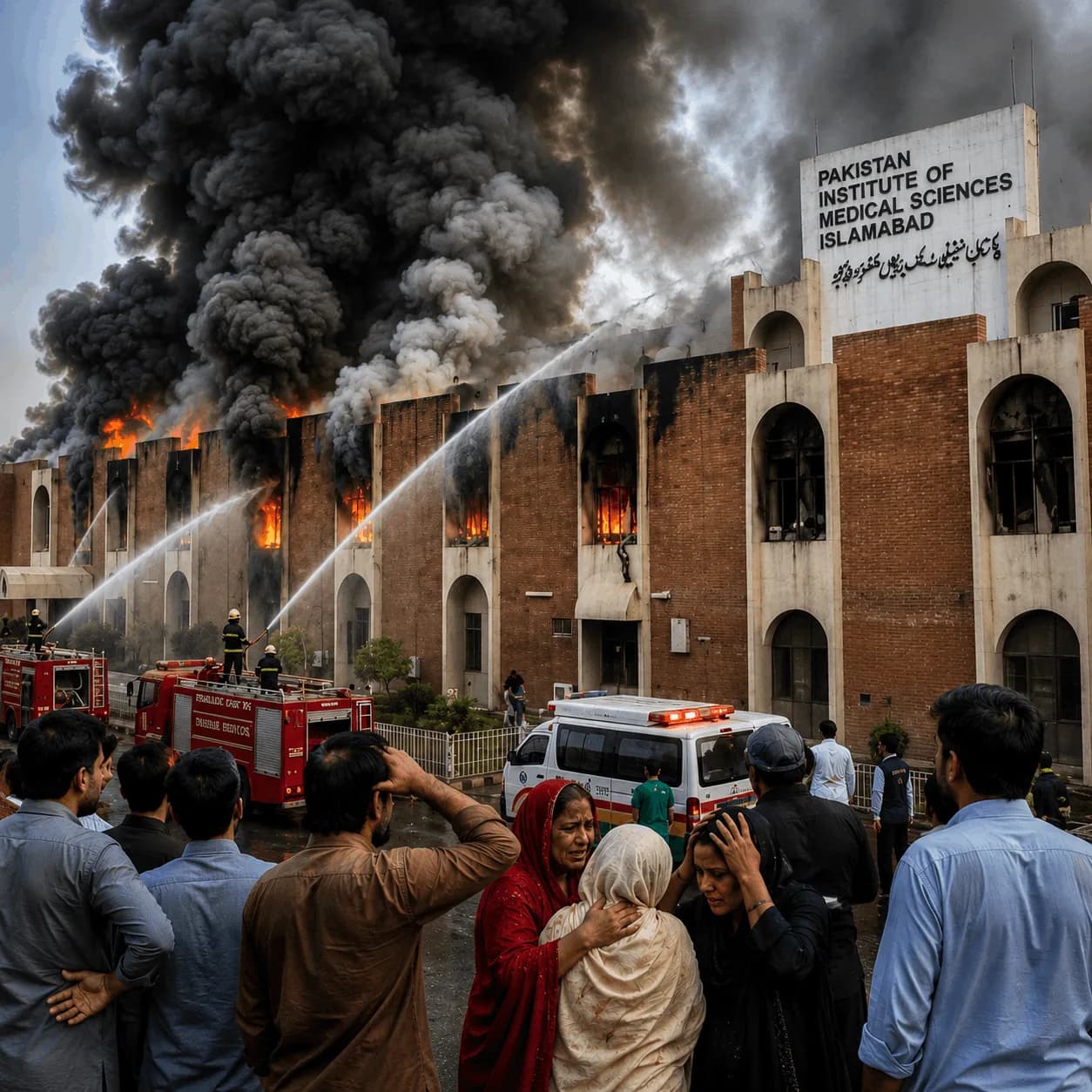
Ever tried calling family during heavy rain, a power breakdown, or a major public incident and found the internet suddenly slow? That slowdown usually happens because thousands of people start using the same network at the same time.
What Happens Inside The Network During A Crisis
During emergencies, mobile towers face a sudden jump in calls, messages, video uploads, live streams, and location sharing. The network does not always fail. In many cases, it becomes overloaded because too many users are trying to move data through limited capacity.
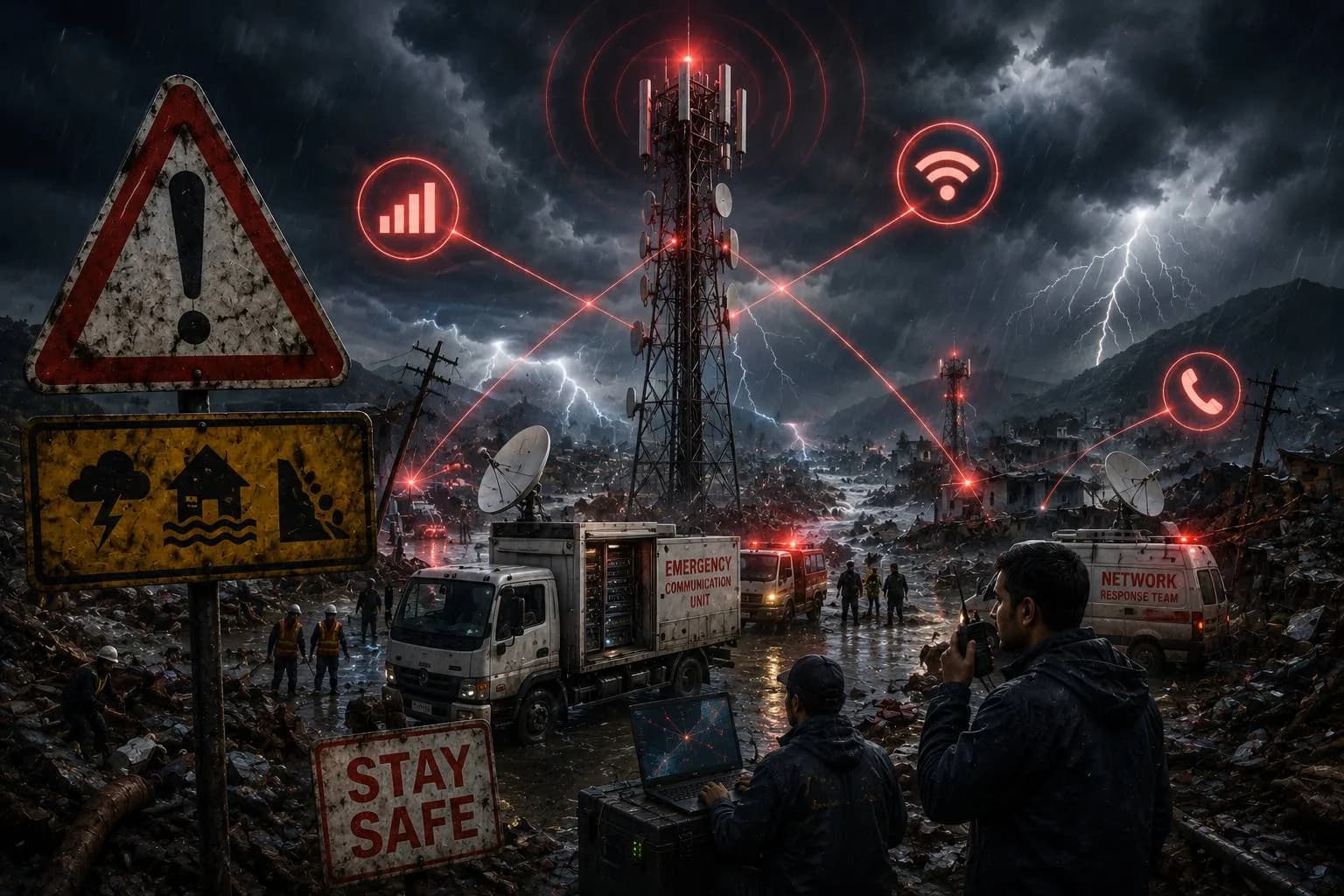
Telecom Networks During Emergencies depend on three things: tower capacity, power backup, and backhaul links. If any one of these becomes weak, users may face slow browsing, failed uploads, or dropped calls.
How Operators Manage Heavy Traffic
Telecom companies monitor network load in real time. When traffic rises sharply, technical teams shift capacity, reroute traffic, deploy backup power, and repair damaged sites where needed. PTA and telecom operators also coordinate during disasters to restore essential services and maintain network resilience.
| Network Action | How It Helps Users |
|---|---|
| Traffic monitoring | Helps teams identify overloaded areas quickly. |
| Priority routing | Keeps important communication moving during pressure. |
| Backup power | Keeps towers active during electricity failures. |
| Emergency restoration | Repairs damaged sites and reconnects affected areas. |
Why Video Creates Extra Pressure
One common mistake people make is sending long videos when the network is already struggling. A short text message uses far less capacity than a video clip or live stream.
From experience, this matters most during floods, protests, earthquakes, and citywide outages. If everyone uploads videos at once, the network becomes like a narrow road filled with trucks. Important messages may get stuck behind heavy traffic.
The Financial Burden On Families
Emergency connectivity also affects household budgets. A family may buy extra data, keep multiple SIMs active, or pay for backup internet just to stay connected. It is like keeping candles, a torch, and a generator ready because electricity cannot be trusted during a crisis.
What Users Should Do During Network Congestion
Users can help reduce pressure by using SMS, short voice calls, and low-data messaging apps instead of video calls. They should avoid repeated speed tests, large uploads, and unnecessary streaming during emergencies.
If mobile data is slow, switching to 3G or 4G manually may help in some areas. Keeping phones charged, saving emergency contacts, and using one clear family group chat can also reduce confusion.
Closing Thought
Pakistan’s emergency connectivity will improve with stronger tower backups, wider fiber links, better disaster planning, and public awareness. Telecom companies and regulators have an important role, but users also matter. In a crisis, smart network use can help keep essential communication available for the people who need it most.
Quick Facts Box
- Mobile networks face sudden traffic spikes during disasters and public emergencies.
- Video calls and uploads consume far more capacity than SMS or short messages.
- Backup power and fiber backhaul are critical for reliable emergency connectivity.
- PTA has documented disaster planning, network resilience, and emergency restoration as key telecom priorities.
Article Details
Category: Telecom
Published:
Author: Pari Row
More Stories