The IMF Never Demanded Solar Panel Tax issue created uncertainty among Pakistani consumers and businesses after reports suggested that solar equipment could become more expensive. Finance Minister Muhammad Aurangzeb clarified that the International Monetary Fund (IMF) did not ask Pakistan to introduce any tax on solar panels.
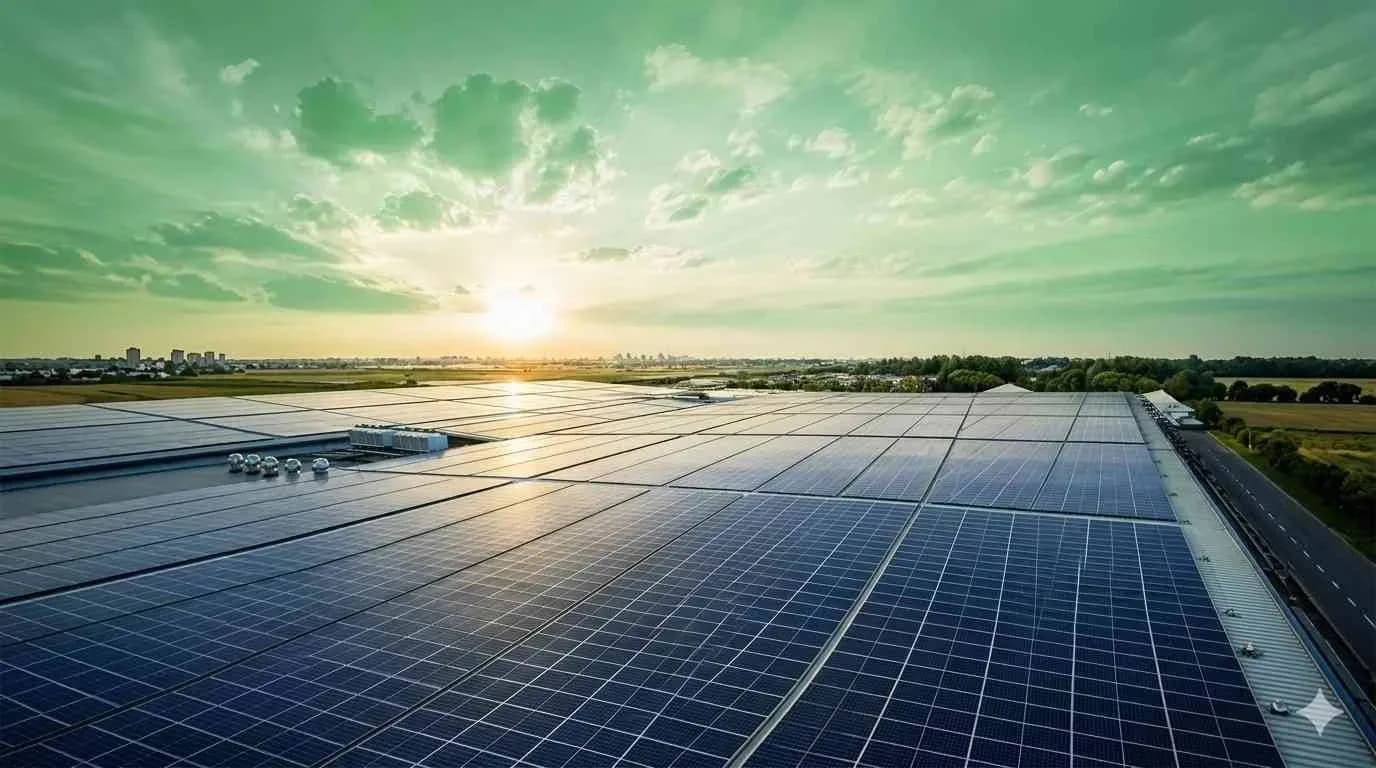
For many households, solar energy is no longer just an alternative option. It has become a practical solution to manage increasing electricity costs. Small businesses, factories, and homeowners are investing in solar systems to reduce their dependence on the national grid.
From experience, one common mistake people make is assuming every budget decision comes directly from international organizations. In reality, governments often design economic policies according to local financial challenges, revenue needs, and long-term development goals.
Why the Solar Panel Tax Debate Matters for Pakistan
Pakistan’s renewable energy market has expanded significantly in recent years. Rising electricity prices and frequent concerns about power reliability have encouraged consumers to explore cleaner energy solutions.
The clarification from Aurangzeb provides confidence to people who were considering solar installation but delayed decisions due to uncertainty.
Key points from the government’s statement include:
IMF did not demand a tax on solar panels.
Renewable energy remains part of Pakistan’s energy strategy.
Energy sector reforms are focused on long-term improvement.
Consumers should not make decisions based on unverified reports.
In many cases, clear communication from policymakers helps stabilize markets. Similar situations have occurred in countries like the United States, where energy policy discussions often influence consumer decisions before final announcements are made.
Solar Energy Growth: Pakistan Compared With Global Markets
The growing interest in solar energy is not limited to Pakistan. Many countries are encouraging renewable adoption because it helps reduce fuel dependency and supports sustainability goals.
Country | Solar Energy Trend | Main Reason |
|---|---|---|
Pakistan | Rapid household solar adoption | High electricity costs |
United States | Strong residential solar growth | Energy savings and incentives |
Germany | Renewable-focused policies | Climate goals |
China | Large-scale solar production | Manufacturing advantage |
Unlike some developed markets, Pakistan’s solar growth has mainly been driven by consumers searching for affordable electricity solutions.
Pros and Cons of Solar Adoption in Pakistan
Pros
Lower electricity bills over time.
Reduced dependence on grid power.
Better energy security for households and businesses.
Support for cleaner energy development.
Cons
High initial installation cost.
Maintenance requirements.
Dependence on quality equipment and installation services.
Policy uncertainty can affect investor confidence.
One common mistake people make is focusing only on upfront costs. A proper solar investment decision should consider long-term savings, equipment quality, and future electricity prices.
Customer Experience and Real Use Cases
Many Pakistani consumers share similar experiences after installing solar systems. Homeowners often mention reduced monthly bills, while businesses highlight better control over operational costs.
For example, small business owners frequently discuss on platforms like Quora that stable energy expenses help them plan growth more effectively. Similar feedback can be seen among US homeowners who adopted solar solutions to manage rising utility costs.
Customer experiences commonly include:
“Solar helped reduce my monthly electricity expenses.”
“Energy independence gives businesses more confidence.”
“Government clarity helps consumers make better decisions.”
Energy Reforms and DISCO Privatization Plans
While the solar tax discussion has gained attention, Pakistan’s bigger challenge remains improving the overall power sector.
The government is also focusing on reforms involving electricity distribution companies, known as DISCOs. The goal is to improve efficiency, reduce losses, and encourage better service delivery.
Reform Area | Expected Benefit |
|---|---|
DISCO privatization | Improved management |
Strong regulation | Consumer protection |
Market competition | Better services |
Power sector reforms | Long-term stability |
Compared with countries where private electricity markets operate under strict regulation, Pakistan’s success will depend on maintaining transparency and protecting consumers.
Solar Policy Future: What Consumers Should Know
The clarification that IMF did not request a solar panel tax removes unnecessary concerns. However, consumers should still evaluate solar decisions carefully.
Before investing, consider:
Quality of solar panels.
Installer reputation.
Warranty coverage.
Long-term energy needs.
Ready to Understand Pakistan’s Energy Future?
Reliable information helps consumers and businesses make smarter decisions. Stay updated with trusted economic and energy news to understand how government policies, renewable energy trends, and market changes can affect your future choices.
FAQs
1. Did IMF ask Pakistan to impose a tax on solar panels?
No, Finance Minister Muhammad Aurangzeb clarified that the IMF did not demand any tax on solar panels.
2. Why are people concerned about solar panel taxes in Pakistan?
Concerns increased after discussions around the national budget and possible changes affecting renewable energy equipment.
3. Is solar energy still a good option in Pakistan?
Yes, many households and businesses continue adopting solar energy because of rising electricity costs and energy challenges.
4. What are Pakistan’s main electricity sector reforms?
The government is focusing on improving distribution companies, reducing inefficiencies, and increasing private-sector participation.
5. Will solar panels become more expensive in Pakistan?
Prices can change due to market conditions, imports, and policies, but there is currently no IMF-driven solar panel tax.
6. What should consumers check before installing solar panels?
Consumers should evaluate equipment quality, installer experience, warranties, and expected long-term savings.
7. How can energy reforms benefit Pakistan’s economy?
Successful reforms can reduce electricity costs, support industries, improve competitiveness, and attract investment.
Article Details
Category: Industry
Published:
Updated:
Author: Fiza
More Stories