
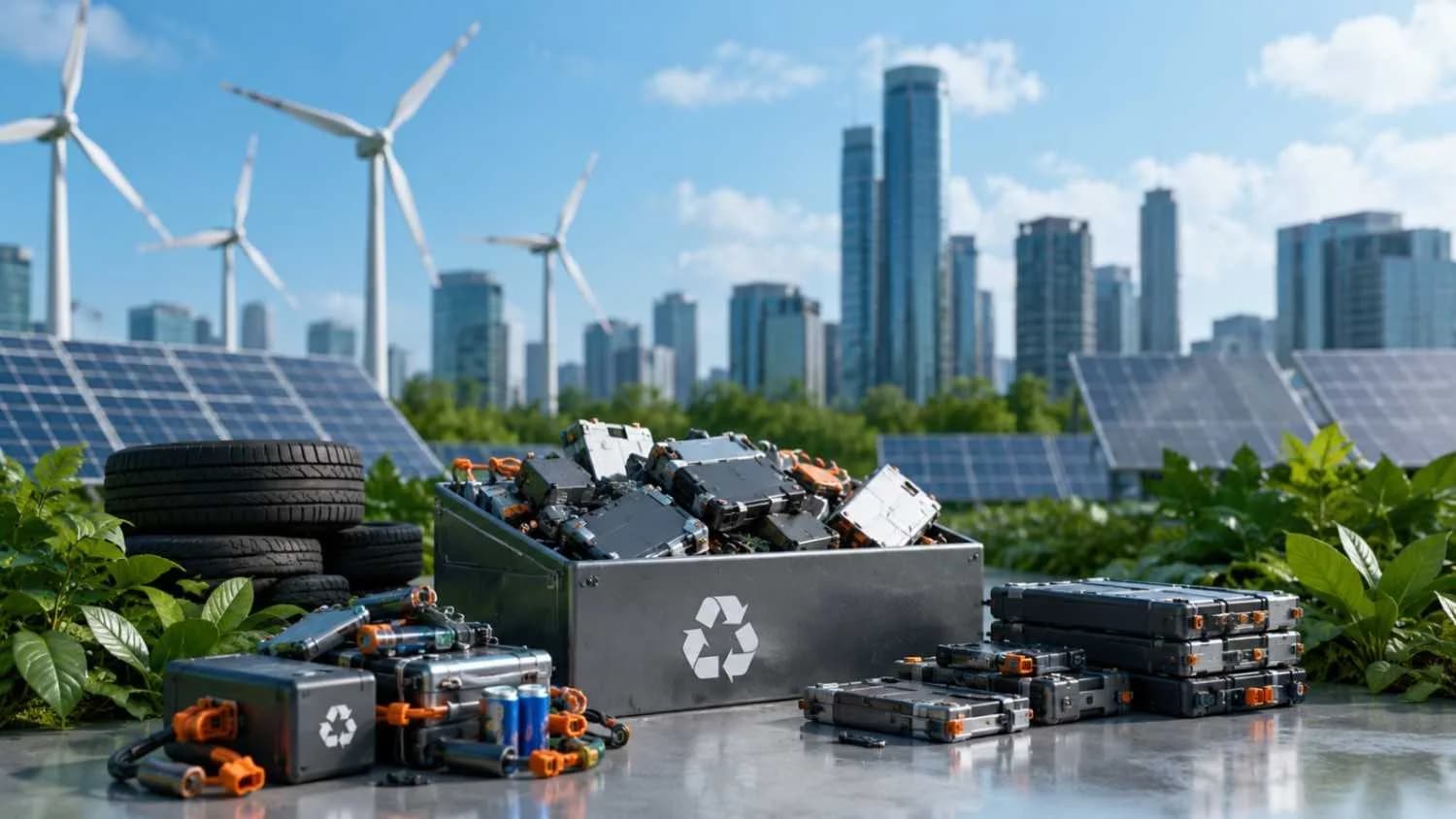
Malaysia Targets Future EV Battery Waste Management Challenges
Malaysia Moves Early to Prevent Future EV Battery Waste Crisis
What happens when thousands of electric vehicle batteries reach the end of their life at the same time? Malaysia is trying to answer that question before it becomes a national headache.
As electric vehicle adoption grows across Southeast Asia, Malaysian authorities and industry players are beginning to focus on a less discussed challenge: managing old EV batteries safely and affordably. While electric cars are often promoted as cleaner alternatives to fuel-powered vehicles, their long-term environmental impact depends heavily on how used batteries are handled years later.
Malaysia Prepares for the Next Phase of EV Growth
Malaysia has seen rising interest in EVs over the past two years, supported by tax incentives, charging infrastructure projects, and growing consumer awareness. However, experts believe battery disposal could become one of the country’s biggest environmental and industrial challenges within the next decade.
Most EV batteries last between eight to 15 years depending on usage and climate conditions. Once performance drops, these batteries cannot simply be thrown away like ordinary electronic waste. They contain valuable but hazardous materials such as lithium, nickel, cobalt, and manganese.
In many cases, governments wait until waste volumes become unmanageable before creating recycling systems. Malaysia appears to be taking a different route by discussing recycling frameworks, collection systems, and industrial partnerships much earlier.
Why EV Battery Waste Is a Serious Concern
Improper battery disposal can lead to toxic leaks, fire risks, and environmental contamination. One common mistake people make is assuming EV batteries become useless after leaving a car. In reality, many still retain enough power for secondary applications such as energy storage systems.
From experience, countries that move early on recycling infrastructure often reduce long-term costs for both consumers and manufacturers. Without proper systems, families could eventually face expensive battery replacement and disposal fees. For middle-income households, replacing an EV battery may feel similar to suddenly paying for a second motorcycle or a year of university tuition.
That financial angle is becoming increasingly important as EV ownership expands beyond luxury buyers.
| Key Area | Malaysia's Current Focus |
|---|---|
| Battery Recycling | Developing safe recovery and processing systems |
| Environmental Safety | Reducing toxic waste and fire hazards |
| Industrial Partnerships | Working with manufacturers and recycling firms |
| Consumer Awareness | Encouraging responsible battery handling |
Regional Competition Is Also Driving Action
Malaysia is not operating in isolation. Neighboring countries are also investing heavily in EV supply chains and battery-related industries. That regional competition is pushing governments to build long-term sustainability plans instead of focusing only on vehicle sales.
Battery recycling is increasingly viewed as an economic opportunity rather than just an environmental obligation. Valuable metals recovered from old batteries can re-enter the manufacturing cycle, reducing dependence on imported raw materials.
Industry observers believe Malaysia could benefit by positioning itself as a regional recycling and battery processing hub if regulations and investment plans move fast enough.
Consumers May Eventually Benefit Too
A strong recycling ecosystem could help stabilize future battery replacement costs and improve resale values for EV owners. Buyers are becoming more aware of battery lifespan, especially first-time EV customers worried about maintenance expenses years down the road.
Clear recycling policies may also encourage automakers to introduce battery buyback programs or extended warranties in the Malaysian market.
The next few years will likely determine whether Southeast Asia can handle the environmental side of its EV boom responsibly. Malaysia’s early focus on battery waste management suggests the country wants to avoid repeating the mistakes seen in other fast-growing industries where cleanup efforts arrived too late.
Quick Facts
- EV batteries typically last between 8 to 15 years
- Lithium-ion batteries contain recyclable metals like nickel and cobalt
- Malaysia is expanding EV adoption through incentives and infrastructure
- Battery recycling could become a major regional industry in Southeast Asia
Article Details
Category: Auto
Published: 21 May 2026
Time: 4:16 pm
Author: Muhammad Anus
More Stories