Pakistan’s New Energy Vehicle Policy Raises More Questions Than Answers
What happens when a country pushes electric mobility without fixing the basics first? Pakistan’s latest New Energy Vehicle policy is now facing criticism for exactly that reason.
While the policy aims to increase electric vehicle adoption and reduce fuel imports, industry stakeholders say several parts of the framework appear disconnected from ground realities. From inconsistent tax structures to weak charging infrastructure, the plan is being viewed as ambitious on paper but difficult to implement in practice.
Confusion Around Taxes and Incentives
One of the biggest contradictions revolves around taxation. Smaller electric vehicles are receiving incentives, but several imported EV components still face duties that raise overall costs for assemblers.
In many cases, manufacturers argue they are being encouraged to localize production while simultaneously paying higher import costs on parts that are not yet available locally. That imbalance could slow down investment rather than accelerate it.
Consumers are also struggling to understand the pricing logic. Some hybrid vehicles continue to receive favorable treatment while fully electric options remain expensive for middle-income buyers.
From experience, inconsistent policy signals often create hesitation in the market. Buyers delay purchases, and companies hold back expansion plans until rules become clearer.
Charging Infrastructure Still Missing
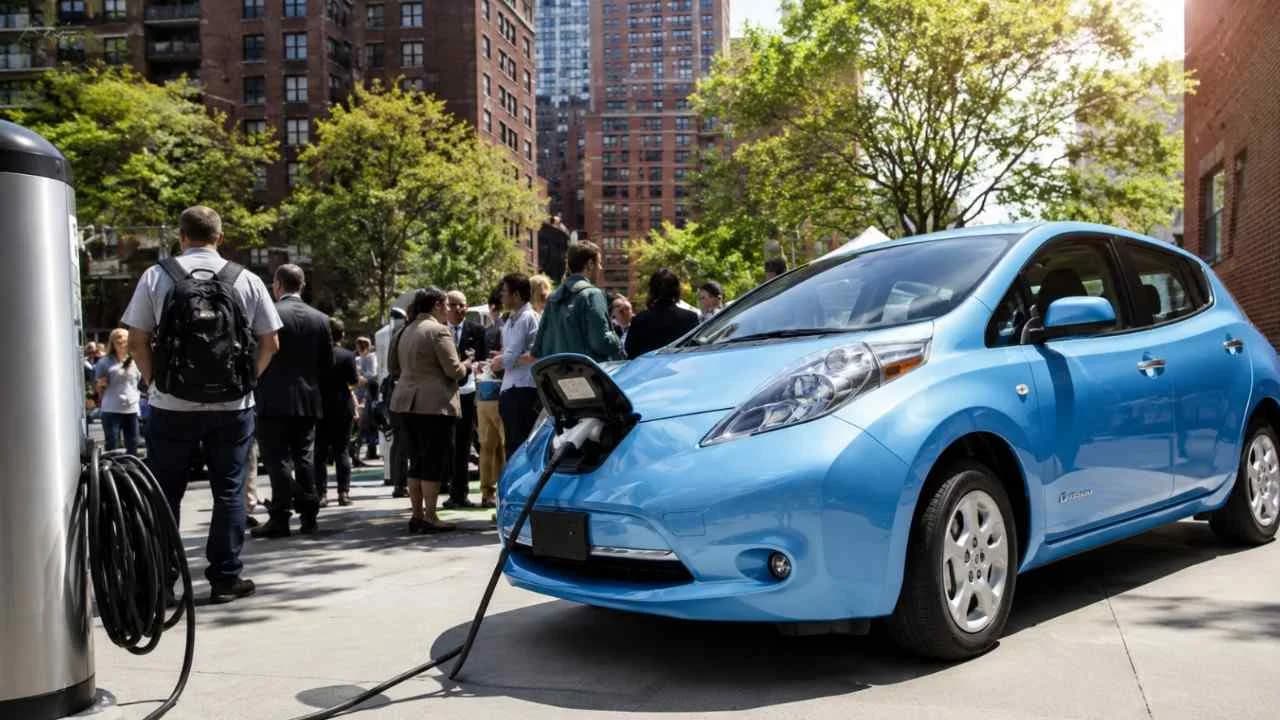
The policy strongly promotes EV adoption, yet public charging availability remains extremely limited outside major urban centers. For many families, buying an EV today feels similar to purchasing a smartphone without reliable internet coverage.
That concern becomes even more serious for intercity travel. Drivers still worry about charging access on highways and rural routes. One common mistake people make is assuming lower fuel costs alone are enough to convince people to switch vehicles. Convenience matters just as much.
| Policy Area | Current Situation | Main Concern |
|---|---|---|
| EV Tax Incentives | Partial relief available | Higher component costs remain |
| Charging Stations | Limited in major cities | Weak nationwide coverage |
| Consumer Affordability | High upfront prices | Middle-class adoption remains difficult |
Middle-Class Buyers Face Financial Pressure
The government wants EV adoption to rise quickly, but affordability remains a major obstacle. Electric vehicles still cost significantly more than conventional cars in Pakistan.
For an average salaried household, buying an EV today can feel like trying to upgrade an entire kitchen during a monthly grocery crisis. Even if long-term fuel savings exist, the upfront investment is simply too high for many families.
Banks have also remained cautious with auto financing due to economic uncertainty and higher interest rates. Without easier financing models, mass adoption could remain slower than policymakers expect.
Industry Wants Long-Term Clarity
Automakers and investors are not rejecting the policy outright. Many actually support the direction. However, they want stable regulations, realistic timelines, and infrastructure planning that matches policy targets.
Several experts believe Pakistan still has an opportunity to build a competitive EV ecosystem if policymakers address these contradictions early. Clear taxation, local manufacturing support, and nationwide charging expansion could help bridge the current gap between vision and execution.
Closing Thought
Pakistan’s transition toward cleaner transportation is likely unavoidable over the next decade. The bigger challenge is making sure policy promises align with practical realities on the ground. If those gaps are addressed carefully, the country could still position itself for sustainable growth in the evolving mobility market.
Quick Facts Box
- EV charging infrastructure remains concentrated in major cities
- Imported EV parts still face cost-related concerns
- Middle-income buyers continue to struggle with affordability
- Industry stakeholders are demanding clearer long-term policies
Article Details
Category: Auto
Published:
Author: Muhammad Anus
More Stories