Quick Answer
North Korea reaffirmed its status as a nuclear-armed state just one day before Chinese President Xi Jinping's scheduled visit. Kim Yo Jong rejected renewed calls for denuclearization and described the country's nuclear policy as irreversible. The announcement highlights Pyongyang's determination to strengthen its military position while preparing for an important diplomatic meeting with its closest ally.
North Korea Reaffirms Nuclear Status Ahead of Xi Jinping's Visit
North Korea has once again made its nuclear position clear. Kim Yo Jong, the influential sister of leader Kim Jong Un, stated that the country will never abandon its nuclear weapons and warned against any external pressure.
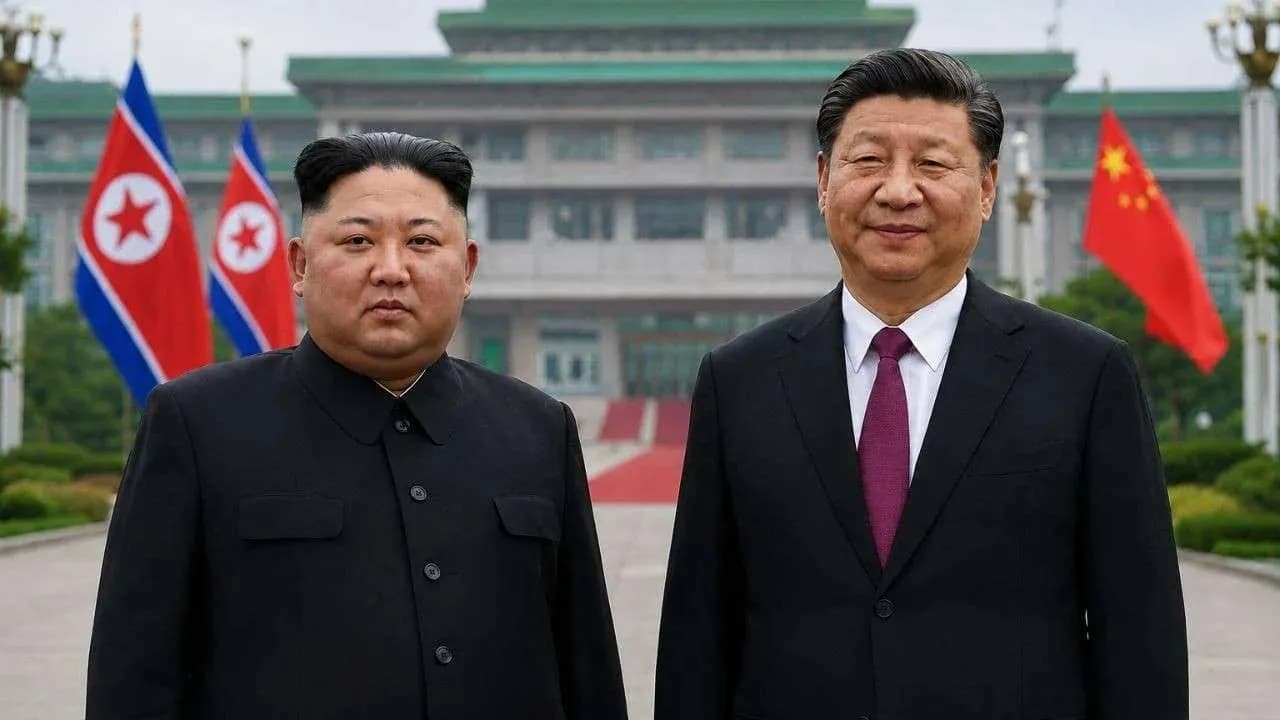
The timing of the statement has drawn worldwide attention because Chinese President Xi Jinping is expected to visit Pyongyang for high-level talks. It will be Xi's first visit to North Korea in several years, making it one of the most closely watched diplomatic events in East Asia.
According to North Korean state media, Kim Yo Jong also rejected reports suggesting that China and the United States had discussed North Korea's denuclearization. She described those claims as inaccurate and repeated that strengthening the country's nuclear deterrence remains a permanent national policy.
From experience, announcements made before major diplomatic meetings are rarely accidental. Governments often use these statements to strengthen their negotiating position before entering important discussions.
Key developments include:
North Korea reaffirmed its nuclear status.
Kim Yo Jong rejected denuclearization claims.
Xi Jinping is expected to visit Pyongyang.
Nuclear policy was described as final and irreversible.
Why the Timing of the Announcement Matters
The announcement comes at a politically sensitive moment. China remains North Korea's closest diplomatic and economic partner, and Xi Jinping's visit is expected to reinforce bilateral cooperation.
Many analysts believe Pyongyang wants to demonstrate confidence before meeting Chinese officials. Rather than showing flexibility, North Korea appears determined to remind the international community that its nuclear weapons remain central to its national security strategy.
A similar approach has been seen in previous negotiations. Before major diplomatic talks, countries often highlight their strongest bargaining position.
For example, discussions on Quora frequently mention how governments use military announcements to gain leverage before international meetings. Many foreign policy observers view this as a common diplomatic tactic rather than an unexpected move.
One common mistake people make is assuming that diplomatic meetings automatically lead to policy changes. In reality, these visits often focus on maintaining strategic relationships instead of producing immediate breakthroughs.
North Korea Expands Nuclear and Missile Capabilities
Recent military developments suggest that North Korea continues investing heavily in its defense sector.
Earlier this week, Kim Jong Un visited a newly unveiled nuclear material production facility and called for an exponential expansion of the country's nuclear arsenal. Shortly afterward, he reportedly instructed officials to increase missile production capacity over the next five years.
These announcements indicate that military modernization remains one of Pyongyang's highest priorities.
Development | Purpose | Possible Impact |
|---|---|---|
Nuclear material facility | Expand nuclear capability | Stronger strategic deterrence |
Missile production increase | Modernize military | Higher defense readiness |
Xi-Kim summit | Strengthen diplomatic ties | Greater regional attention |
In many cases, countries increase military readiness while simultaneously engaging in diplomacy. North Korea appears to be following that familiar pattern.
Pros and Cons of North Korea's Nuclear Strategy
Pros
Supporters inside North Korea argue that maintaining nuclear weapons provides several strategic advantages.
Strengthens national defense.
Acts as a military deterrent.
Increases bargaining power during negotiations.
Reinforces domestic political messaging.
Cons
However, the strategy also carries significant challenges.
Greater international sanctions.
Increased regional security tensions.
More diplomatic isolation.
Higher military spending.
From experience, long-term security policies often create both strategic benefits and economic costs. Balancing these priorities remains one of the biggest challenges for any government.
Regional Comparison: North Korea's Strategy vs Other Nuclear Powers
Country | Nuclear Policy | International Approach |
|---|---|---|
North Korea | Active expansion | Limited diplomatic engagement |
China | Strategic deterrence | Global diplomatic influence |
United States | Established nuclear capability | International alliances |
Unlike China and the United States, North Korea's nuclear policy remains closely linked to economic sanctions and regional security concerns. This makes every military announcement closely watched by governments across Asia and beyond.
Customer Perspective and Global Reactions
Although this is a geopolitical issue rather than a consumer topic, public interest remains high.
Readers on platforms like Quora often ask:
Will Xi Jinping influence North Korea's nuclear policy?
Can diplomacy reduce tensions?
Will new sanctions follow?
A US-based policy student recently noted that repeated military announcements often shape international headlines even before diplomatic meetings begin. Similar discussions are common among researchers and global affairs enthusiasts.
Most experts believe China will continue encouraging regional stability while maintaining communication with Pyongyang.
What Could Happen After the Xi-Kim Summit?
The upcoming summit may not produce dramatic policy changes, but it could influence future diplomatic discussions.
Possible outcomes include:
Stronger China-North Korea cooperation.
Continued military development.
Renewed international negotiations.
Greater attention from the United States and regional allies.
The summit is likely to shape political discussions across East Asia for months to come.
Stay Updated on Global Security Developments
International politics can change quickly, especially when nuclear policy and high-level diplomacy intersect.
If you follow global affairs, keep watching official updates after the Xi-Kim meeting. The decisions made during this visit could influence regional security, diplomatic relations, and future negotiations across Asia.
Frequently Asked Questions (FAQs)
1. Why did North Korea reaffirm its nuclear status?
North Korea said its nuclear policy is permanent and essential for national security.
2. Who announced the latest nuclear policy?
Kim Yo Jong, the sister of North Korean leader Kim Jong Un, made the statement through state media.
3. Why is Xi Jinping visiting North Korea?
The visit aims to strengthen diplomatic ties between China and North Korea and discuss regional issues.
4. Has North Korea expanded its nuclear program?
Yes. Recent reports indicate new nuclear material production facilities and plans to increase missile production.
5. Why did North Korea reject denuclearization claims?
Officials said reports about renewed denuclearization discussions were inaccurate and insisted their nuclear policy is irreversible.
6. Could this affect regional security?
Yes. The announcement is expected to increase attention from neighboring countries and global powers because of its impact on East Asian security.
7. What is expected from the Xi-Kim summit?
Analysts expect discussions on bilateral cooperation, regional stability, and strategic relations rather than immediate changes to North Korea's nuclear policy.
Article Details
Category: Global
Published:
Updated:
Author: Fiza
More Stories