Pakistan Northern Areas have quietly become one of the most talked about travel destinations in the world, and honestly, most guides online oversell the packages before they even explain the actual place.
Pakistan Northern Areas: What This Guide Actually Covers
Every tour site out there wants to sell you a package before you even understand what region you are booking. This guide skips that part.
In many cases, people search this term without realizing it actually spans three separate administrative regions, each with its own permits, terrain, and travel logistics. From experience reading through dozens of travel forums and even a few Quora threads from confused first time visitors, the confusion usually starts right here, before the trip even gets planned.
What's Inside This Guide
What Are Pakistan's Northern Areas, Really
Top Regions and Destinations to Know
Best Time to Visit
How Much a Trip Actually Costs
How to Get There
Safety and Travel Advisory Facts
What to Pack and Prepare For
Common Mistakes First Time Travelers Make
Ready to Plan Your Trip
FAQs
What Are Pakistan's Northern Areas, Really
The phrase "Northern Areas" is technically outdated. It used to be the official name for what is now called Gilgit-Baltistan, but the term stuck around in everyday use and now loosely covers a much wider stretch of mountainous Pakistan.
Gilgit-Baltistan vs KPK vs Azad Kashmir, Clearing Up the Confusion
These are three separate administrative regions, not one continuous zone.
Gilgit-Baltistan, home to Hunza, Skardu, Fairy Meadows, and Deosai
Khyber Pakhtunkhwa, covers Swat, Naran Kaghan, and Chitral
Azad Kashmir, includes Neelum Valley and the Galiyat belt
One common mistake people make is assuming a single tour package can casually cover all three in a few days. It cannot, not comfortably anyway.
Why the Term Is Often Used Loosely
Tour operators use "Northern Areas" as a catch all marketing phrase, which is convenient for selling packages but misleading for planning an actual trip. From experience, this is exactly why so many travelers underestimate distances between regions.
A Quick Geography Snapshot
Three major mountain ranges converge here. The Karakoram, the Himalayas, and the Hindu Kush all meet in this part of Pakistan, which is genuinely rare on a global scale and part of why the scenery feels so dramatically different from valley to valley.
Top Regions and Destinations to Know
Once you understand the three regions, picking destinations gets a lot easier. Here is a quick breakdown that most tour pages bury under sales copy.
Region | Key Destinations | Known For |
|---|---|---|
Gilgit-Baltistan | Hunza, Skardu, Fairy Meadows, Deosai | Snow capped peaks, glacial lakes, K2 base camp access |
Khyber Pakhtunkhwa | Swat, Naran Kaghan, Chitral | Green valleys, Kalash culture, alpine lakes |
Azad Kashmir | Neelum Valley, Galiyat | Rivers, pine forests, easier access from Islamabad |
Gilgit-Baltistan, Hunza, Skardu, Fairy Meadows, Deosai
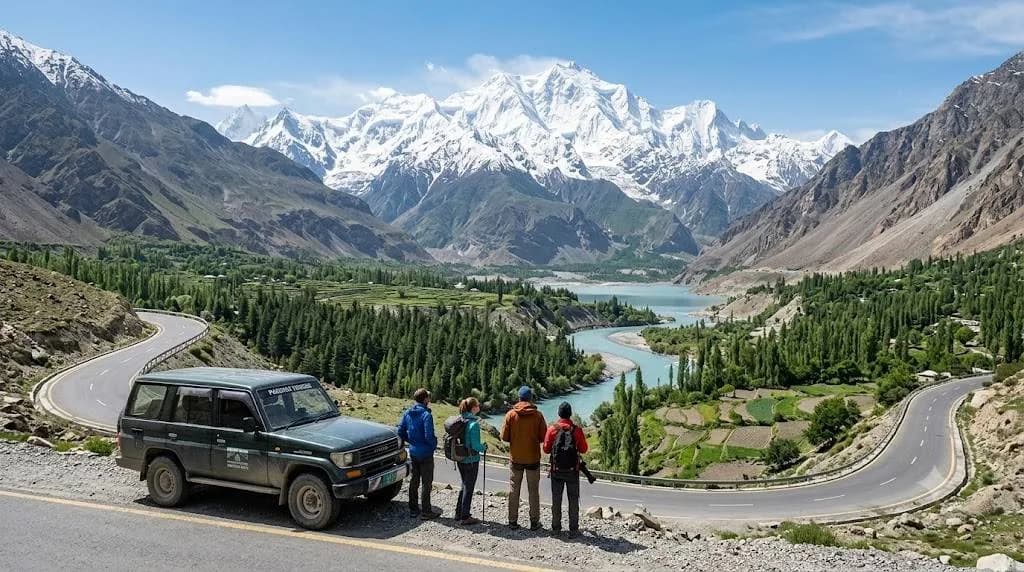
Hunza is usually the first stop people picture when they think of northern Pakistan travel, and for good reason. It has the kind of scenery that genuinely looks edited even when it is not. Skardu, a little further along, gets you closer to K2 and the Deosai plains.
Khyber Pakhtunkhwa, Swat, Naran Kaghan, Chitral
Swat and Naran Kaghan are more accessible for a shorter trip, which is exactly why families from Lahore and Islamabad treat them as weekend escapes rather than full expeditions.
Azad Kashmir, Neelum Valley and the Galiyat Belt
Neelum Valley tends to get overlooked next to Hunza and Skardu, but its river views and forest drives make it one of the more underrated picks for travelers with limited time.
Best Time to Visit Pakistan Northern Areas
This is where a lot of trip planning goes wrong. People book based on when they are free, not when the region is actually accessible.
Summer vs Spring vs Autumn, What Changes
Summer, roughly May to September, is peak season across most valleys. Spring brings cherry blossoms to Hunza. Autumn turns the same valleys gold, and honestly, from what returning travelers describe on forums, autumn light in Hunza is hard to beat.
Why Winter Travel Is Limited in Most Regions
Heavy snowfall closes roads to Skardu, Fairy Meadows, Deosai, and upper Hunza during winter months. Lower altitude spots like Murree remain open and even become their own separate winter attraction.
Month by Month Quick Reference
April to June, spring blooms, moderate crowds
July to August, peak season, occasional monsoon rain in lower valleys
September to November, autumn colors, fewer tourists
December to March, mostly inaccessible except lower altitude areas
How Much a Trip Actually Costs
Budget confusion is one of the biggest complaints among first time travelers, and it is not hard to see why once you compare listed prices across different operators.
Trip Type | Approximate Budget (PKR) | What's Included |
|---|---|---|
Basic group package | 14,000 to 35,000 | Transport, shared hotel, guide |
Mid range package | 40,000 to 99,000 | Better hotels, more destinations covered |
Independent travel | Varies widely | Full control but requires more planning |
Package Tours vs Independent Travel
Package tours remove the planning burden but often bundle destinations that do not logically fit together in the time given. Independent travel costs less per day in many cases but demands more research upfront.
Hidden Costs Most Packages Don't Mention
Jeep rides to remote lakes, entry fees for national parks, and altitude related gear rentals are rarely included in the advertised price. One common mistake people make is assuming the quoted package price is the final number.
How to Get There
Getting into the northern regions is part of the experience, and also part of the planning headache if you are not prepared for it.
By Road via the Karakoram Highway
The Karakoram Highway connects Islamabad to Hunza and beyond, often called the eighth wonder of the world by frequent travelers. It is scenic, but travel times are long and mountain roads can be unpredictable after rain.
By Air, Flights to Gilgit and Skardu
Flights exist but are weather dependent and fill up fast during peak season. Booking early is not optional if you want to skip the long road journey.
What to Expect from Road Travel Times
Islamabad to Hunza by road typically takes 12 to 14 hours depending on conditions. Many travelers underestimate this and end up exhausted before their trip even properly starts.
Safety and Travel Advisory Facts
Safety questions come up constantly, and the honest answer requires more nuance than a simple yes or no.
What International Advisories Actually Say
According to recent advisories referenced by several tour operators, agencies including the US State Department, UK FCDO, and the Canadian government currently classify Hunza, Skardu, and Swat as low risk areas with enhanced security measures in place.
Practical Safety Tips for First Time Visitors
Register your itinerary with your hotel or guide
Keep a physical copy of your CNIC or passport
Avoid traveling after dark on mountain roads
Check current road conditions before departure
What to Pack and Prepare For
Packing for these regions is different from a standard vacation, and altitude changes everything.
Altitude and Weather Considerations
Temperatures can swing dramatically between day and night, even in summer. Layered clothing is non negotiable, and sturdy footwear matters more than people expect until they are actually hiking uneven terrain.
Connectivity and Cash Access in Remote Areas
Network coverage is inconsistent in remote valleys. From experience, carrying enough cash is smarter than relying on card payments once you are past major towns.
Pro tip, pack basic altitude sickness medication if your route includes Deosai or upper Hunza, since symptoms can appear even in otherwise healthy travelers.
Common Mistakes First Time Travelers Make
Underestimating Travel Time Between Destinations
Google Maps distances look short on paper but mountain roads move slower than flat highways. Cramming too many stops into one trip is the single most repeated complaint in traveler reviews.
Booking During Peak Season Without Flexibility
July and August get crowded fast, and hotel rates climb accordingly. Booking rigid, non refundable packages during this window removes your ability to adjust if weather disrupts your route.
Comparison with Competitors
Most tour operator websites list similar destinations with almost identical marketing language, competitive pricing, expert guides, unforgettable memories. What is missing across nearly all of them is a transparent breakdown of what is not included, and a realistic explanation of how the three regions actually differ. This guide exists specifically to fill that gap rather than repeat it.
Customer Experience Highlights
Real traveler feedback tends to echo a consistent theme. One reviewer described their trip as a hassle free experience with a great driver and guide, while another highlighted the value of flexible scheduling when monsoon rain disrupted their Naran route. The pattern across positive reviews is rarely about luxury, it is almost always about smooth logistics and honest communication from the operator.
Pros and Cons of Visiting Pakistan Northern Areas
Pros
World class scenery that rivals far more expensive destinations
Genuinely warm local hospitality
Improving infrastructure and flight access
Wide range of budget options
Cons
Long road travel times between regions
Weather dependent flights and road closures
Inconsistent pricing transparency across tour operators
Limited connectivity in remote valleys
Ready to Plan Your Trip
By now you have a clearer picture than most people get from a single tour package page. Pakistan Northern Areas reward travelers who plan around the season, understand the regional differences, and budget for the costs that packages tend to leave out.
The smartest next step is choosing one region to focus on rather than trying to cover Gilgit-Baltistan, KPK, and Azad Kashmir in a single rushed trip. Pick the season that matches your priorities, confirm real inclusions before booking, and give yourself buffer time for road conditions.
Start planning your Pakistan Northern Areas trip with realistic expectations, and the experience tends to match the hype you have seen online.
Frequently Asked Questions
What exactly is included in Pakistan Northern Areas?
The term commonly refers to Gilgit-Baltistan, along with parts of Khyber Pakhtunkhwa and Azad Kashmir, though technically it once referred only to Gilgit-Baltistan.
What is the best time to visit Pakistan Northern Areas?
April through October generally offers the best conditions, with spring blossoms, summer greenery, and autumn colors each offering a different experience.
How much does a trip to Hunza or Skardu typically cost?
Basic group packages start around Rs 14,000 to 35,000, while more comprehensive packages covering better hotels and more destinations can range from Rs 40,000 to over 99,000.
Is it safe to travel to Pakistan's northern regions in 2026?
Several international advisories currently classify areas like Hunza, Skardu, and Swat as low risk with enhanced security measures, though standard travel precautions still apply.
Can I visit the Northern Areas without a tour package?
Yes, independent travel is possible and can be more flexible, though it requires more planning around permits, transport, and accommodation compared to a guided package.
Which northern destination is best for first time travelers?
Hunza and Naran Kaghan are generally considered more accessible for first timers due to better infrastructure and shorter travel times compared to more remote areas like Deosai.
Do I need a special permit to visit Gilgit-Baltistan?
Most tourist areas in Gilgit-Baltistan do not require special permits for Pakistani or foreign travelers, though certain restricted zones near border areas may require prior clearance.
Topics in this story
Article Details
Category: Pakistan
Published:
Updated:
Author: Fiza
More Stories