
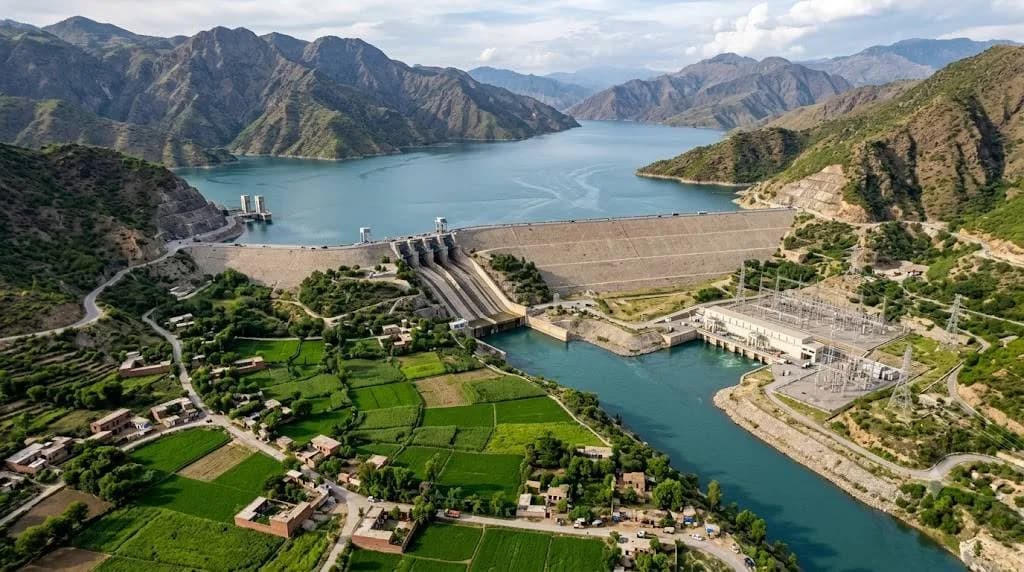
Dams in Pakistan: Why Water Storage Matters for the Country’s Future
Pakistan’s development has always been closely connected with water. From the fertile plains of Punjab to the agricultural lands of Sindh, rivers have supported farming, industries, and communities for generations. However, managing this valuable resource has become increasingly challenging due to climate changes, unpredictable rainfall patterns, population growth, and rising water demand.
This is where dams in Pakistan play a crucial role. These large water management structures are not only used for storing river water but also support irrigation, electricity production, flood protection, and long-term water security.
Why Are Dams Important for Pakistan?
Pakistan receives most of its river water from the Indus River system, but the availability of water is not evenly distributed throughout the year. A large amount of rainfall occurs during the monsoon season, while many regions experience dry periods afterward.
Dams help solve this imbalance by storing excess water and releasing it when needed.
Their major contributions include:
Supporting agriculture by providing irrigation water during dry seasons
Generating clean hydroelectric power
Reducing damage caused by seasonal floods
Supplying water for cities and industries
Helping regions manage drought conditions
The Bigger Picture: Water Security and Economic Growth
Many people think dams are only about electricity generation, but their impact goes much further. Pakistan’s economy depends heavily on agriculture, and reliable water availability directly affects crop production, food prices, and rural livelihoods.
For example, farmers in areas connected with major reservoirs benefit from controlled water releases instead of depending only on unpredictable rainfall. This stability allows better planning for crops and reduces the risks associated with changing weather conditions.
One common mistake people make is viewing dams as only construction projects. In reality, they are long-term national infrastructure investments that influence food security, energy supply, and regional development.
A Changing Climate Makes Water Planning More Important
Climate change has made water management more complex. Some years bring extreme floods, while others create serious water shortages. A strong storage system helps countries handle these unpredictable situations.
From experience studying large infrastructure projects around the world, including water systems in countries like the United States, successful water management depends on both storage capacity and responsible planning. Dams alone cannot solve every water challenge, but they remain one of the important tools for managing limited resources.
Pakistan’s future water strategy will depend on how effectively it builds, maintains, and manages these vital projects.
What Is a Dam? Understanding Its Role in Water Management
A dam is a specially designed structure built across a river or water channel to control, store, and manage the movement of water. Instead of allowing river water to flow away immediately, a dam creates a reservoir where water can be stored for future needs.
In simple terms, a dam works like a storage system for nature’s water supply. During periods of heavy rainfall or increased river flow, it collects excess water. Later, this stored water can be released for agriculture, drinking purposes, electricity generation, and other essential needs.
How Do Dams Work?
The working of a dam involves several connected systems that help manage water efficiently.
A typical dam includes:
A barrier structure that blocks or controls water flow
A reservoir where water is stored
Spillways that safely release extra water during floods
Powerhouses that convert moving water into electricity
Irrigation outlets that distribute water to farmland
When water passes through turbines installed in a hydropower facility, it creates electricity. This process allows many large reservoirs to support both water management and energy production.
Different Types of Dams Used in Pakistan
Not every dam serves the same purpose. The design depends on geography, river conditions, and local requirements.
Storage Dams
Storage dams are built mainly to collect large amounts of water for future use.
Examples include:
Tarbela Dam on the Indus River
Mangla Dam on the Jhelum River
These projects help maintain water availability for agriculture and urban needs throughout the year.
Hydropower Dams
Some dams are designed mainly to generate electricity. They use the force of flowing water to produce renewable energy.
Major examples include:
Tarbela Hydropower Project
Mangla Hydropower Project
Neelum-Jhelum Hydropower Plant
These projects reduce dependence on imported fuel and support Pakistan’s energy sector.
Small and Medium Dams
Small dams are usually developed to support local communities, especially in areas where water availability is limited.
They help with:
Local irrigation
Drinking water supply
Groundwater recharge
Flood management
Regions like Balochistan and Khyber Pakhtunkhwa have several smaller water storage projects designed for regional needs.
Dam vs Barrage: What Is the Difference?
A common confusion among students and general readers is the difference between a dam and a barrage.
Feature | Dam | Barrage |
|---|---|---|
Main Purpose | Stores water | Controls and diverts water |
Storage Capacity | Usually high | Usually limited |
Structure | Built higher across rivers | Built with gates over river channels |
Common Use | Irrigation, hydropower, storage | Canal water distribution |
For example, Tarbela Dam stores millions of acre-feet of water, while structures like Guddu Barrage mainly regulate river flow and supply water to canals.
Why Understanding Dams Matters
A dam is not simply a wall built across a river. It is part of a larger water management system that affects agriculture, electricity, communities, and economic planning.
Many countries, including the United States, have invested in large water projects to manage rivers and protect communities from floods. Pakistan faces similar challenges because its economy and population depend heavily on reliable water resources.
The real value of a dam comes from how effectively it is planned, maintained, and connected with the country’s long-term water strategy.
History of Dam Development in Pakistan: From Early Water Management to Modern Projects
The Beginning of Water Management After Independence
Pakistan’s relationship with water infrastructure started changing after independence in 1947. At that time, the country inherited an agricultural system that depended heavily on the Indus River network, but it had limited control over water storage and distribution.
The early years were challenging because Pakistan needed a reliable system to support farming communities and manage river flows. Unlike countries with naturally distributed rainfall, Pakistan receives most of its rainfall during a short monsoon period. This created a need for storing water during wet seasons and using it during dry months.
The focus during the early decades was mainly on irrigation improvement and developing structures that could support agricultural production.
The Role of the Indus Waters Treaty in Dam Development
A major turning point came with the signing of the Indus Waters Treaty in 1960 between Pakistan and India, with the support of the World Bank. The agreement shaped the future planning of Pakistan’s water resources.
Following this development, Pakistan started investing in large-scale water projects to improve river management. These projects were designed not only to provide irrigation water but also to strengthen energy production.
The treaty period led to the construction of some of the country’s most important water projects, including:
Mangla Dam on the Jhelum River
Tarbela Dam on the Indus River
Warsak Dam on the Kabul River
These projects became important examples of engineering development in the region.
Expansion of Hydropower and Water Storage Projects
During the 1970s and later decades, the purpose of water infrastructure expanded. Pakistan was no longer focusing only on irrigation; electricity shortages and growing energy demand became major national concerns.
Large reservoirs started serving multiple purposes:
Water storage for agriculture
Renewable electricity generation
Flood regulation
Regional development
For example, Tarbela Dam became a major contributor to both irrigation and hydropower production, making it one of the most significant infrastructure projects in South Asia.
Modern Era: Addressing New Water Challenges
Today, water planning has become more complex due to climate change, population growth, and increasing urban demand. Modern projects are designed with broader goals, including climate resilience and long-term water security.
Projects such as Diamer-Bhasha Dam and Mohmand Dam reflect this changing approach. They are planned not only as power projects but as strategic investments for future generations.
One common mistake people make is looking at dams only through the lens of construction. Their real importance lies in how they influence food production, energy stability, and the ability of communities to adapt to changing environmental conditions.
From experience studying major infrastructure developments worldwide, successful water management requires more than building new structures. It also depends on proper maintenance, environmental planning, and efficient use of stored resources.
How Many Dams Are There in Pakistan? (2026 Updated Overview)
Total Number of Dams and Water Storage Projects
The exact number of dams in Pakistan can vary depending on how they are classified. Some sources count only large reservoirs, while others include small dams, irrigation storage projects, and regional water structures.
As of 2026, Pakistan has more than 150 dams and water storage projects of different sizes across the country. These include major multipurpose reservoirs, small community-based dams, and hydropower projects designed for regional needs.
Instead of focusing only on the total number, it is more useful to understand the purpose and distribution of these projects. A small dam in a dry region of Balochistan may have a different importance compared to a mega reservoir like Tarbela, but both contribute to local water management.
Categories of Dams in Pakistan
Water storage projects are generally divided into three main categories:
Large Dams
Large dams are national-level projects with significant storage capacity and electricity generation potential.
Some important examples include:
Tarbela Dam
Mangla Dam
Warsak Dam
Hub Dam
Diamer-Bhasha Dam (under construction)
These projects influence agriculture, energy supply, and flood management on a large scale.
Medium-Sized Dams
Medium dams usually support specific regions by providing water storage, irrigation, and sometimes electricity.
Examples include:
Satpara Dam in Gilgit-Baltistan
Khanpur Dam in Khyber Pakhtunkhwa
Darawat Dam in Sindh
These projects are especially valuable for areas where rainfall patterns are uncertain.
Small Dams
Small dams are often built to solve local water problems. They are common in areas facing water shortages or seasonal rainfall challenges.
Their benefits include:
Supporting local farming
Improving groundwater levels
Providing water for communities
Reducing the impact of flash floods
Regional Distribution of Dams
The location of water projects is closely linked with geography and climate conditions.
Khyber Pakhtunkhwa
This region has several major projects because of its mountainous terrain and strong river network.
Important projects include:
Tarbela Dam
Warsak Dam
Mohmand Dam
Punjab
Punjab benefits from major river systems and irrigation networks connected with the Indus Basin.
Important structures include:
Chashma Barrage
Ghazi-Barotha Hydropower Project
Sindh
Sindh mainly focuses on water regulation because agriculture depends heavily on controlled river flow.
Important projects include:
Hub Dam
Darawat Dam
Balochistan
Due to its dry climate, small and medium storage projects are especially important in this region.
Projects like Mirani Dam help communities manage limited water resources.
Why the Number Alone Does Not Tell the Complete Story
A common misunderstanding is that having more dams automatically means better water management. The real challenge is how efficiently water is stored, distributed, and maintained.
Countries with advanced water systems, such as the United States, also focus heavily on upgrading existing infrastructure rather than only constructing new projects. The same approach is important for Pakistan because sediment buildup, maintenance costs, and climate changes can affect the performance of reservoirs over time.
The future of water management depends not only on increasing storage capacity but also on smarter planning and responsible use of available resources.
Major Dams of Pakistan and Their Importance
Pakistan’s major water projects represent decades of engineering, planning, and national investment. These structures are not important only because of their size; their real value comes from the role they play in supporting agriculture, electricity generation, and communities.
Some reservoirs have become symbols of national development, while others serve specific regional needs. Understanding their purpose helps explain why these projects remain central to Pakistan’s economic planning.
Tarbela Dam: The Largest Earth-Filled Dam in the World
Located on the Indus River in Khyber Pakhtunkhwa, Tarbela Dam is one of the most important water projects in South Asia. Construction started in 1968, and the project was completed in 1976 as part of Pakistan’s strategy to improve water storage and energy production.
The dam is known as the largest earth-filled dam in the world and has played a major role in supporting Pakistan’s irrigation system.
Key facts:
Location: Haripur District, Khyber Pakhtunkhwa
River: Indus River
Completed: 1976
Height: Approximately 143 meters
Main purposes:
Irrigation support
Hydropower generation
Flood management
From a practical perspective, Tarbela’s importance is not only measured by its size. Millions of farmers depend on controlled water releases from the Indus River system, making the reservoir a critical part of agricultural planning.
Mangla Dam: A Major Water Storage Project
Built on the Jhelum River in Mirpur, Azad Jammu and Kashmir, Mangla Dam was completed in 1967. It was one of the first major projects developed after the Indus Waters Treaty.
The dam was originally built to improve irrigation availability but later became an important source of hydroelectric power.
Important details:
Location: Mirpur, Azad Jammu and Kashmir
River: Jhelum River
Completed: 1967
Height: Around 147 meters
Major benefits:
Water storage
Agriculture support
Electricity generation
One important aspect often missed is the social impact of large reservoirs. Projects like Mangla changed local landscapes and communities, showing that large infrastructure projects bring both economic opportunities and social challenges.
Warsak Dam: Early Hydropower Development
Warsak Dam, located on the Kabul River near Peshawar, holds historical importance as one of Pakistan’s early major dam projects.
The first phase was completed in 1960 with support from the Canadian government. Later expansions increased its electricity generation capacity.
Main features:
Location: Khyber Pakhtunkhwa
River: Kabul River
Completed: 1960 (expanded later)
Main purpose:
Hydropower generation
Irrigation support
Although smaller compared to Tarbela and Mangla, Warsak played an important role in introducing large-scale hydropower development in Pakistan.
Hub Dam: Water Supply for Karachi and Surrounding Areas
Located on the Hub River near the Sindh-Balochistan border, Hub Dam has a unique importance because it supports one of Pakistan’s largest urban populations.
The reservoir provides water mainly for Karachi and nearby areas while also supporting agriculture.
Key information:
Location: Sindh-Balochistan border
River: Hub River
Completed: 1981
Main uses:
Drinking water supply
Irrigation
Wildlife conservation
The surrounding area also has ecological importance and supports various bird species, making the project valuable beyond its water supply function.
Mirani Dam: Supporting Water Security in Balochistan
Mirani Dam was built on the Dasht River in Balochistan and completed in 2006. It was designed to address the water challenges of a region where rainfall is limited and unpredictable.
Its main contribution is flood protection and water storage for local agriculture.
Important features:
Location: Kech District, Balochistan
River: Dasht River
Completed: 2006
Main benefits:
Flood control
Irrigation
Water storage
For dry regions, even medium-sized projects can create a major difference because they provide communities with more reliable access to water.
More Major Dams of Pakistan and Comparison Table
Pakistan’s water infrastructure includes several projects that may not receive the same attention as Tarbela or Mangla but still provide essential services to communities. These projects show that the importance of a dam is not always determined by its size. In many cases, a smaller reservoir can have a major impact on a specific region.
Khanpur Dam: Water Supply and Tourism Importance
Located on the Haro River in Khyber Pakhtunkhwa, Khanpur Dam is one of the most recognized water projects near Islamabad. It was completed in 1983 and primarily serves as a water source for Islamabad and Rawalpindi.
Apart from its practical importance, the dam has become a popular recreational destination because of its scenic surroundings.
Key features:
Location: Haripur District, Khyber Pakhtunkhwa
River: Haro River
Completed: 1983
Main purposes:
Drinking water supply
Irrigation
Tourism activities
The growth of tourism around Khanpur shows how infrastructure projects can create additional economic opportunities beyond their original purpose.
Satpara Dam: Supporting Life in Northern Pakistan
Satpara Dam is located near Skardu in Gilgit-Baltistan. Built on Satpara Lake, the project was developed to improve water availability and electricity supply in the region.
The geographical conditions of Gilgit-Baltistan make water management challenging because communities depend heavily on seasonal water sources.
Important details:
Location: Skardu, Gilgit-Baltistan
Main benefits:
Drinking water supply
Hydropower generation
Agricultural support
For mountain regions, reliable water systems are especially important because harsh weather conditions can affect accessibility and resource availability.
Gomal Zam Dam: Development Support in South Waziristan
Gomal Zam Dam is a multipurpose project built on the Gomal River in Khyber Pakhtunkhwa. It was designed to support irrigation, generate electricity, and reduce flood risks.
Key information:
Location: South Waziristan
River: Gomal River
Completed: 2011
Main uses:
Hydropower generation
Irrigation
Flood control
The project demonstrates how water infrastructure can contribute to regional development by improving agricultural opportunities.
Comparison Table: Major Dams in Pakistan
Dam Name | Location | River | Completed | Main Purpose |
|---|---|---|---|---|
Tarbela Dam | Khyber Pakhtunkhwa | Indus River | 1976 | Irrigation, hydropower, flood management |
Mangla Dam | Azad Jammu and Kashmir | Jhelum River | 1967 | Water storage, irrigation, electricity |
Warsak Dam | Khyber Pakhtunkhwa | Kabul River | 1960 | Hydropower, irrigation |
Hub Dam | Sindh-Balochistan Border | Hub River | 1981 | Drinking water, irrigation |
Mirani Dam | Balochistan | Dasht River | 2006 | Flood control, water storage |
Khanpur Dam | Khyber Pakhtunkhwa | Haro River | 1983 | Water supply, tourism |
Satpara Dam | Gilgit-Baltistan | Satpara Lake | 2013 | Drinking water, hydropower |
Gomal Zam Dam | Khyber Pakhtunkhwa | Gomal River | 2011 | Irrigation, electricity |
What Makes These Projects Different?
Comparing dams only by height or storage capacity can give an incomplete picture. A large reservoir like Tarbela has national importance, while a project like Satpara has a more regional role but remains essential for the communities it serves.
For example, a farmer in a remote area may benefit more from a nearby smaller water project than from a mega reservoir located hundreds of kilometers away.
One common mistake people make is judging infrastructure only by size. The real success of a water project depends on whether it solves the specific needs of the people and environment around it.
A balanced water strategy requires both large national projects and smaller regional solutions working together.
Under Construction and Future Dam Projects in Pakistan (2026 Update)
Pakistan’s future water strategy depends heavily on completing major infrastructure projects that can improve storage capacity, electricity generation, and climate resilience. Over the years, increasing water demand and changing weather patterns have made new reservoirs more important than ever.
However, building large dams is a complex process. These projects require huge investments, environmental planning, community support, and years of construction. A successful project is not only about completing the structure but also ensuring that it delivers benefits for generations.
Several major projects are currently under development to strengthen Pakistan’s water and energy system.
Diamer-Bhasha Dam: A Strategic Water and Energy Project
The Diamer-Bhasha Dam is one of Pakistan’s most ambitious infrastructure projects. It is being constructed on the Indus River in the Gilgit-Baltistan region and is designed as a multipurpose project.
Unlike some older projects that mainly focused on either irrigation or power, this dam combines several objectives:
Water storage for future needs
Hydroelectric power generation
Flood management
Reduction of pressure on existing reservoirs
Key features:
Location: Indus River, Gilgit-Baltistan/Khyber Pakhtunkhwa region
Planned storage capacity: Around 8.1 million acre-feet
Expected electricity generation: Approximately 4,500 MW
The project is particularly important because sediment buildup has reduced the storage efficiency of older reservoirs. By adding new capacity, Pakistan aims to improve long-term water management.
Mohmand Dam: Supporting Water Security in Khyber Pakhtunkhwa
Mohmand Dam is being constructed on the Swat River in Khyber Pakhtunkhwa. It is designed to address multiple challenges faced by the region, including floods, water shortages, and electricity demand.
The project is expected to provide:
Flood protection for downstream areas
Irrigation facilities
Drinking water supply
Hydropower generation
One interesting aspect of Mohmand Dam is its regional impact. It is not only an energy project but also a development opportunity for surrounding communities.
Construction activities have continued on different parts of the project, including the main dam and power-related structures.
Dasu Hydropower Project: Expanding Clean Energy Capacity
The Dasu Hydropower Project is another major development on the Indus River in Upper Kohistan, Khyber Pakhtunkhwa.
Its main focus is electricity generation, helping Pakistan increase its renewable energy supply.
Important features:
Location: Kohistan, Khyber Pakhtunkhwa
River: Indus River
Planned generation capacity: More than 4,000 MW in different phases
The project is significant because hydropower provides a cleaner alternative compared with traditional fossil fuel-based electricity generation. International financial support has also been linked with its development due to its importance for Pakistan’s energy sector.
Other Important Future Water Projects
Apart from mega projects, several smaller and medium-scale developments also contribute to improving regional water availability.
Examples include:
Nai Gaj Dam
Located in Sindh, Nai Gaj Dam is designed to help a drought-prone region by:
Storing rainwater
Supporting agriculture
Reducing flood damage
Kurram Tangi Dam
Located in Khyber Pakhtunkhwa, this project aims to support:
Irrigation development
Hydropower production
Local economic growth
Comparison Table: Future Dam Projects in Pakistan
Project | Location | Main Purpose | Expected Benefit |
|---|---|---|---|
Diamer-Bhasha Dam | Gilgit-Baltistan/KP | Water storage and hydropower | Long-term water security and electricity |
Mohmand Dam | Khyber Pakhtunkhwa | Flood control and power generation | Regional development and water supply |
Dasu Hydropower Project | Kohistan, KP | Hydropower generation | Renewable electricity production |
Nai Gaj Dam | Sindh | Irrigation and flood protection | Agricultural support |
Kurram Tangi Dam | KP | Irrigation and energy | Local water management |
Future Challenges of Dam Development
While these projects offer major benefits, they also face challenges such as:
High construction costs
Environmental concerns
Resettlement issues
Long completion timelines
Technical difficulties in mountainous areas
From experience studying large infrastructure projects worldwide, one important lesson is that building a dam is only the first step. Proper maintenance, transparent planning, and efficient water distribution determine whether a project achieves its long-term goals.
Pakistan’s future depends not only on constructing new reservoirs but also on managing existing water resources wisely.
Benefits and Importance of Dams in Pakistan
Water management has always been a major challenge for Pakistan because the country depends heavily on agriculture, rivers, and seasonal rainfall patterns. The value of a dam goes beyond storing water. These projects influence food production, electricity availability, urban development, and the ability to handle environmental challenges.
A well-planned reservoir can support communities for decades, but its success depends on proper management and fair distribution of resources.
Supporting Agriculture and Food Security
Agriculture remains one of Pakistan’s most important economic sectors, providing employment to millions of people. Reliable water availability is essential for growing crops such as wheat, rice, cotton, and sugarcane.
Reservoirs help farmers by providing a more controlled water supply instead of depending only on rainfall.
Major agricultural benefits include:
Better irrigation availability during dry periods
Improved crop planning
Reduced risk of water shortages
Support for rural economies
For example, farmers connected with the Indus Basin irrigation system benefit from regulated water releases that help maintain agricultural productivity.
Generating Renewable Electricity
Energy production is another major advantage of large water projects. Hydropower uses the natural movement of water to generate electricity without directly burning fossil fuels.
Projects like Tarbela and Mangla contribute significantly to Pakistan’s electricity supply.
Hydropower benefits include:
Lower dependence on imported fuels
Cleaner energy production
Long-term electricity generation
Support for industrial growth
However, one important point is often overlooked: hydropower availability depends on water levels. During periods of low river flow, electricity production can be affected.
Flood Protection During Extreme Weather
Pakistan has experienced severe flooding in different years, especially during intense monsoon seasons. Excessive water flow can damage homes, roads, farmland, and local businesses.
Dams help by:
Storing excess water
Controlling river flow
Reducing pressure on downstream areas
They do not completely eliminate flood risks, but they can reduce the severity of certain flood events when managed properly.
Providing Drinking Water for Cities and Communities
Growing cities require reliable water sources. Several reservoirs support urban areas by supplying water for households and public services.
Examples include:
Hub Dam supporting Karachi’s water needs
Khanpur Dam supporting Islamabad and Rawalpindi
As urban populations continue to increase, maintaining secure water sources will become even more important.
Supporting Industrial and Economic Development
Industries require water for different processes, including manufacturing, cooling systems, and production activities.
A stable water supply helps:
Attract investment
Support factories
Create employment opportunities
Improve regional economic activity
In many countries, including the United States, water infrastructure is considered a foundation of economic development. The same principle applies to Pakistan, where reliable resources help industries operate more efficiently.
Improving Climate Resilience
Climate change has created new challenges for countries around the world. Pakistan faces both water shortages and extreme rainfall events, making effective water planning necessary.
Dams provide a buffer by helping manage:
Unpredictable rainfall
Drought conditions
Seasonal water variations
One common mistake people make is thinking that dams are a complete solution to every water problem. They are an important tool, but they work best when combined with better water conservation, modern irrigation methods, and responsible resource management.
Challenges, Environmental Concerns, and Limitations of Dams in Pakistan
While dams provide important benefits, they are also complex projects that involve economic, environmental, and social considerations. A balanced discussion requires looking at both advantages and challenges because large infrastructure projects can create positive changes while also creating new responsibilities.
The success of a dam is not only measured by its storage capacity or electricity output. It also depends on how effectively environmental impacts, local communities, and long-term maintenance are managed.
High Construction Costs and Long Completion Periods
Building a large dam requires billions of dollars, advanced engineering, and years of planning. Projects often face delays due to financial constraints, technical difficulties, or changing priorities.
Major challenges include:
Rising construction costs
Funding limitations
Difficult geographical conditions
Delays in project completion
For developing countries like Pakistan, balancing investment in water infrastructure with other national needs can be a difficult decision.
Environmental Impact on Natural Ecosystems
Large reservoirs can significantly change natural landscapes. When a river area is transformed into a storage reservoir, local ecosystems may experience changes.
Possible environmental concerns include:
Loss of natural habitats
Changes in river ecosystems
Effects on fish populations
Changes in sediment movement
Experts often emphasize that environmental studies should be conducted before construction to reduce long-term damage.
Displacement of Local Communities
One of the most sensitive issues related to large dams is the relocation of people living in affected areas.
When reservoirs expand, some communities may need to move because their homes or farmland fall within the project area.
Important considerations include:
Fair compensation
New housing opportunities
Access to education and healthcare
Protection of local livelihoods
A common mistake people make is focusing only on engineering achievements while ignoring the human impact behind major infrastructure projects.
Sedimentation Problems
Sedimentation is one of the biggest technical challenges for reservoirs. Rivers naturally carry soil and sediments, which gradually accumulate in storage areas.
Over time, this can:
Reduce water storage capacity
Affect electricity generation
Decrease the operational life of reservoirs
Regular monitoring and modern management techniques are necessary to address this issue.
Provincial and Water Distribution Concerns
Water projects can sometimes become subjects of debate because different regions may have different opinions about water sharing.
Concerns often involve:
Fair distribution of resources
Regional water requirements
Environmental effects
Agricultural needs
Successful water management requires cooperation between provinces and transparent decision-making.
Pros and Cons of Building Large Dams
Advantages | Challenges |
|---|---|
Provides water storage for dry seasons | Requires huge financial investment |
Supports agriculture | Can affect natural ecosystems |
Generates renewable electricity | May require relocation of communities |
Helps manage floods | Faces sedimentation issues |
Supports economic development | Long construction timelines |
Learning From Global Examples
Countries such as the United States have also experienced debates around large water projects. Some dams have transformed regions by supporting agriculture and electricity, while others have raised environmental concerns.
The key lesson is that modern dam development requires balance. Construction should be combined with environmental protection, community support, and long-term planning.
For Pakistan, the future of water management depends not only on building new projects but also on maintaining existing reservoirs and using water more efficiently.
Customer Experience / Real Use Cases: How Dams Impact People’s Lives
When discussing large infrastructure projects, it is easy to focus only on numbers such as storage capacity, electricity output, or construction cost. However, the real impact of a dam can be understood by looking at how ordinary people experience its benefits in daily life.
For farmers, business owners, urban residents, and communities living near water projects, these structures directly influence their opportunities and challenges.
Farmers: More Reliable Water for Agriculture
Agriculture communities are among the biggest beneficiaries of controlled water systems. In many rural areas, farming success depends on having access to water at the right time.
Before reliable storage systems, many farmers faced uncertainty because river flows and rainfall patterns changed throughout the year.
Dams help farmers by providing:
More predictable irrigation schedules
Better crop planning opportunities
Reduced dependence on seasonal rainfall
Support for higher agricultural productivity
A farmer growing wheat or rice, for example, benefits when water availability matches the crop cycle. This stability can make the difference between a successful harvest and a financial loss.
Urban Communities: Access to Drinking Water
Cities also depend on water infrastructure. As populations grow, managing urban water demand becomes increasingly difficult.
Projects like Hub Dam and Khanpur Dam show how reservoirs can support millions of people by providing water for:
Household use
Public services
Commercial activities
One common issue in growing cities is that water demand increases faster than supply systems. This is why long-term planning becomes essential.
Energy Sector: Supporting Electricity Needs
Many people experience the impact of hydropower through improved electricity availability. Industries, schools, hospitals, and households all depend on stable energy supplies.
Hydropower projects provide:
Renewable electricity
Reduced fuel dependency
Long-term energy generation
However, users also understand that electricity production can vary depending on water levels and seasonal conditions.
Tourism and Local Business Opportunities
Some reservoirs have created new economic activities around them. Areas near dams often develop tourism, boating, fishing, and small businesses.
Examples include:
Khanpur Dam attracting visitors from nearby cities
Hub Dam supporting recreational activities
These opportunities show that water projects can influence local economies beyond their original purpose.
Community Perspective: Benefits and Concerns Together
Real experiences around dams are not always completely positive or negative. Communities often appreciate improvements in water supply, electricity, and development opportunities, but some also raise concerns about relocation, environmental changes, or changes in traditional lifestyles.
A balanced approach is important.
From experience studying public reactions to major infrastructure projects worldwide, people usually support projects when they see clear benefits, fair treatment, and transparent communication.
The strongest water projects are those that combine engineering success with social responsibility.
Competitor Comparison: Pakistan’s Dam Strategy Compared With Other Countries
Water management is a global challenge. Countries with growing populations and agricultural demands have invested in dams and reservoirs to secure water supplies and produce energy. Comparing Pakistan’s approach with other countries helps explain both its achievements and the areas where improvement is still needed.
The comparison is not about which country has the most dams. Every country has different geography, climate conditions, and water requirements. The important factor is how effectively water resources are planned and managed.
Pakistan vs United States: Large Infrastructure and Water Management
The United States has developed one of the world’s most advanced water management systems, with thousands of dams serving different purposes, including irrigation, flood control, electricity production, and municipal water supply.
Major examples include:
Hoover Dam
Grand Coulee Dam
Glen Canyon Dam
Like Pakistan, the United States uses dams to support agriculture and communities. However, one key difference is that the US places significant emphasis on maintaining older infrastructure, environmental monitoring, and advanced water management technologies.
Pakistan can learn from this approach by focusing not only on constructing new projects but also on improving maintenance and efficiency of existing reservoirs.
Pakistan vs China: Scale of Water Infrastructure
China has developed some of the world’s largest water projects, including the Three Gorges Dam. These projects demonstrate how large-scale infrastructure can support electricity generation and regional development.
China’s approach focuses heavily on:
Massive investment
Long-term planning
Advanced engineering
Pakistan’s projects are smaller in scale, but the challenges are often similar, including environmental concerns, community impact, and balancing development with sustainability.
Pakistan vs India: Managing Shared River Systems
India has also invested heavily in dams and hydropower projects across different regions. Due to shared river systems, water management between Pakistan and India has historically been an important regional issue.
Both countries face similar challenges:
Seasonal river flow changes
Growing agricultural demand
Climate-related water uncertainty
The experience of both countries shows that effective water management requires planning, cooperation, and responsible resource use.
Comparison Table: Pakistan and Other Countries’ Dam Approaches
Country | Major Focus | Strength | Key Challenge |
|---|---|---|---|
Pakistan | Irrigation, hydropower, water storage | Strong river network and major reservoirs | Limited storage capacity and maintenance challenges |
United States | Multi-purpose water management | Advanced technology and infrastructure management | Aging dams and environmental concerns |
China | Large-scale hydropower development | Massive investment and engineering capacity | Environmental and social impacts |
India | Irrigation and regional water projects | Extensive dam network | River-sharing and environmental issues |
What Pakistan Can Learn From Global Examples
The biggest lesson from other countries is that successful water management is not only about building more dams. It requires a complete system that includes:
Regular maintenance of existing projects
Modern irrigation techniques
Efficient water usage
Environmental protection
Transparent planning
One common mistake people make is comparing countries only by the number of dams they have. A country with fewer but well-managed projects can sometimes achieve better results than a country with many poorly maintained structures.
Pakistan has significant water potential because of its river system and geography. The next challenge is ensuring that infrastructure development is combined with smart management and sustainable planning.
Why Understanding Pakistan’s Water Future Matters
Water is not just an environmental issue; it is directly connected with Pakistan’s economy, food supply, energy needs, and everyday life. As population growth and climate challenges continue to increase pressure on water resources, understanding how these projects work has become more important than ever.
Whether you are a student preparing for geography exams, a researcher studying Pakistan’s infrastructure, or a reader interested in national development, having accurate knowledge about major water projects helps you understand the country’s future challenges and opportunities.
Learn the Bigger Picture Behind Water Infrastructure
Many discussions about reservoirs focus only on their size or construction cost. However, the real story involves farmers depending on irrigation, cities requiring reliable water supplies, industries needing resources, and communities adapting to environmental changes.
By understanding:
How reservoirs manage river flows
Why hydropower is important
What challenges large projects face
How future projects may influence development
you gain a clearer picture of Pakistan’s water strategy.
Stay Informed About Pakistan’s Development Projects
Infrastructure decisions made today can influence future generations. Projects like Diamer-Bhasha Dam, Mohmand Dam, and other water initiatives represent long-term investments that require public awareness and informed discussion.
At Pehle Pakistan, we focus on providing readers with well-researched and easy-to-understand information about important national topics. Our goal is to explain complex issues in a simple way while keeping the information practical and useful.
If you want to explore more about Pakistan’s geography, economy, infrastructure, and development projects, continue reading our latest guides and updates.
Frequently Asked Questions About Dams in Pakistan
1. How many dams are there in Pakistan in 2026?
Pakistan has more than 150 dams and water storage projects, including large reservoirs, medium-sized dams, and smaller regional projects. The exact number can vary depending on whether only major dams are counted or smaller water storage structures are also included.
These projects are spread across different provinces and regions, serving purposes such as irrigation, hydropower generation, flood management, and drinking water supply.
2. Which is the largest dam in Pakistan?
Tarbela Dam is considered the largest dam in Pakistan. It is located on the Indus River in Khyber Pakhtunkhwa and is also recognized as one of the largest earth-filled dams in the world.
The project plays an important role in:
Irrigating agricultural land
Producing hydroelectric power
Managing river flows
Its importance goes beyond its physical size because millions of people benefit from the water and electricity it supports.
3. Which was the first major dam built in Pakistan?
Warsak Dam is considered one of the first major dam projects developed after Pakistan’s independence. It was completed in 1960 on the Kabul River in Khyber Pakhtunkhwa.
The project was mainly developed for hydropower generation and irrigation support, making it an important milestone in Pakistan’s early water infrastructure development.
4. Why are dams important for Pakistan?
Dams are important because they help manage water resources in a country where rainfall is seasonal and uneven.
Their major benefits include:
Providing irrigation water for agriculture
Producing renewable electricity
Reducing flood risks
Supporting drinking water supplies
Helping manage climate-related water challenges
However, dams are only one part of effective water management. Conservation, efficient irrigation, and proper planning are also necessary.
5. Which are the major dams of Pakistan?
Some of the most important dams and water projects include:
Tarbela Dam
Mangla Dam
Warsak Dam
Hub Dam
Mirani Dam
Khanpur Dam
Satpara Dam
Gomal Zam Dam
Diamer-Bhasha Dam (under construction)
Each project has a different purpose depending on its location and regional requirements.
6. What are the upcoming dam projects in Pakistan?
Several major projects are being developed to improve water storage and electricity generation.
Important future projects include:
Diamer-Bhasha Dam
Mohmand Dam
Dasu Hydropower Project
Nai Gaj Dam
Kurram Tangi Dam
These projects aim to strengthen water security, increase renewable energy production, and support economic development.
7. Do dams have any disadvantages?
Yes, while dams provide many benefits, they can also create challenges.
Possible disadvantages include:
High construction costs
Environmental changes
Impact on local communities
Sedimentation problems
Long construction periods
For this reason, modern dam projects require careful planning that considers both economic benefits and environmental responsibility.
Topics in this story
Article Details
Category: Pakistan
Published:
Updated:
Author: Fiza
More Stories