
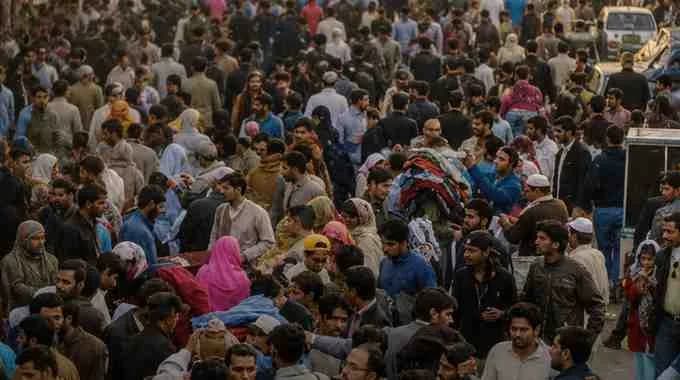
Pakistan Population May Reach 390 Million by 2050: What It Really Means for the Country’s Future
Pakistan is heading toward a population milestone that could completely reshape the country’s economy, infrastructure, and daily life. According to demographic projections, the country’s population may climb close to 390 million by 2050. That number is massive, especially when you compare it with current estimates and the pressure already visible in major cities.
The discussion around population growth often becomes emotional or political, but the reality is more practical. More people mean more demand for jobs, schools, hospitals, transport, food, electricity, and housing. In many cases, governments struggle not because the population grows, but because planning fails to grow alongside it.
Right now, Pakistan’s urban centers are already feeling the impact. Karachi’s traffic, Lahore’s pollution, and water shortages in several regions are clear signs that the system is under stress. If the country does not prepare early, the challenges could become much bigger by 2050.
At the same time, population growth is not automatically bad. Countries with young populations can benefit economically if they invest in education, technology, and employment opportunities. That is where the real debate begins.
Pakistan Population 2025: Where Things Stand Today
Current estimates suggest that Pakistan’s population in 2025 is expected to cross around 250 million people. That places Pakistan among the world’s largest nations by population.
A few things are driving this rapid increase:
High birth rates
Better medical access in some regions
Longer life expectancy
Limited family planning awareness
Rural population expansion
One common mistake people make is assuming population growth only affects poor communities. In reality, every class feels the impact. Middle-income families face rising rents, crowded schools, higher transport costs, and shrinking job opportunities.
From experience, you can already notice the difference in major Pakistani cities compared to even ten years ago. Roads are busier, property prices have surged, and competition for employment has intensified dramatically.
Why Urban Areas Are Expanding So Fast
Cities continue to attract people because rural areas often lack:
Stable employment
Healthcare facilities
Universities
Modern infrastructure
Business opportunities
As a result, migration toward urban centers continues rapidly.
Karachi alone absorbs thousands of new residents every month. This puts enormous pressure on public transport, electricity systems, drainage, and housing societies.
Why Pakistan Population May Reach 390 Million by 2050
Population experts use fertility trends, mortality rates, migration data, and economic conditions to estimate future growth. Based on current patterns, Pakistan could approach 390 million people by 2050.
That would make it one of the most populated countries in the world.
The Numbers Behind the Projection
Here’s a simplified comparison:
YearEstimated Population2000Around 140 million2025Around 250 million2050Nearly 390 million
That means Pakistan could add over 140 million more people within roughly 25 years.
To put that into perspective, that increase alone would be larger than the entire population of many countries.
What Experts Are Concerned About
The concern is not just population size. It is whether economic growth can keep pace.
Areas experts frequently mention include:
Healthcare Pressure
Pakistan’s healthcare system already faces challenges in rural districts and public hospitals.
More population could mean:
Overcrowded hospitals
Medicine shortages
Longer waiting times
Increased disease outbreaks
Higher maternal healthcare demand
Education Crisis
Millions of additional children will need:
Schools
Qualified teachers
Digital education access
Technical training institutes
Without investment, literacy and educational quality may decline further.
Housing and Infrastructure
Housing demand could skyrocket.
In many cases, rapid population growth leads to:
Informal settlements
Overcrowded apartments
Rising property prices
Traffic congestion
Weak public transport systems
Karachi already offers a preview of what unmanaged urban growth can look like.
Pakistan Population 2100: What Could Happen Next?
Some long-term forecasts suggest Pakistan’s population may continue growing through the end of the century before stabilizing.
The exact number varies depending on future birth rates and economic development, but several international projections estimate Pakistan population 2100 figures could remain extremely high even after growth slows.
This raises an important question:
Can Pakistan convert its population into an economic advantage?
Countries like China and India benefited from large workforces during periods of industrial growth. However, that only worked because they invested heavily in:
Manufacturing
Education
Infrastructure
Technology
Workforce training
Without those investments, a large population can become an economic burden instead of a strength.
The Youth Factor
Pakistan has one major advantage: a very young population.
A younger workforce can drive:
Entrepreneurship
Tech startups
E-commerce growth
Freelancing industries
Digital services
Pakistan’s freelancing market is already growing rapidly, especially among young people working online.
But this opportunity depends heavily on internet access, skill development, and economic stability.
India Population 2050 Comparison: Why Pakistan Is Often Compared to India
Whenever population discussions happen in South Asia, comparisons with India naturally come up.
India population 2050 projections suggest India will remain the world’s most populated country, although growth rates are slowing more quickly compared to Pakistan.
Key Differences Between Pakistan and India
FactorPakistanIndiaPopulation Growth RateFasterSlowerUrban InfrastructureUnder pressureExpanding rapidlyEconomic SizeSmaller economyMajor global economyTech SectorGrowingHighly developedManufacturing BaseLimitedStronger
India’s advantage comes largely from long-term investment in technology, education, and industrial growth.
Pakistan still has time to improve, but delays in planning could make future challenges harder to control.
One thing many analysts overlook is that population alone does not determine success. Governance, policy decisions, and economic planning matter far more.
Real Problems Ordinary Pakistanis May Face by 2050
Population discussions can sound abstract until you connect them with daily life.
Here are realistic challenges ordinary families could face if growth continues without proper planning.
Rising Cost of Living
More people often increase demand faster than supply.
This can affect:
Food prices
Rent
Fuel costs
School fees
Transportation
Families already struggling with inflation may find future living expenses even harder to manage.
Water Scarcity
Pakistan is already among the countries facing serious water stress.
More population means:
Higher water consumption
Greater agricultural demand
Increased pressure on reservoirs
Possible regional shortages
From experience, water tanker dependency in cities like Karachi shows how serious this issue already is.
Job Competition
Every year, millions of young Pakistanis enter the job market.
If industries fail to expand at the same pace, unemployment and underemployment may increase significantly.
This could also accelerate brain drain, where skilled professionals leave the country for better opportunities abroad.
Can Pakistan Turn Population Growth Into an Opportunity?
Yes, but only with serious long-term planning.
Population growth can become beneficial when countries invest in people instead of simply reacting to rising numbers.
Areas Pakistan Must Prioritize
Education Reform
The country needs:
Better public schools
Technical training
Digital literacy
Affordable universities
Modern economies depend more on skills than raw labor numbers.
Women’s Empowerment
Studies consistently show that improving women’s education and healthcare naturally helps stabilize population growth over time.
It also improves family income and child welfare.
Technology and Freelancing
Pakistan’s digital economy has strong potential.
Freelancing, software development, AI services, and online businesses could create millions of opportunities for young people if internet infrastructure improves.
Urban Planning
Future cities must include:
Efficient transport
Affordable housing
Water management systems
Renewable energy solutions
One overlooked issue is that many Pakistani cities continue expanding without long-term planning. That creates problems that become expensive to fix later.
What Global Experts Often Miss About Pakistan
International reports usually focus heavily on statistics, but they sometimes ignore local realities.
Pakistan has:
Strong family support systems
A growing digital youth culture
High entrepreneurial potential
Increasing internet adoption
These factors matter.
In many cases, countries with younger populations can recover economically faster than aging societies, especially if they adapt to technology quickly.
However, optimism alone is not enough. Economic reforms, political stability, and institutional improvements remain essential.
Public Reaction and Social Concerns
Population growth has become a serious topic on Pakistani social media platforms.
Many people express concerns about:
Inflation
Housing shortages
Traffic congestion
Water crises
Lack of employment opportunities
Others argue that population should not be viewed negatively if the country develops economically.
Both sides have valid points.
The real issue is not simply how many people Pakistan has. It is whether the country can create enough opportunity, infrastructure, and stability to support future generations.
Final Thoughts
The possibility that Pakistan population may reach 390 million by 2050 is more than just a statistic. It is a warning sign and an opportunity at the same time.
If Pakistan improves education, expands economic opportunities, modernizes infrastructure, and invests in young people, its large population could become a major national strength.
If planning continues to lag behind growth, the country may face deeper challenges involving unemployment, inflation, healthcare pressure, and resource shortages.
From experience, countries rarely collapse because of population alone. Problems usually emerge when leadership, infrastructure, and economic systems fail to adapt fast enough.
The next two decades will likely determine which direction Pakistan takes.
Article Details
Category: News
Published:
Updated:
Author: Rabia
More Stories