Transport Fares Rise 5 to 10 Percent Increase PK
Rising Transport Costs in Lahore
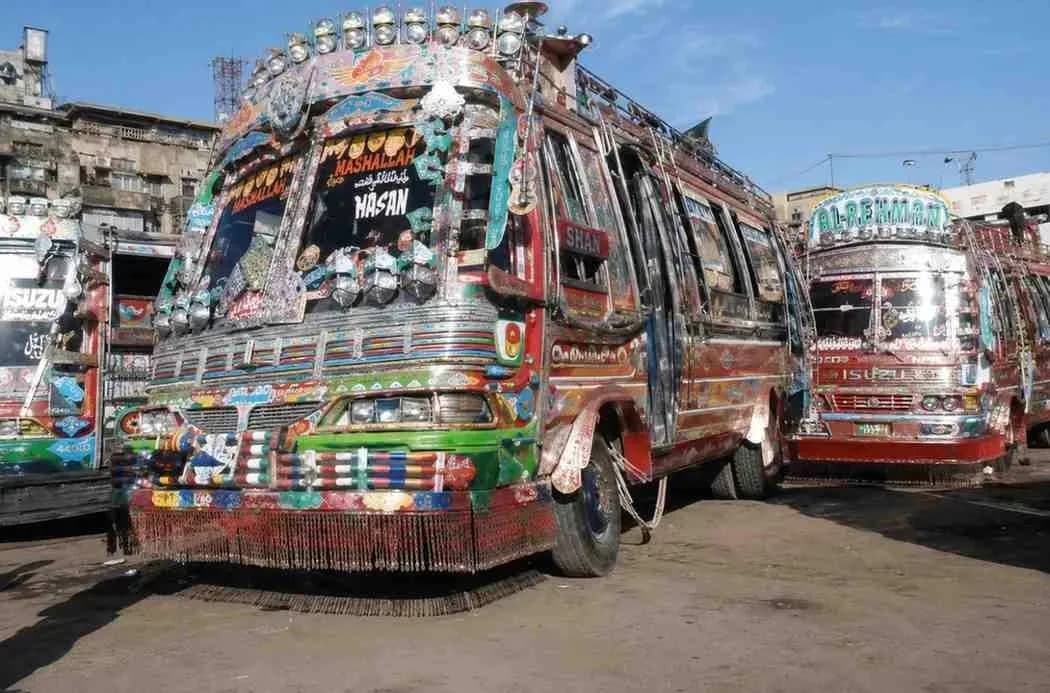
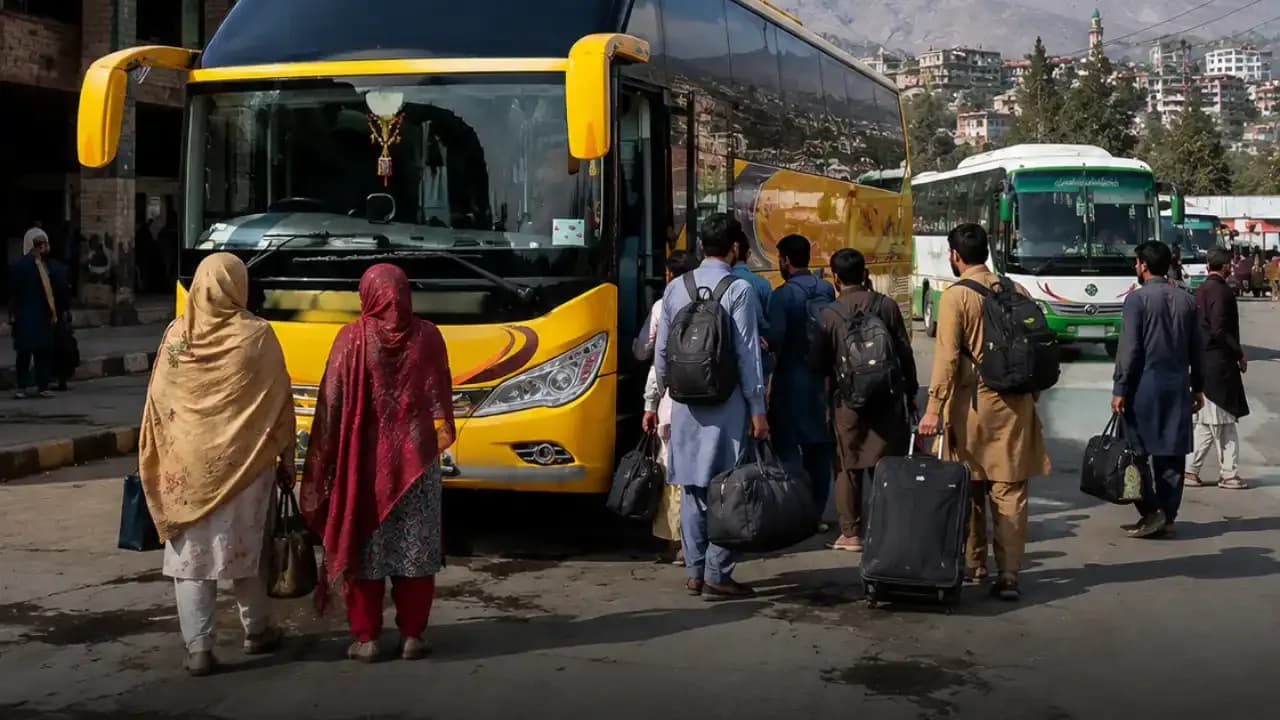
The recent Lahore Transport Fares Rise 5 to 10 Percent Increase PK has once again brought the issue of inflation and daily commuting costs into the spotlight. In Lahore, where millions rely on public buses, vans, and goods carriers every single day, even a small fare adjustment can create a noticeable financial impact.
In many cases, commuters don’t immediately feel the change until they actually start traveling the next day. A student going to university, a worker heading to the factory, or a small shop owner receiving goods deliveries all suddenly realize their daily expenses have gone up.
From experience, transport fare increases are not just numbers on paper. They directly affect household budgets, business margins, and even the price of everyday items in the market.
Lahore transport fares increase and what has changed
Public Transport Fare Hike in Lahore
The public transport fare hike Lahore is reported to be around 5 percent. This affects buses, vans, and shared transport services operating within the city.
For example:
A daily commuter paying Rs. 100 per trip may now pay around Rs. 105
Students and office workers traveling twice a day feel the difference monthly
Long-route passengers face higher cumulative costs
One common mistake people make is underestimating how small daily increases add up over a month. A Rs. 5 increase per trip can easily become Rs. 300 to Rs. 600 extra per month per person.
Goods Transport Charges Increase Pakistan
Alongside passenger transport, goods transport charges increase Pakistan has also been confirmed with hikes reaching up to 10 percent.
This includes:
Cargo trucks transporting goods between cities
Local delivery vans within Lahore
Wholesale supply chains moving daily products
A shopkeeper who previously paid Rs. 2,000 for delivery may now pay Rs. 2,200 or more depending on distance and fuel consumption.
In real-world terms, this doesn’t just affect transporters. It indirectly impacts grocery prices, construction material costs, and even online shopping delivery charges.
Transport price hike Lahore: Why is this happening?
Fuel Price Impact Transport Fares
The biggest reason behind the transport price hike Lahore is fuel cost volatility. Diesel and petrol prices play a direct role in determining transport fares.
When fuel prices rise:
Transporters reduce profit margins
Maintenance costs increase
Route efficiency becomes harder to manage
From experience, transport operators usually try to absorb costs first, but when fuel prices remain high for a longer period, fare adjustments become unavoidable.
Inflation Transport Cost Pakistan
The broader issue is inflation transport cost Pakistan. Inflation is not limited to fuel alone. It spreads across:
Spare parts and maintenance
Vehicle tires and batteries
Labor wages for drivers and helpers
Road toll taxes and permits
In many cases, transport companies operate on very thin margins. Even a slight increase in any of these areas forces them to revise fares.
Operational Pressure on Transporters
Transport businesses in Lahore also face:
Frequent vehicle repairs due to road conditions
Rising insurance costs
Increasing competition in logistics sector
One common observation in the industry is that smaller transport operators are the most affected. Larger companies can sometimes negotiate fuel contracts, but small van owners cannot.
Lahore commuters fare increase: Real impact on daily life
Impact on Students and Office Workers
The Lahore commuters fare increase is most visible among students and salaried employees.
For example:
Students commuting to universities may cut down extra activities to save travel costs
Office workers may reconsider multiple trips in a day
Some people may shift to shared rides or bicycles where possible
In many cases, people don’t change their routine immediately, but they start adjusting their lifestyle gradually.
Impact on Small Businesses
Small businesses are also heavily affected. When delivery costs rise:
Retail prices increase
Profit margins shrink
Customers feel indirect inflation
A bakery, for example, receiving daily supplies may see monthly costs rise significantly. This eventually reflects in product prices.
Cargo Transport Charges Rise Lahore and Supply Chain Effect
The cargo transport charges rise Lahore is not just a transport issue; it is a supply chain issue.
When logistics becomes expensive:
Food items in markets become costlier
Construction projects face higher material costs
Manufacturing units adjust product pricing
From experience, this chain reaction is often delayed, meaning people notice inflation weeks after the transport hike is announced.
Public reaction and real-world concerns
Growing Public Pressure
People in Lahore have expressed concern over repeated fare increases. Social discussions often highlight that salaries are not increasing at the same pace as transport costs.
A common sentiment seen in public discussions (similar to what users share on platforms like Quora-style forums) is:
“If everything keeps increasing except income, how are we supposed to manage monthly expenses?”
Possible Government Response
While transport associations justify increases due to fuel and operational costs, there is always pressure on authorities to:
Monitor fare regulations
Control unnecessary price spikes
Provide fuel subsidies or relief programs
However, in practical terms, enforcement is often inconsistent, especially in large urban networks.
Comparison with broader transport trends
International Perspective (USA Example)
In many US cities, public transport systems also adjust fares based on fuel and operational costs. However, the difference is that subsidies play a stronger role there.
For example:
Cities like New York or Los Angeles often adjust fares gradually
Government subsidies help stabilize sudden spikes
Digital ticketing systems improve transparency
In Lahore’s case, fare adjustments tend to feel more sudden because subsidy support is limited and fuel price changes are more directly passed to consumers.
What can commuters do to manage costs?
Practical Tips for Daily Travelers
If you are affected by the Lahore transport fares increase, here are some practical strategies:
Use shared transport where possible
Plan trips to reduce unnecessary travel
Combine errands into one trip
Explore monthly travel passes if available
Consider hybrid options like walking short distances
These may seem small steps, but over time they can significantly reduce monthly expenses.
Smart Choices for Businesses
For businesses dealing with logistics:
Negotiate long-term contracts with transporters
Optimize delivery routes
Use bulk transportation instead of frequent small shipments
From experience, companies that plan logistics strategically usually handle inflation better than those reacting late.
Future outlook: What lies ahead?
The Lahore Transport Fares Rise 5 to 10 Percent Increase PK may not be the last adjustment. If fuel prices remain unstable and inflation continues, further changes are possible.
However, there is also hope that:
Digital transport management systems will improve efficiency
Government policies may stabilize fuel pricing
Competition among transporters may balance fares over time
In the long run, sustainable transport planning is essential for controlling urban inflation and ensuring affordability for the public.
Conclusion
The latest fare increase in Lahore reflects a broader economic challenge affecting not just transport, but the entire supply chain and daily life. While the rise of 5 to 10 percent may seem small, its real impact spreads across commuters, businesses, and markets.
Understanding the reasons behind it helps people adjust better and plan smarter. At the same time, there is a growing need for balanced policies that protect both transport operators and the general public.
If managed properly, Lahore can move towards a more stable and efficient transport system that supports both economic growth and affordability.
Article Details
Category: News
Published:
Updated:
Author: Rabia
More Stories