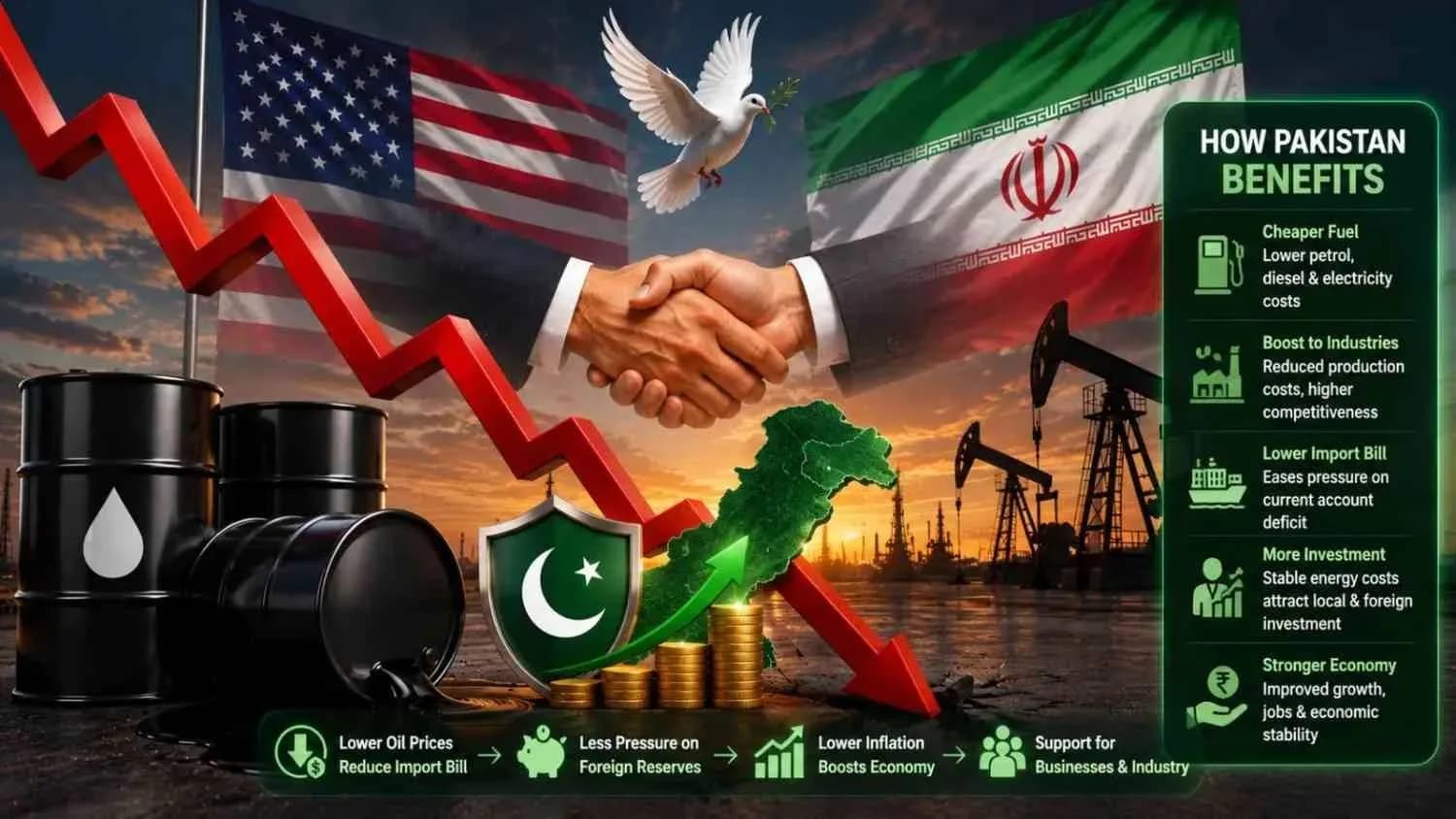
Pakistan’s Energy Shift: Why Domestic Resources Are Becoming a National Priority
Can a country truly secure its economic future while relying heavily on imported energy? That question is becoming increasingly important for Pakistan as global fuel markets remain volatile and domestic energy demand continues to rise.
The country's energy planners, policymakers, and industry stakeholders are placing renewed emphasis on local resource development amid concerns that dependence on imported oil, liquefied natural gas (LNG), and coal could expose the economy to greater financial and supply-chain risks. As foreign exchange pressures persist and domestic gas reserves gradually decline, the conversation is shifting from short-term fuel procurement to long-term energy resilience.
The focus on the Pakistan Energy Sector Domestic Resources strategy comes at a time when energy security has become closely linked with economic stability, industrial competitiveness, and investor confidence.
Why Import Dependence Is Becoming a Growing Concern
Pakistan has historically relied on a mix of imported and indigenous energy sources. However, international energy markets have become increasingly unpredictable in recent years due to geopolitical tensions, shipping disruptions, and fluctuating commodity prices.
For an import-dependent economy, these external shocks can quickly translate into higher electricity generation costs, rising fuel bills, and pressure on foreign exchange reserves.
In many cases, imported fuel costs act like a household that must purchase drinking water every day despite having access to a well that only needs maintenance. The daily expense may seem manageable at first, but over time it becomes a significant financial burden.
Energy economists argue that reducing exposure to global fuel price swings could help Pakistan create a more stable environment for businesses and consumers alike.
Domestic Resources Back in the Spotlight
Pakistan possesses a diverse range of energy resources, including natural gas, hydropower potential, solar energy, wind corridors, coal reserves, and emerging opportunities in alternative fuels.
Government institutions and energy planners are increasingly emphasizing exploration activities, renewable energy expansion, and infrastructure upgrades to maximize local production capacity.
Several ongoing initiatives aim to:
- Increase indigenous gas exploration and recovery.
- Expand solar and wind generation capacity.
- Improve transmission infrastructure.
- Enhance hydropower utilization.
- Reduce inefficiencies across the energy value chain.
While imported fuels are expected to remain part of the energy mix, policymakers appear determined to ensure domestic resources play a larger role over the coming decade.
The Growing Role of Renewable Energy
Renewable energy is emerging as one of the most promising components of Pakistan's long-term energy strategy. Solar installations are expanding across residential, commercial, and industrial sectors, while wind projects continue to gain traction in coastal regions.
From experience, one common mistake people make is assuming renewable energy is only an environmental issue. In reality, it is increasingly becoming an economic issue. Every additional megawatt generated from local renewable sources can potentially reduce pressure on fuel imports and foreign exchange spending.
Businesses are also exploring captive solar systems to offset rising grid electricity costs, creating a new layer of energy independence at the corporate level.
Pakistan’s Current Energy Mix at a Glance
| Energy Source | Role in Energy Mix | Key Challenge |
|---|---|---|
| Natural Gas | Major domestic fuel source | Declining reserves |
| Imported LNG | Supports energy demand | Price volatility |
| Hydropower | Low-cost renewable generation | Seasonal variability |
| Solar & Wind | Fast-growing renewable segment | Grid integration needs |
| Imported Oil | Transport and industrial fuel | Foreign exchange burden |
What This Means for Industry and Consumers
The push toward local energy development carries significant implications for businesses and households.
Industries often cite energy costs as one of the most important factors affecting competitiveness. Greater reliance on domestic energy production could improve cost predictability and reduce exposure to international fuel market disruptions.
For consumers, the benefits may not appear overnight. However, a more balanced energy portfolio could contribute to greater stability in electricity generation and potentially ease some of the financial pressures associated with imported fuel costs.
Investors are also paying close attention. Countries that demonstrate progress in energy security often become more attractive destinations for manufacturing, infrastructure, and industrial investment.
Opportunities and Challenges Ahead
The transition toward stronger utilization of domestic resources presents substantial opportunities, but it is not without obstacles.
Exploration projects require significant capital investment. Renewable energy expansion demands upgrades to transmission networks. Hydropower projects often involve lengthy development timelines.
At the same time, the potential rewards are considerable. Reduced import dependency, improved energy security, stronger industrial productivity, and enhanced economic resilience remain key objectives.
The broader success of the Pakistan Energy Sector Domestic Resources initiative will ultimately depend on policy consistency, private-sector participation, and continued investment in infrastructure.
Quick Facts
- Pakistan continues to diversify its energy mix through renewable and conventional sources.
- Imported fuels remain a significant contributor to national energy consumption.
- Solar and wind projects are gaining momentum across multiple regions.
- Energy security is increasingly viewed as a critical component of economic stability.
Closing Thought
Pakistan's renewed focus on indigenous energy development reflects a broader effort to build resilience in an increasingly uncertain global environment. While imported fuels will remain part of the equation for the foreseeable future, the country's long-term strategy appears increasingly centered on maximizing local resources and strengthening energy security.
The journey will require sustained investment, regulatory consistency, and technological innovation. If executed effectively, it could help create a more balanced energy landscape that supports economic growth while reducing exposure to external shocks.
(Source: The Express Tribune, Institute of Cost and Management Accountants of Pakistan (ICMA) SWOT Analysis Report)
Article Details
Category: Industry
Published:
Author: Muhammad Anus
More Stories