Pakistan Eyes 2% GDP Surplus as IMF Budget Talks Heat Up
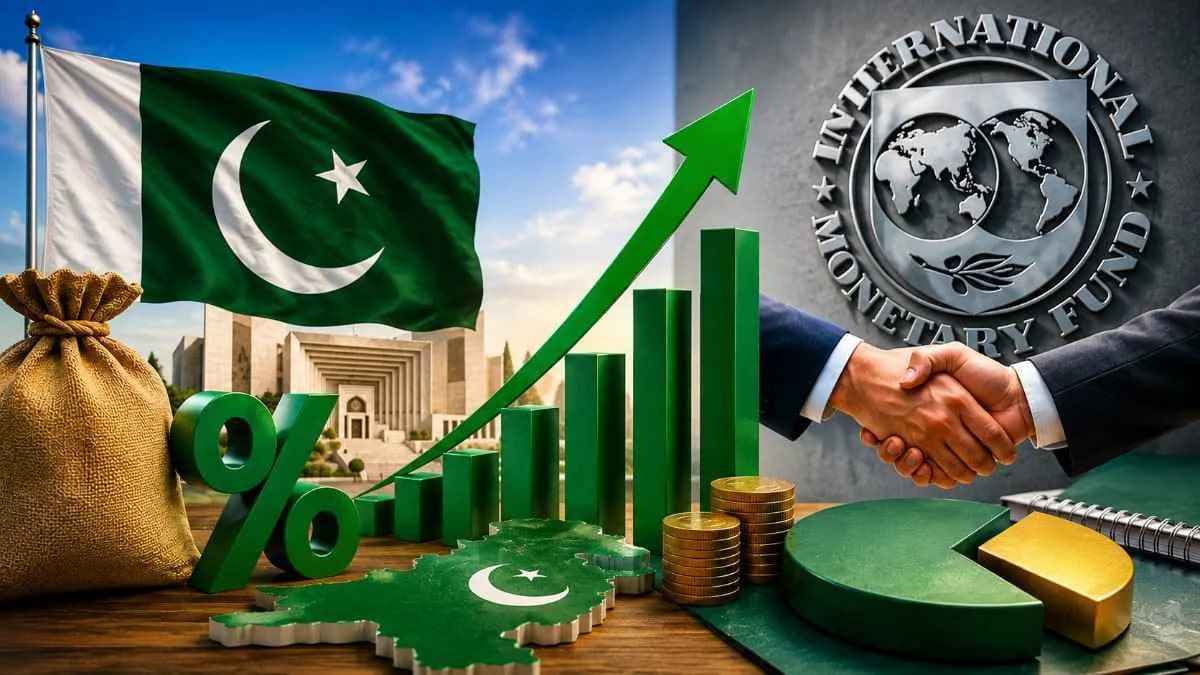
Can Pakistan control spending without putting more pressure on ordinary households? That question is now central to ongoing reform discussions as the country targets a primary budget surplus equal to 2% of GDP under its IMF-backed fiscal roadmap.
What the 2% Surplus Target Means
Pakistan’s commitment to a 2% GDP budget surplus means the government wants its revenues to exceed non-interest spending by a clear margin. This target is linked to fiscal discipline, debt control, and continued progress under IMF reform talks.
For policymakers, the target signals confidence. For citizens, it raises a practical concern: how will the government increase revenue while protecting low-income families from fresh price shocks?
IMF Talks Focus on Taxes and Spending
The ongoing discussions are expected to focus on tax collection, public spending, energy-sector reforms, and provincial fiscal management. In many cases, the real test is not announcing targets. The real test is implementation across federal and provincial levels.
Pakistan has often struggled with a narrow tax base. Salaried workers and documented businesses carry much of the load, while large parts of the economy remain outside regular taxation. One common mistake people make is assuming new taxes alone can fix the budget. Without better enforcement, leakages continue.
Key Budget Numbers at a Glance
Why Households Are Watching Closely
From experience, budget reforms look simple on paper but feel very different in the kitchen. If electricity bills rise, fuel becomes expensive, or indirect taxes increase, a middle-class family feels the hit before any spreadsheet shows improvement.
For example, a household already managing school fees, rent, groceries, and utility bills may treat every new tax like another stone added to a backpack. The family keeps walking, but the weight gets harder to carry each month.
What the Government Needs to Get Right
The government will need to balance fiscal targets with public affordability. Better tax administration can help more than simply increasing rates. Digital invoicing, stronger documentation, and action against tax evasion can reduce pressure on compliant citizens.
Spending discipline also matters. Development projects, subsidies, pensions, and debt servicing all shape the final budget picture. If reforms only target ordinary consumers, public confidence may weaken. If reforms widen the tax net fairly, the target becomes more realistic.
What Citizens Should Track
People should watch three areas in the upcoming budget cycle: changes in income tax slabs, electricity and gas pricing, and sales tax measures. Small business owners should also monitor documentation rules because compliance requirements may become stricter.
Families can prepare by reviewing monthly expenses, reducing avoidable debt, and keeping emergency savings where possible. These steps may sound basic, but they help when policy changes affect household budgets quickly.
Closing Thought
Pakistan’s 2% surplus target can support long-term stability if it is backed by fair taxation, controlled spending, and practical relief for vulnerable households. The success of IMF-linked reforms will depend on whether the government can protect people while fixing the numbers.
Quick Facts Box
- Pakistan is targeting a 2% primary surplus of GDP.
- The target is part of ongoing IMF reform discussions.
- Talks focus on taxes, spending, and fiscal discipline.
- Households may feel the impact through prices and bills.
Article Details
Category: Investment
Published:
Author: Muzamil Ahmad
More Stories