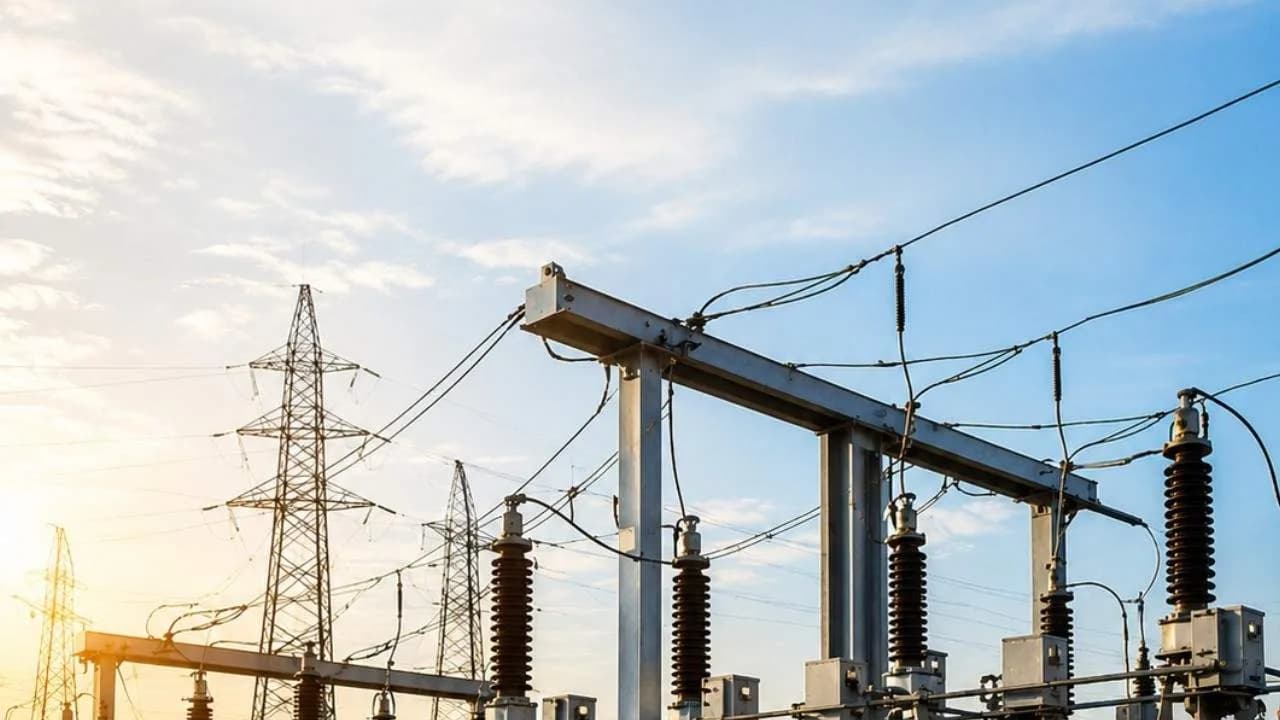
PC Invites Eols For Power Companies Strategic Sell-Off
PC Opens Door for Strategic Sell-Off of Power Firms
Can Pakistan finally reduce the financial pressure caused by its struggling power sector? The government appears ready to take another major step as the Privatization Commission moves ahead with plans to bring private investors into state-owned power companies.
EOIs Invited for Strategic Transactions
The Privatization Commission (PC) has formally invited Expressions of Interest (EOIs) from investors and financial groups for the strategic sell-off of selected power distribution companies. The move is part of a broader reform agenda aimed at improving efficiency, reducing losses, and easing pressure on the national treasury.
In many cases, state-owned power entities have struggled with outdated infrastructure, poor recovery rates, and rising circular debt. Officials believe private sector participation could introduce stronger management practices and fresh investment.
From experience, one common mistake people make is assuming privatization only affects large corporations. In reality, the impact reaches ordinary households. When distribution losses continue to grow, electricity bills eventually become heavier for consumers, much like a leaking water tank that keeps increasing the monthly utility bill no matter how carefully a family tries to save.
Why the Government Is Pushing This Plan
Pakistan’s energy sector has remained under financial strain for years. Distribution companies regularly face recovery shortfalls and technical losses that cost billions annually. The government has repeatedly signaled that structural reforms are necessary to stabilize the sector.
The latest EOI invitation suggests authorities want to accelerate the process rather than delay difficult decisions. Analysts say strategic investors could help modernize operations, improve billing systems, and reduce theft-related losses.
| Area | Current Challenge | Expected Improvement |
|---|---|---|
| Billing Recovery | Low collection rates | Better enforcement systems |
| Infrastructure | Outdated transmission networks | Private investment upgrades |
| Financial Losses | Rising circular debt | Improved operational efficiency |
Investors Likely to Watch Regulatory Stability
While the opportunity may attract local and foreign interest, investors will closely examine regulatory consistency and policy continuity before making long-term commitments. Energy sector reforms often require stable tariff structures and predictable governance.
Industry experts also point out that transparency during the bidding and evaluation process will be critical. Private investors typically avoid markets where regulatory uncertainty creates unexpected financial risks.
What This Means for Consumers
For consumers, the immediate impact may not be visible overnight. However, supporters of privatization argue that improved operational efficiency can eventually reduce outages, improve service quality, and control financial leakages.
Still, public concerns around tariff adjustments and accountability are expected to remain part of the debate. Much will depend on how future agreements are structured and monitored.
Closing Thought
The government’s latest move signals that power sector reform remains high on the economic agenda. Whether the strategic sell-off delivers meaningful improvement will depend on execution, investor confidence, and long-term policy stability. For millions of electricity users across Pakistan, the real test will be whether these reforms translate into better service and a more sustainable energy system.
Quick Facts
- Privatization Commission has invited EOIs for selected power firms
- Move aims to reduce financial pressure on the energy sector
- Private investors may help modernize infrastructure and billing systems
- Energy sector reforms remain linked to circular debt reduction goals
Article Details
Category: Business
Published: 20 May 2026
Time: 4:12 pm
Author: Muhammad Anus
More Stories