Samsung Workers Face Divided Vote Over Controversial Pay Agreement
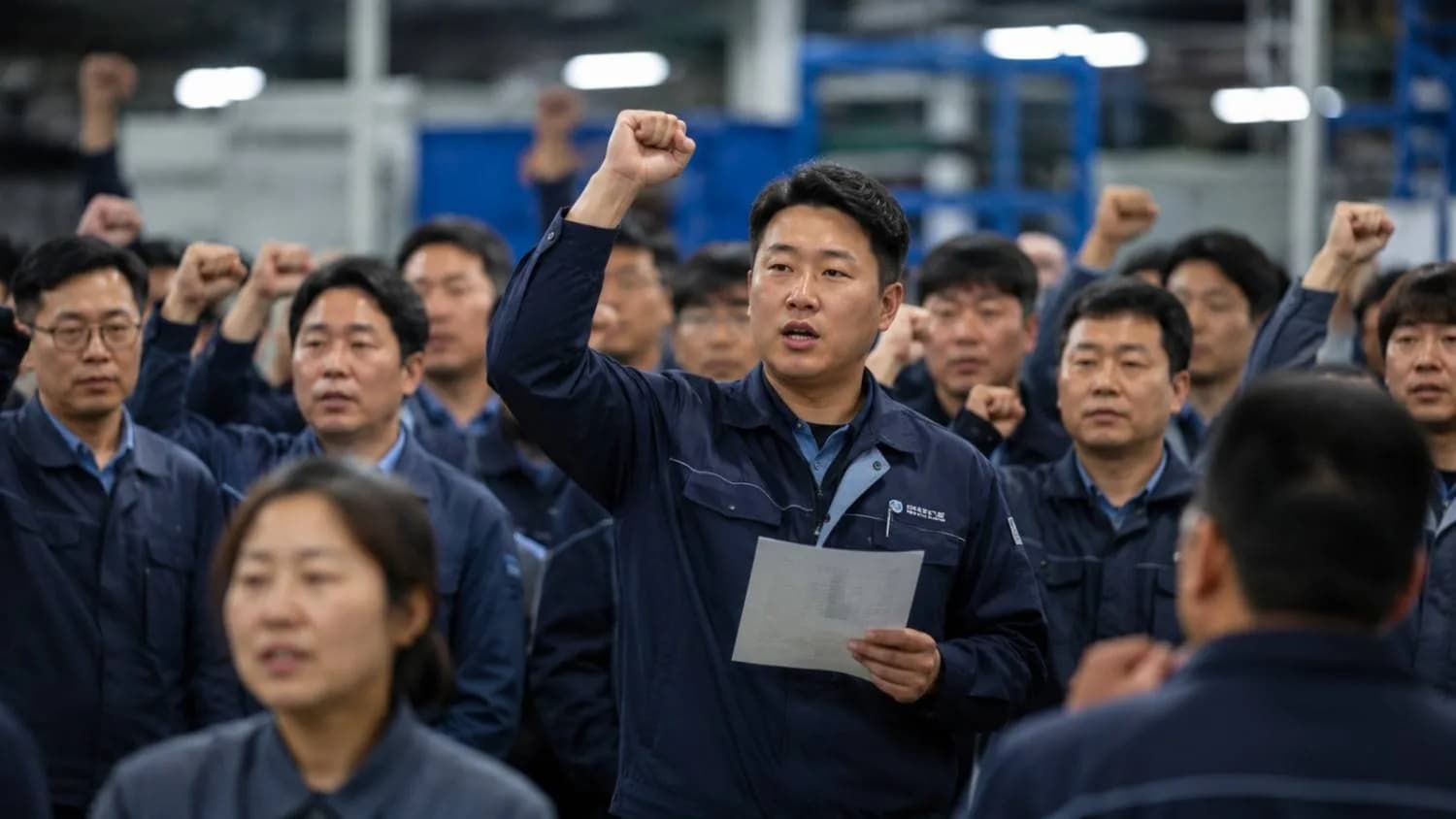
Samsung Workers Face Divided Vote Over Controversial Pay Agreement
Samsung Workers Face Divided Vote Over Controversial Pay Agreement
What happens when one of the world’s biggest tech giants struggles to convince its own workforce? That question is now hanging over Samsung as thousands of employees weigh a crucial pay agreement that has triggered growing frustration inside the company.
The latest labor vote at Samsung Electronics has become more than a routine wage negotiation. It reflects a deeper shift in workplace expectations across South Korea’s technology sector, where employees are demanding stronger compensation, fairer bonus systems, and more transparency from management.
For Samsung, the outcome matters far beyond payroll numbers. The company is already navigating slowing semiconductor demand, rising global competition, and pressure from Chinese manufacturers in several markets. A divided workforce only adds another layer of uncertainty.
Why Samsung Workers Are Opposing the Deal
The proposed pay agreement was introduced after lengthy discussions between Samsung management and labor representatives. While the package reportedly includes wage increases and benefit adjustments, a large segment of employees believes the offer falls short of expectations.
Many workers argue that Samsung’s profits during previous strong business cycles should translate into better long-term compensation. In many cases, employees say bonuses have become unpredictable and too closely tied to fluctuating market conditions.
Workers in the semiconductor division appear especially frustrated. Chip employees often face intense workloads, long development cycles, and high-pressure production targets. Several labor representatives have publicly pushed for a more stable reward structure instead of temporary incentives.
One common mistake people make is assuming employees at major technology firms are automatically satisfied because salaries appear high on paper. The reality is often more complicated. Housing costs, inflation, education expenses, and rising living standards continue to put pressure on middle-class families across Asia.
For many workers, financial strain today feels similar to trying to fill a leaking water tank. Salaries may rise gradually, but daily expenses continue climbing even faster. That gap creates frustration, especially inside large corporations that still report billions in revenue.
The Growing Role of Labor Unions at Samsung
Samsung has historically maintained a complicated relationship with organized labor. For decades, labor union activity within the company remained relatively limited compared to some other South Korean industrial giants.
That environment has changed rapidly in recent years.
Employee unions at Samsung have gained visibility and influence, particularly after a series of public disputes involving compensation, workplace culture, and management practices. Younger workers entering the company also appear more willing to support collective bargaining efforts than earlier generations.
From experience, labor disputes inside major technology firms rarely revolve around salary alone. Employees increasingly want clearer career progression, flexible work arrangements, and transparent communication from leadership teams.
The current vote has therefore become symbolic. It represents a test of whether Samsung can maintain internal stability while adapting to changing workforce expectations.
Employee Sentiment Has Shifted
Several analysts tracking South Korea’s labor market believe worker expectations changed significantly after the pandemic years. Employees across many industries began reassessing work-life balance, compensation fairness, and job security.
At Samsung, these concerns have become more visible because the company operates in highly competitive global sectors where performance pressure remains constant.
Some workers reportedly feel the proposed deal does not properly reflect the company’s long-term achievements. Others argue management should prioritize stronger fixed salary growth rather than variable bonuses linked to market cycles.
How This Could Impact Samsung’s Global Business
Samsung’s internal labor tensions are attracting global attention because the company plays a major role in the worldwide electronics supply chain.
The South Korean technology giant remains one of the largest producers of semiconductors, smartphones, memory chips, televisions, and consumer electronics. Any prolonged disruption inside its workforce could influence production schedules and strategic planning.
Although there is currently no indication of major operational shutdowns, investors are watching the situation closely. Financial markets generally dislike uncertainty, especially when labor disagreements emerge during periods of global economic pressure.
Samsung is already competing aggressively with Chinese technology firms while also facing strong rivalry in advanced chip manufacturing from companies in Taiwan and the United States.
Maintaining employee morale therefore becomes increasingly important.
Pressure on Semiconductor Operations
The semiconductor business remains central to Samsung’s future growth strategy. Artificial intelligence, data centers, automotive electronics, and cloud computing continue driving demand for advanced chips worldwide.
However, semiconductor production requires highly specialized workers. Skilled engineers and technical staff are difficult to replace quickly.
If dissatisfaction continues rising, Samsung could face challenges retaining experienced talent. Rival firms across Asia and North America are actively searching for semiconductor professionals, often offering attractive compensation packages.
That competitive environment strengthens the bargaining power of workers.
What Workers Are Actually Demanding
Employee groups connected to the dispute are reportedly focusing on several key issues beyond standard salary increases.
| Issue | Worker Concerns | Potential Company Challenge |
|---|---|---|
| Base Salary | Workers want stronger guaranteed annual growth | Higher long-term labor costs |
| Bonus Structure | Employees seek predictable incentives | Reduced flexibility during weak market periods |
| Work-Life Balance | Concerns over workload and overtime pressure | Operational scheduling adjustments |
| Communication | Calls for greater transparency from leadership | Need for stronger labor-management coordination |
Industry experts say these concerns mirror broader workplace trends across global technology companies. Employees are increasingly evaluating companies not just on pay, but also on organizational culture and long-term stability.
South Korea’s Changing Corporate Culture
The situation at Samsung also reflects broader changes within South Korea’s corporate environment.
Traditional workplace structures in the country have often emphasized hierarchy, loyalty, and long working hours. Younger employees, however, are gradually pushing for different standards.
Flexible working arrangements, stronger employee protections, and clearer compensation systems are becoming more important to modern workers.
This generational shift is forcing major corporations to rethink how they manage talent.
In many cases, companies that fail to adapt risk losing skilled professionals to competitors or overseas employers. Technology workers today have more global mobility than ever before.
Investors Are Watching Closely
While labor negotiations may appear like internal corporate matters, they often influence investor confidence.
Shareholders generally prefer stable labor relations because disputes can create uncertainty around productivity, delivery schedules, and long-term strategic execution.
Samsung’s leadership must therefore balance financial discipline with employee expectations.
Offering large compensation increases could affect profitability during weaker business cycles. Yet failing to address worker concerns could damage morale and retention.
That balancing act has become one of the biggest management challenges facing global technology firms today.
Can Samsung Avoid Long-Term Damage?
The current vote does not necessarily mean Samsung faces a prolonged labor crisis. Large corporations frequently experience internal disagreements during compensation negotiations.
Still, the visibility of employee opposition sends an important message.
Workers are increasingly willing to challenge management decisions publicly, especially when they believe compensation no longer reflects workload or company performance.
Samsung’s response in the coming weeks may shape employee trust for years.
Analysts believe the company could eventually revisit parts of the agreement if opposition remains strong. Management may also attempt to improve communication with labor representatives to reduce tensions.
One thing is becoming clear across the technology industry: employee expectations are changing faster than many corporations anticipated.
Quick Facts
- Samsung workers are voting on a controversial pay agreement
- Employee opposition centers on wages, bonuses, and workplace pressure
- Semiconductor staff are among the most vocal groups in the dispute
- Investors are monitoring the situation for potential business impact
Closing Thought
The outcome of Samsung’s labor vote could become an important reference point for the wider technology industry. Companies worldwide are learning that attracting talent is no longer enough. Retaining skilled workers now depends on trust, fairness, and long-term stability. Whether Samsung successfully rebuilds that balance may influence not only its workforce, but also how global corporations approach employee relations in the years ahead.
Article Details
Category: Business
Published: 22 May 2026
Time: 8:32 pm
Updated: 22 May 2026 at 8:45 pm
Author: Muhammad Anus
More Stories