
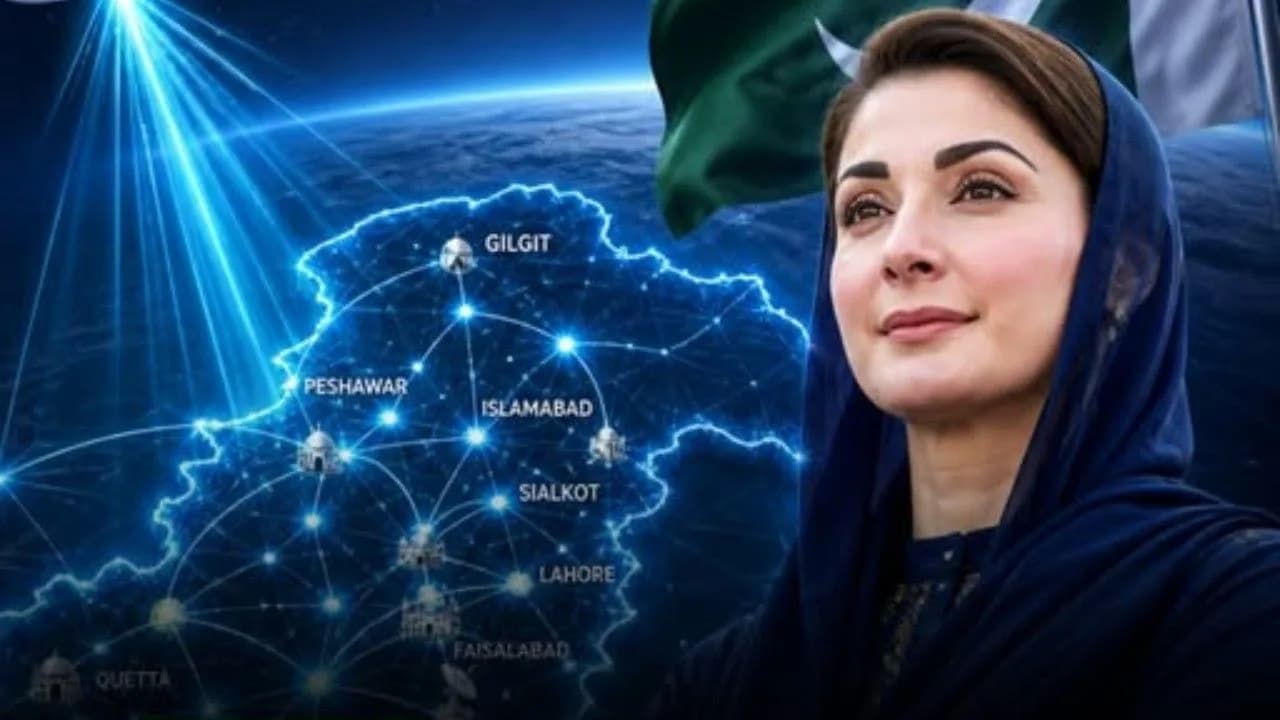
Satellite Internet for Digital Revolution How Space Connectivity is Changing the World
The idea of a digital revolution is no longer just about faster phones or better apps. It is deeply connected to something much bigger happening above our heads: satellite internet for digital revolution.
In many cases, people still think the internet depends only on fiber cables or mobile towers. From experience, that’s true for cities, but it completely falls apart when you look at rural areas, deserts, mountains, or disaster-hit zones. That is exactly where satellite-based connectivity is quietly reshaping the entire digital landscape.
Today, we are entering a phase where satellite internet technology is not just an alternative, it is becoming a core infrastructure for global connectivity.
What is Satellite Internet and Why It Matters Today?
At its core, satellite internet is an internet via satellite system that connects users through space-based satellites instead of traditional underground cables or mobile towers.
Here’s a simple breakdown:
A satellite in orbit receives signals from a ground station
It then beams data back to a dish installed at your home or office
That dish connects your device to the internet
It sounds simple, but the impact is massive.
One common mistake people make is assuming satellite internet is only for remote villages. In reality, it is now being used in ships, airplanes, military operations, and even temporary business setups.
For example, in the United States, remote workers in states like Montana or Alaska often rely on satellite connections when fiber broadband is not available. Similarly, emergency response teams use satellite systems during hurricanes when traditional networks fail.
That’s the real power of this technology.
The Role of Satellite Internet for Digital Revolution
The phrase satellite internet for digital revolution is not just a trend keyword. It represents a real shift in how the world connects.
Let’s break it down into real-world impact areas:
1. Education Access in Remote Regions
Students in rural areas often struggle with poor connectivity. Satellite internet removes that barrier completely.
Online classes become accessible anywhere
Educational resources are no longer limited by geography
Universities can reach global students without physical campuses
2. Healthcare and Telemedicine
Doctors can now consult patients in remote areas using video calls powered by satellite connections.
From experience, telemedicine platforms in rural Africa and parts of rural America have reduced treatment delays significantly.
3. Business Continuity
Companies no longer depend on a single internet infrastructure.
Backup connectivity during outages
Remote office setup in any location
Global operations without geographical limits
4. Disaster Recovery
When earthquakes, floods, or hurricanes damage fiber networks, satellite systems are often the first to restore communication.
That alone makes this technology extremely valuable for governments and NGOs.
How Satellite Internet Technology Actually Works
To understand the value of this system, we need to go slightly deeper into satellite internet technology.
There are two main types:
GEO (Geostationary Earth Orbit) Satellites
Located far from Earth
Cover large areas
Higher latency (slower response time)
LEO (Low Earth Orbit) Satellites
Much closer to Earth
Lower latency and faster speeds
Used by modern providers like Starlink-style systems
LEO systems are currently driving the biggest shift in global connectivity.
Why LEO is a Game-Changer
Faster response time for video calls and gaming
Better performance in rural areas
More scalable global coverage
However, there is a trade-off.
Requires large satellite constellations
Higher deployment cost
Weather interference still exists in some cases
Even then, the progress is impressive compared to older systems.
Global Satellite Internet: Who is Leading the Race?
The global satellite internet market is growing rapidly, and competition is becoming intense.
Let’s compare major approaches:
1. Traditional Satellite Providers
These companies have been around for years.
Strengths:
Reliable in basic connectivity
Wide coverage
Established infrastructure
Weakness:
High latency
Expensive packages
Limited speed for modern needs
2. New Generation LEO Providers
These include newer satellite constellations.
Strengths:
High-speed internet
Low latency
Better for streaming, gaming, and remote work
Weakness:
Still expanding coverage
Equipment cost is higher initially
3. Fiber and Mobile Networks (Competitors)
Even though they are not satellite-based, they are direct competitors.
Strengths:
Extremely fast in cities
Low latency
Stable connections
Weakness:
Not available in remote regions
Expensive infrastructure rollout
Slow deployment in developing areas
Key Insight
From experience and global trends, satellite internet is not replacing fiber. Instead, it is filling the gaps where fiber simply cannot reach.
Real-World Scenarios That Show the Shift
Let’s talk about real usage instead of theory.
Scenario 1: Remote Worker in Rural USA
A freelance developer living in Wyoming uses satellite internet because fiber is not available. Without it, he would have no access to global clients.
Scenario 2: Island Communities
Small island nations often depend on satellite systems for banking, communication, and education.
Scenario 3: Emergency Situation
During hurricanes in Florida, traditional networks fail. Satellite systems allow emergency teams to coordinate rescue operations instantly.
These examples show why internet via satellite system is becoming essential infrastructure, not just a backup.
Advantages of Satellite Internet in the Digital Era
Let’s simplify the benefits:
Key Advantages
Global coverage, even in remote locations
Quick deployment without digging cables
Reliable backup during network failures
Supports modern digital services
Additional Benefits
Enables global freelancing economy
Helps governments expand digital inclusion
Supports IoT and smart agriculture systems
One important thing to understand is that connectivity today equals opportunity. Without internet access, entire communities are digitally excluded.
Challenges You Should Know Honestly
No technology is perfect.
1. Cost Factor
Satellite internet equipment can still be expensive for average users.
2. Weather Sensitivity
Heavy rain or storms can sometimes affect signal quality.
3. Latency in Older Systems
Older satellite models still have noticeable delay.
4. Infrastructure Dependency
It depends heavily on satellite deployment density.
Being honest about these challenges builds trust, and in many cases, companies are already working to solve them.
Future of Satellite Internet for Digital Revolution
The future looks extremely promising.
We are moving toward a world where:
Internet coverage becomes truly global
Remote work becomes normal everywhere
Smart cities rely on hybrid connectivity systems
AI, IoT, and cloud computing expand without limits
From experience observing tech trends, the biggest shift is this: internet will no longer be tied to land infrastructure.
Instead, connectivity will come from a combination of fiber, 5G, and space-based systems working together.
That is the real digital revolution.
Final Thoughts
The rise of satellite internet for digital revolution is not just a technological upgrade. It is a structural change in how humans connect, work, and learn.
While traditional systems still dominate urban areas, satellite networks are quietly solving one of the biggest global problems: unequal internet access.
And that is where the real opportunity lies.
If implemented correctly, satellite internet technology can bridge the digital divide, unlock rural economies, and create a truly connected world.
The revolution is not coming.
Article Details
Category: Global
Published:
Updated:
Author: Aliya
More Stories