Ever stood at a bus stop, hospital, or university gate wishing you had free internet for one urgent message? That small need explains why public WiFi zones are again becoming part of Pakistan’s digital access debate.
Why Free WiFi Zones Are Getting Attention
Free WiFi Zones In Pakistan can help students, job seekers, patients, daily commuters, and small sellers who cannot always afford mobile data. Public WiFi is most useful in places where people need quick access, not full-day entertainment.
Punjab’s public WiFi program has already expanded in multiple phases. PITB says free WiFi hotspots were set up in Lahore, Rawalpindi, Faisalabad, Multan, Bahawalpur, and Murree, while newer public reports said Lahore’s service was expanded from 100 to 200 points in 2024. PTA has also reported Pakistan crossing 200 million telecom subscribers and 150 million broadband connections, showing how large the demand for connectivity has become.
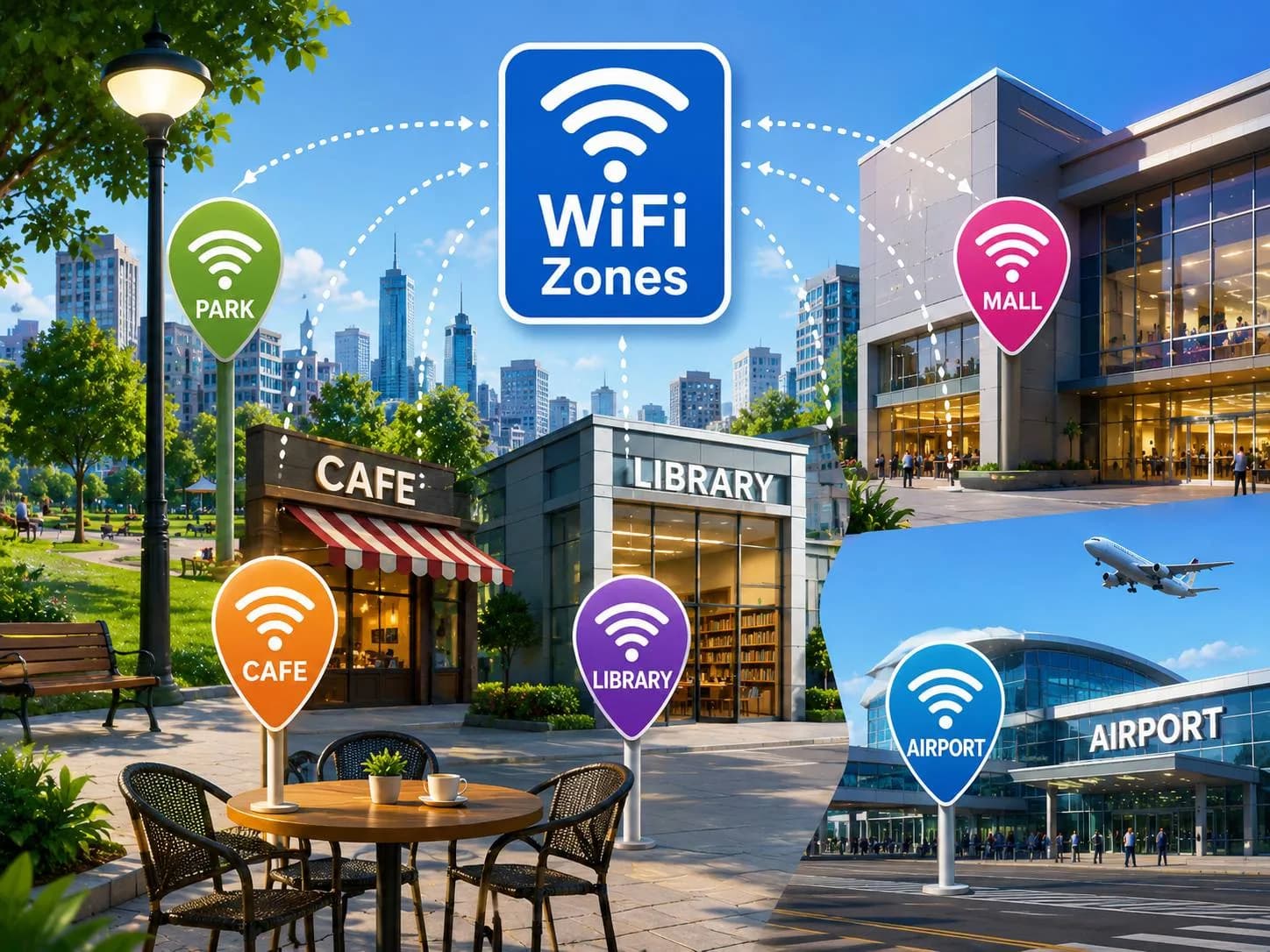
Where Free WiFi Can Work Best
| Location | Why It Matters |
|---|---|
| Universities and colleges | Students can download notes, check results, and access learning portals. |
| Hospitals | Patients and attendants can contact families and use digital services. |
| Bus terminals and stations | Commuters can check routes, bookings, maps, and urgent messages. |
| Public parks and markets | Families and small vendors can use basic online communication. |
The Biggest Challenge Is Sustainability
One common mistake people make is assuming free WiFi means free cost. Someone still pays for bandwidth, equipment, electricity, maintenance, security, and technical support.
From experience, public WiFi projects fail when they launch with excitement but lack long-term maintenance. Routers stop working, passwords change, speed drops, or the service becomes unusable during peak hours.
The Financial Relief For Families
For many households, free WiFi can reduce small but repeated data expenses. A student may save mobile data by downloading lectures at college. A patient’s attendant may avoid buying an emergency bundle just to send documents. It is like finding a public water cooler during summer. It does not replace home supply, but it helps when people need quick relief.
Safety And Privacy Cannot Be Ignored
Free WiFi Zones In Pakistan will only gain trust if users feel safe. Public WiFi can expose people to fake login pages, weak security, tracking risks, and data theft if networks are poorly managed.
Users should avoid banking, wallet transfers, password changes, or sharing CNIC images on unknown public WiFi. They should use official networks only and log out when finished.
Could Free WiFi Become Common By 2030?
Yes, but likely in selected places first. Campuses, hospitals, metro stations, airports, courts, government offices, and tourist spots are more realistic than blanket citywide coverage.
The better model may be limited free access for essential use, supported by clear login systems, usage limits, content safety, and reliable technical monitoring. Public WiFi should complement mobile data, not replace it.
Closing Thought
Free WiFi zones can become common in Pakistan if projects are planned for service quality, not just announcements. The real success will depend on maintenance, security, funding, and useful locations. If managed well, public WiFi can support students, commuters, patients, and small businesses without putting extra pressure on family budgets.
Quick Facts Box
- PITB lists 200 free WiFi hotspots across Lahore, Rawalpindi, Faisalabad, Multan, Bahawalpur, and Murree.
- Lahore’s free WiFi service was expanded from 100 to 200 points in 2024.
- PTA said Pakistan crossed 200 million telecom subscribers in 2025.
- Pakistan also crossed 150 million broadband connections, according to PTA.
Article Details
Category: Telecom
Published:
Author: Pari Row
More Stories