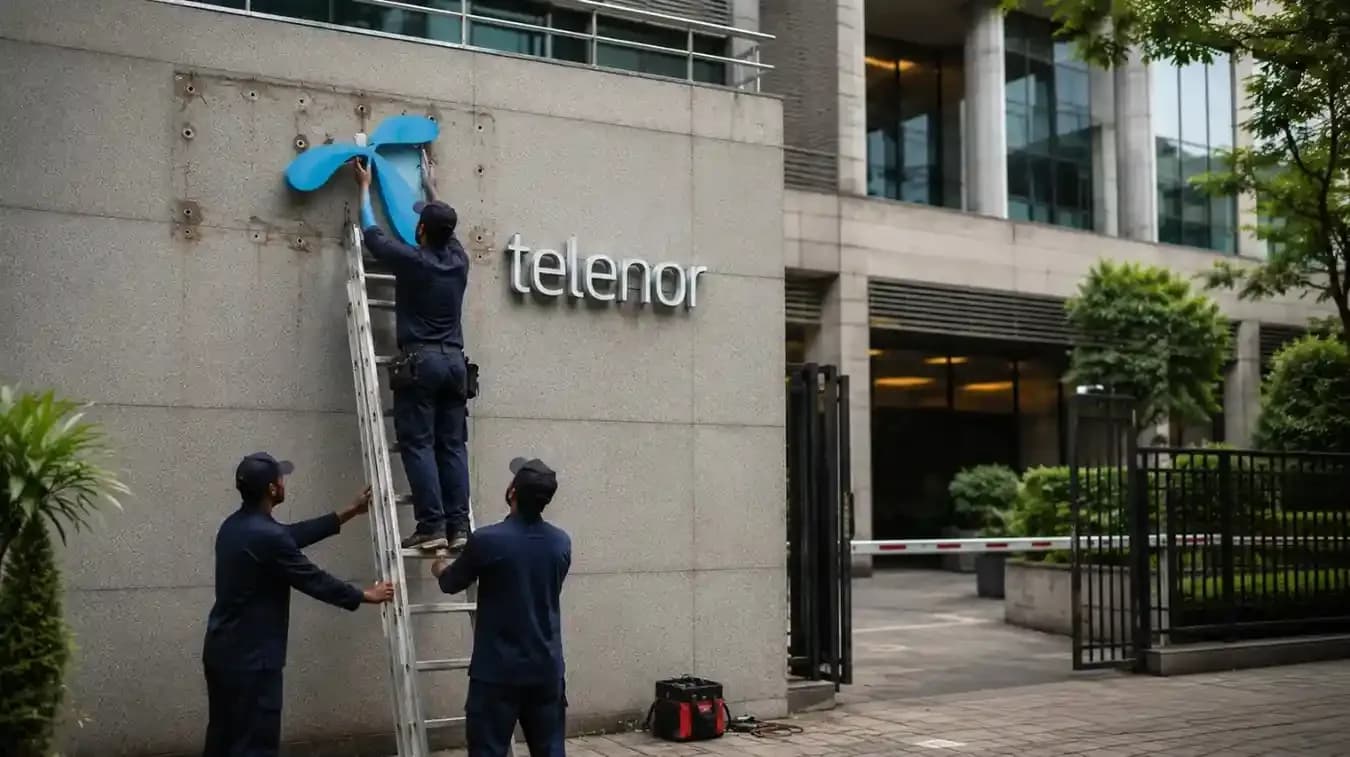
Foreign Investors Urge Pakistan Tax Cuts Amid Tension

Foreign Investors Urge Pakistan Tax Cuts Amid Tension
Foreign Investors Urge Pakistan Tax Cuts Amid Tension
Introduction – Rising Economic Pressure and Investor Anxiety in Pakistan
Foreign Investors Urge Pakistan Tax Cuts Amid Tension has become a major talking point in recent financial discussions, especially as global uncertainty continues to rise. In my experience covering emerging markets, investor confidence can shift quickly when geopolitical stress enters the picture. Pakistan is currently in a sensitive position where external pressure and internal fiscal challenges are colliding.
Foreign investors usually respond first to global risk signals rather than local policy changes. When tensions rise in regions like the Middle East or supply chains become unstable, capital becomes cautious. This caution is now visible in Pakistan’s investment outlook, where taxation is increasingly seen as a friction point rather than a simple revenue tool.
The headline Foreign Investors Urge Pakistan Tax Cuts Amid Tension reflects a deeper concern about competitiveness. Investors are asking a direct question: why invest in a high-tax, high-risk environment when more stable markets offer better incentives?
Capital flows where predictability exists. Right now, Pakistan is being asked to improve that predictability or risk losing investment momentum. This is not just a short-term reaction but a structural warning signal from global investors adjusting portfolios for long-term stability.
Key factors shaping investor sentiment
- Rising geopolitical instability impacting global trade flows
- High corporate and indirect tax burden in Pakistan
- Delayed policy reforms creating uncertainty
- Competitive tax incentives in UAE, Vietnam, and other markets
- Currency volatility affecting profit repatriation
Each of these factors compounds investor hesitation. Even when opportunities exist, uncertainty often becomes the deciding factor in capital allocation decisions.
Real-world investor context
In similar emerging market situations, manufacturing firms have shifted operations to countries with lower taxes and faster approvals. The logic is simple: lower friction and higher predictability. That same comparison is now being made with Pakistan.
Foreign Investors Urge Pakistan Tax Cuts Amid Tension highlights that investors are not always leaving, but they are recalculating risk versus reward more carefully. In many cases, investment committees prioritize safety of returns over size of returns.
A common trend across Asia shows that even a small improvement in policy consistency can significantly improve investor inflows.
Foreign Investor Concerns – Why Pakistan Is Under the Spotlight
What is driving foreign investor caution
This concern is not isolated. It reflects broader uncertainty in Pakistan’s fiscal direction and tax system. Investors evaluate predictability, profitability, and policy stability before committing capital.
Pakistan is seen as strong in opportunity but weak in predictability. That imbalance is driving demand for tax reform. Many investors believe that policy unpredictability increases long-term risk even when short-term returns appear attractive.
Main concerns raised by investors
- High corporate tax burden compared to regional competitors
- Complex filing and compliance procedures
- Delayed tax refunds affecting cash flow
- Frequent policy changes without consistency
- Currency depreciation risk impacting returns
These concerns are repeatedly highlighted in investor forums and internal board discussions, especially among multinational corporations operating across Asia.
Regional comparison
| Country | Corporate Tax | Ease of Doing Business | Stability |
|---|---|---|---|
| Pakistan | Relatively high | Moderate to low | Inconsistent |
| UAE | Low / Free zones | High | Stable |
| Vietnam | Moderate | Improving | Stable |
| Türkiye | Moderate | Moderate | Mixed |
From a global investor perspective, Pakistan is not unattractive—but it is considered risk-heavy compared to peers offering similar returns with lower friction.
Demand for Tax Cuts – What Investors Are Actually Asking For
Understanding the real demand
Foreign Investors Urge Pakistan Tax Cuts Amid Tension is not just about lowering taxes. Investors want structural improvements that enhance efficiency, predictability, and profitability. Tax reduction alone is not enough unless accompanied by administrative reform.
In fact, many investors prefer a stable 25% system over a fluctuating 20% system because planning becomes easier and risks become quantifiable.
Key expectations
- Lower corporate tax for export industries
- Removal of excessive surcharges
- Simplified digital tax filing
- Faster refund processing
- Lower withholding taxes on cross-border transactions
- Long-term tax policy roadmap (3–5 years)
These expectations are rooted in operational efficiency rather than political demands.
Expectation vs reality
| Area | Expectation | Reality |
|---|---|---|
| Tax Rate | Competitive | Relatively high |
| Refunds | Fast | Delayed |
| Policy | Stable | Frequent changes |
| Compliance | Simple | Complex |
Pros and cons of tax cuts
Pros:
- Higher foreign direct investment
- Improved investor confidence
- Export competitiveness
- Job creation
Cons:
- Reduced government revenue
- Fiscal pressure
- Budget imbalance risk
- Possible short-term instability in public finances
Impact of Regional Tensions on Business Confidence
Why global instability matters
Foreign Investors Urge Pakistan Tax Cuts Amid Tension is closely linked to global instability. Investors react early by reducing exposure and delaying expansion in risky markets.
In global capital markets, perception often moves faster than policy. Even rumors of instability can delay investment cycles.
Investor reaction stages
- Reduce new investments
- Delay expansion plans
- Shift capital to stable economies
Pakistan is currently seeing delayed expansion decisions across multiple sectors including manufacturing, logistics, and export-driven industries.
Business confidence comparison
| Country | Confidence Impact | Capital Flow |
|---|---|---|
| Pakistan | High sensitivity | Delayed inflows |
| Vietnam | Moderate | Stable inflows |
| UAE | Low | Strong inflows |
This comparison shows that stability often outweighs growth potential in uncertain global environments.
Structural Issues in Pakistan’s Tax System
Core structural challenges
- Multiple tax authorities
- Complex documentation requirements
- Delayed refunds
- Heavy reliance on withholding taxes
- Limited digital integration
- Weak taxpayer facilitation systems
These structural issues create friction that discourages long-term capital inflow.
Why structure matters more than rates
Investors often say they can plan for taxes, but not for delays. That operational friction is a bigger concern than tax percentages. Predictability in process is often more important than numerical tax advantages.
Efficiency comparison
| Factor | Pakistan | Vietnam | UAE |
|---|---|---|---|
| Filing | Complex | Improving | Digital |
| Refund speed | Slow | Moderate | Fast |
| Stability | Low | High | Very High |
This gap shows why structural reforms are now considered more important than rate adjustments alone.
Final Takeaways and Investment Outlook
Pakistan vs competitors
| Country | Tax Competitiveness | Stability | Investor Preference |
|---|---|---|---|
| Pakistan | Moderate | Unstable | Selective |
| Vietnam | Strong | Stable | High |
| UAE | Very Strong | Very Stable | Very High |
Final insight
Foreign Investors Urge Pakistan Tax Cuts Amid Tension is ultimately a trust issue. Investors want predictability, not just lower taxes. Countries that offer stability and clarity continue attracting capital even with moderate tax rates.
The future of Pakistan’s investment climate depends more on institutional stability than short-term fiscal adjustments.
FAQs
1. Why are investors asking for tax cuts?
Because high taxes and uncertainty reduce investment attractiveness.
2. Is tax the only issue?
No, stability and refund delays matter more.
3. How does Pakistan compare regionally?
It is less stable compared to UAE and Vietnam.
4. Will tax cuts alone help?
Not significantly without structural reforms.
5. How do global tensions affect investment?
They increase risk perception and reduce inflows.
6. What reforms are needed?
Digital systems, faster refunds, and policy stability.
7. Main challenge?
Building long-term investor trust.
(Source: arabnews.pk)
Article Details
Category: Investment
Published: 3 June 2026
Time: 3:46 pm
Updated: 3 June 2026 at 6:29 pm
Author: Muhammad Anus
More Stories