Canva Clarifies No PIA Partnership for Design Contest
Canva Clarifies No PIA Partnership for Design Contest
Canva’s proposed nationwide design competition has created excitement among Pakistani creatives, but the company has clarified that no official partnership with Pakistan International Airlines (PIA) has been finalised yet. The initiative is being developed to highlight Pakistani design talent and give local creators a platform to showcase their ideas globally.
Ahmad Iqbal, Canva’s General Manager for the Middle East, North Africa, and Pakistan (MENAP) region, said the competition has been under development for several months. He explained that the idea would welcome designers from different backgrounds, including professionals, students, and emerging creators.
The clarification came after discussions around a possible PIA rebranding project gained attention online. While PIA was mentioned as an example of a brand that could benefit from creative input, Canva confirmed that there is currently no formal agreement with the airline.
Why Canva’s Design Initiative Matters for Pakistan
Pakistan has a rich creative history that extends beyond modern digital design. Traditional crafts, textiles, architecture, and cultural patterns have influenced generations of artists and designers.
The proposed competition could help connect this heritage with modern branding tools. Similar creative platforms around the world have helped young designers gain recognition without needing access to large agencies or international networks.
For example, in the United States, many independent designers use open creative challenges to build portfolios, connect with brands, and showcase their skills to global audiences. A similar opportunity in Pakistan could help students, freelancers, and professionals reach new markets.
What This Means for PIA and Pakistani Designers
The discussion around PIA attracted attention because national airlines often represent a country’s identity. Their logos, aircraft designs, and visual branding become symbols recognised worldwide.
The idea highlighted several possibilities:
Showcasing Pakistani cultural elements through modern design
Giving young creatives a global platform
Exploring new approaches to national branding
Connecting traditional art with digital creativity
However, it is important to separate the creative concept from an official airline project. Canva’s current focus is on building a competition that celebrates Pakistan’s design community, while any future collaboration with PIA would require separate discussions.
From experience, successful creative initiatives work best when they provide clear goals, fair opportunities, and real visibility for participants. If developed properly, Canva’s competition could become a valuable platform for Pakistan’s growing creative industry.Canva Confirms No Official Partnership With PIA Yet
Canva has clarified that there is currently no official partnership or agreement with Pakistan International Airlines (PIA) regarding the proposed design competition. The clarification was shared by Ahmad Iqbal, Canva’s General Manager for the Middle East, North Africa, and Pakistan (MENAP) region, after discussions about a possible PIA branding project gained public attention.
The company confirmed that the competition is being developed as a broader initiative to highlight Pakistani creative talent. While PIA was considered a meaningful example because of its history and national importance, it is not currently a confirmed partner for the project.
What Canva Actually Confirmed
According to Ahmad Iqbal, Canva has been working on the idea for several months. The proposed competition aims to bring together designers from different experience levels.
The initiative is expected to include:
Professional graphic designers
University and college students
Freelance creators
Emerging creative talent
The purpose is to provide Pakistani designers with a platform where their work can reach wider audiences and demonstrate the country’s creative potential.
Why PIA Became Part of the Conversation
PIA became linked with the idea because the airline represents a strong example of national branding. Airlines often use their visual identity to communicate culture, history, and a country’s image to international travellers.
A successful airline brand includes more than just a logo. It covers:
Aircraft design and livery
Marketing visuals
Brand colours
Customer experience
Cultural representation
In many global examples, airlines use design changes to refresh their public image. For instance, major airlines in the United States and Europe have updated their branding over time to reflect modern values while maintaining their heritage.
Clarifying the Difference Between an Idea and an Agreement
One important point that many people missed was the difference between a creative proposal and an official business partnership.
A design concept can generate discussion and inspire ideas, but an official collaboration requires:
Formal approval
Legal agreements
Brand guidelines
Operational planning
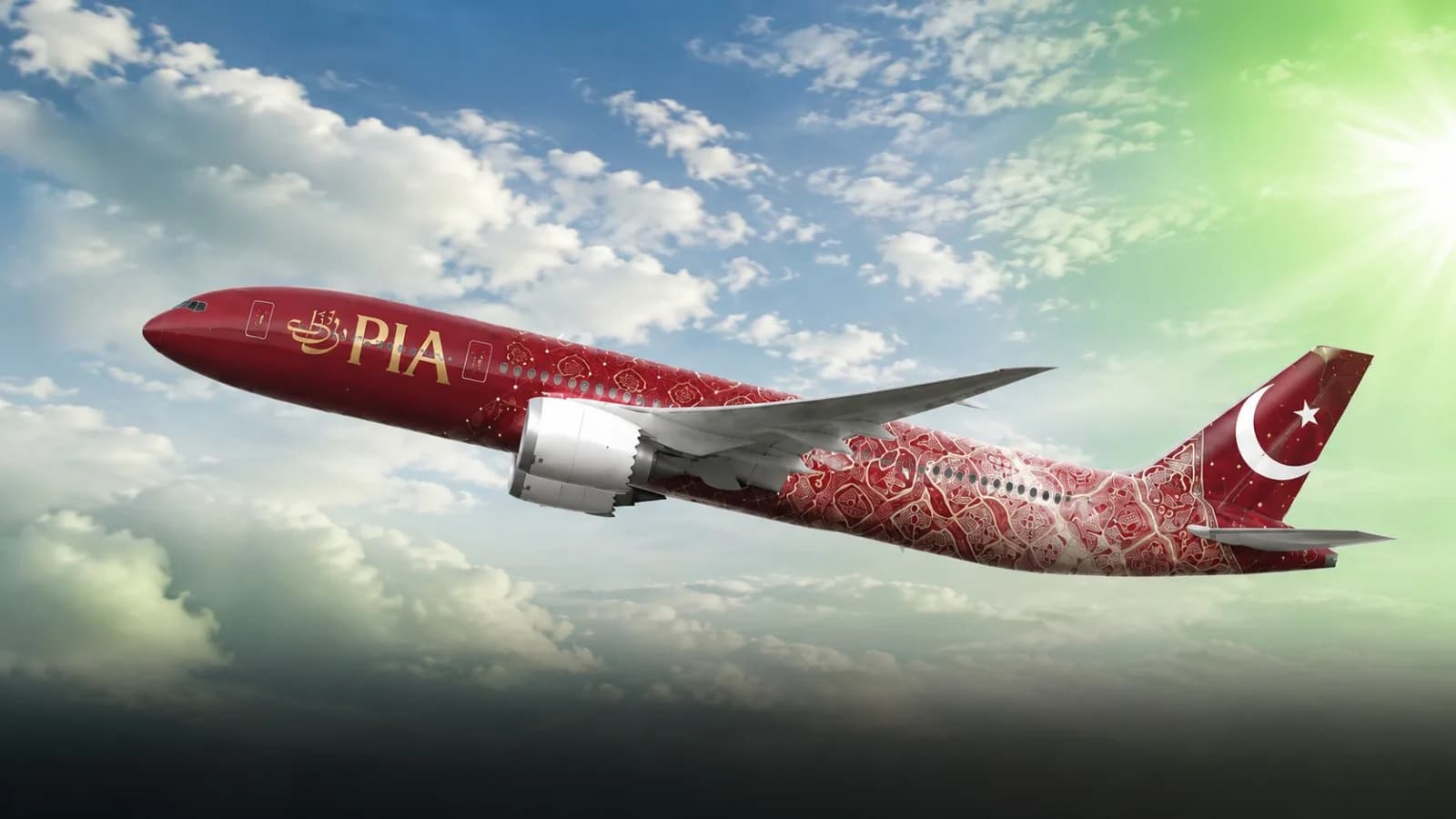
Canva’s statement helps clear confusion that developed after the PIA-inspired aircraft visuals received attention online.
Public Reaction After the Clarification
The idea received mixed responses from people online. Some welcomed the possibility of showcasing Pakistani culture through modern aircraft designs, while others questioned practical concerns such as implementation costs and operational challenges.
This type of debate is common when national brands explore creative changes. A strong visual identity can create emotional connections, but practical factors must also be considered before any major transformation.
From experience, the success of a large-scale design initiative depends on transparency. When companies clearly explain their goals and partnerships, audiences are more likely to understand the vision behind the project.What Is Canva’s Proposed Nationwide Design Competition?
Canva’s proposed nationwide design competition aims to create a platform where Pakistani designers can showcase their creativity and represent the country’s design potential on a global level. The initiative is being developed to encourage participation from people with different levels of experience, including professional designers, students, and beginners.
Unlike traditional design projects that are limited to established agencies, an open competition can give independent creators a chance to contribute ideas and gain recognition. This approach has become increasingly popular worldwide, where brands and creative platforms use community-driven ideas to discover new talent.
Main Purpose Behind Canva’s Creative Initiative
The primary goal of the competition is to highlight Pakistan’s creative talent and help designers develop a stronger presence internationally.
The initiative could focus on:
Encouraging young designers to participate
Promoting Pakistani visual identity
Creating opportunities for creative professionals
Connecting local talent with global audiences
Exploring new ideas in branding and design
For many emerging designers, access to global platforms is often the biggest challenge. A nationwide competition can reduce that barrier by allowing creators to showcase their work based on creativity and originality.
Who Can Participate in the Competition?
According to Canva’s statement, the competition would not be limited to experienced professionals. It is expected to welcome participants from different backgrounds.
Potential participants may include:
Participant Type | Possible Opportunity |
|---|---|
Professional designers | Showcase advanced branding skills |
Students | Build portfolios and gain exposure |
Freelancers | Connect with wider audiences |
New creators | Enter the design industry |
This inclusive approach is similar to global creative challenges where students and independent artists compete alongside experienced professionals.
How Digital Platforms Are Changing Design Opportunities
In the past, major branding projects were mostly handled by large agencies with established reputations. Today, digital platforms have changed how creative work is discovered.
For example, many designers in the United States use online communities and creative competitions to build careers. A student with strong ideas can now reach companies and audiences that were previously difficult to access.
The same opportunity could benefit Pakistani designers by giving them a space to present cultural concepts through modern design techniques.
Why This Competition Could Be Important for Pakistan
Pakistan has a long history of creative traditions, from textile patterns and architecture to regional artwork. Combining these traditions with digital design tools could create unique branding concepts that appeal internationally.
One common mistake people make is viewing design only as decoration. In reality, strong design influences how people recognise brands, connect emotionally, and remember experiences.
A well-organised Canva competition could become more than a design contest. It could become a platform that introduces Pakistani creativity to global audiences.
Why PIA Became an Example for Canva’s Design Vision?
Pakistan International Airlines (PIA) became part of the conversation because it represents more than just an airline. Like many national carriers around the world, PIA carries cultural identity, history, and a connection with the country it represents.
When Ahmad Iqbal shared the idea of using PIA as an example, the focus was not on an announced rebranding project. Instead, it highlighted how a major Pakistani brand could potentially use creative ideas to communicate culture and modern identity to a global audience.
The Importance of Airline Branding
Airline branding plays a major role in how people view a country. Aircraft designs, logos, colours, and marketing campaigns often become the first visual connection international travellers have with a nation.
A strong airline identity usually includes:
Recognisable logo and colours
Unique aircraft livery
Cultural storytelling
Consistent marketing visuals
Memorable passenger experience
Global airlines frequently update their designs to stay relevant. For example, airlines in the United States, Europe, and Asia have refreshed their visual identities while keeping elements connected to their history.
PIA’s Cultural Connection With Pakistan
PIA has historically represented Pakistan on international routes. Its branding has been associated with national symbols, hospitality, and cultural representation.
The discussion around redesign possibilities focused on how Pakistani heritage could be represented through modern visual concepts.
Potential design elements could include:
Traditional patterns
Regional artwork
Cultural symbols
Pakistani colours and themes
Modern interpretations of heritage
The idea attracted attention because Pakistan has a diverse creative background that can inspire unique branding concepts.
The Ajrak-Inspired Aircraft Concept
One major point that gained public attention was the Ajrak-inspired aircraft design shared by Ahmad Iqbal.
He explained that the concept was created using Canva and Affinity by a non-designer. The example was meant to show what could happen if thousands of Pakistani creatives were given an opportunity to contribute ideas.
Ajrak, a traditional Sindhi pattern, has a history estimated to be around 4,000 to 5,000 years. Its detailed geometric designs and cultural importance make it a powerful example of Pakistan’s artistic heritage.
PIA Branding: Creative Opportunity vs Practical Reality
While creative ideas can generate excitement, airline rebranding involves several practical considerations.
Creative Aspect | Practical Consideration |
|---|---|
New aircraft designs | Cost and maintenance requirements |
Cultural elements | Global brand consistency |
Fresh visual identity | Passenger recognition |
Public creativity | Professional implementation |
From experience, successful brand transformations require balancing creativity with business needs. A design may look impressive visually, but it must also work across aircraft, digital platforms, advertisements, and customer interactions.
PIA’s connection with Canva’s idea shows how national brands can inspire creative discussions, even before any official partnership is established.Pakistan’s Creative Heritage and Global Design Potential
Pakistan has a rich creative history that goes beyond modern graphic design. From traditional textiles and architecture to jewellery, crafts, and regional artwork, the country has a deep visual culture that can inspire modern global branding.
Canva’s proposed design competition highlights the possibility of connecting these traditional elements with digital creativity. By giving local designers a wider platform, Pakistani cultural designs could reach audiences beyond the country and compete in the global creative space.
How Traditional Pakistani Art Can Influence Modern Design
Many successful global brands use cultural elements to create unique identities. Traditional patterns, colours, and symbols can help brands tell meaningful stories while creating emotional connections with audiences.
Pakistani design inspiration can come from:
Traditional textile patterns
Regional crafts
Historical architecture
Calligraphy styles
Cultural symbols
Local artistic techniques
These elements can be transformed into modern designs for branding, digital media, packaging, and international campaigns.
The Story and Importance of Ajrak Design
Ajrak is one of Pakistan’s most recognised traditional art forms, especially associated with Sindh. The craft is known for its detailed geometric patterns, natural colours, and centuries-old printing techniques.
Ahmad Iqbal highlighted Ajrak as an example of Pakistan’s creative strength, noting that its history is estimated to be around 4,000 to 5,000 years old.
The design represents:
Cultural identity
Traditional craftsmanship
Historical connection
Artistic innovation
Using such heritage elements in modern branding can help create designs that are both meaningful and internationally recognisable.
Pakistan’s Growing Digital Creative Industry
The rise of digital platforms has changed opportunities for Pakistani designers. Today, creators can work with international clients, sell digital products, and participate in global design communities without leaving the country.
A student designer in Lahore or Karachi can now create work that reaches companies and audiences worldwide.
Similar trends can be seen in countries like the United States, where independent designers use online platforms and creative challenges to build careers and gain recognition.
Traditional Art vs Modern Digital Design
Traditional Creative Elements | Modern Digital Opportunities |
|---|---|
Ajrak patterns | Digital branding designs |
Handcrafted textiles | Online creative platforms |
Regional artwork | Global marketing campaigns |
Cultural symbols | International brand identity |
Why Global Recognition Matters
A strong design identity can help Pakistan present a modern image internationally. Creative competitions can encourage designers to experiment, collaborate, and develop ideas that combine heritage with innovation.
One common mistake people make is assuming cultural design only belongs in museums or traditional markets. In reality, heritage can become a powerful tool for modern industries when presented through thoughtful design.
If Canva’s initiative moves forward, it could provide Pakistani creatives with a valuable opportunity to transform cultural inspiration into globally visible design work.How a Canva Design Competition Could Benefit Pakistani Creatives
A nationwide Canva design competition could create new opportunities for Pakistan’s growing creative community by connecting local talent with a global audience. For many designers, the biggest challenge is not creativity but visibility. A recognised platform can help talented individuals showcase their skills beyond traditional networks.
The initiative could benefit professionals, students, freelancers, and beginners by giving them a chance to participate in a large-scale creative project. Similar global design challenges have helped emerging artists build portfolios, gain recognition, and connect with potential clients.
Opportunities for Professional Designers
Experienced designers could use the competition as a platform to demonstrate advanced branding skills and creative thinking.
Possible benefits include:
Greater professional visibility
Recognition among industry professionals
Portfolio improvement
Opportunities for collaboration
Exposure to international audiences
For established designers, such competitions can also become a way to experiment with new concepts without the limitations of commercial projects.
Benefits for Students and Young Creators
Students often have strong creative ideas but limited opportunities to present their work professionally. A nationwide competition could help bridge that gap.
A student from a university in Karachi, Lahore, Islamabad, or another city could participate alongside experienced designers and receive recognition based on creativity and originality.
The competition could help students with:
Building professional portfolios
Understanding real-world branding challenges
Learning modern design tools
Developing confidence
In many cases, early exposure plays an important role in shaping creative careers.
Growth Opportunities for Freelancers
Pakistan has a growing freelance community working with international clients. A recognised design competition could strengthen this ecosystem by helping freelancers demonstrate their capabilities.
Potential advantages:
Area | Possible Impact |
|---|---|
Portfolio | More impressive creative work |
Networking | Connections with designers and brands |
Skills | Improved branding experience |
Career growth | Better international opportunities |
Customer Experience / Real Use Case
Imagine a young designer who has strong ideas but has never worked with a major brand. Through an open competition, that person gets the opportunity to present concepts that thousands of people can see.
This type of exposure can be valuable because creative industries often depend on reputation and visibility.
Similar platforms in the United States and other countries have helped independent creators find opportunities that were previously available only through large agencies.
Why Open Design Platforms Matter
One major advantage of community-driven competitions is that they bring different perspectives together. A professional designer may approach a project differently from a student or an artist with a traditional background.
This diversity can lead to fresh ideas that reflect different parts of society.
From experience, successful creative platforms do not only discover talent. They create communities where people learn, collaborate, and improve their skills.
If Canva’s proposed competition moves forward, it could become an important step in showcasing Pakistan’s creative talent on a global stage.Canva Design Competition vs Global Branding Competitions (Competitor Comparison)
Canva’s proposed nationwide design competition follows a growing global trend where brands and creative platforms involve communities in developing new ideas. Instead of depending only on traditional agencies, many organisations now use open competitions to discover fresh talent and encourage creative participation.
While Canva’s initiative is focused on Pakistani designers, similar approaches have been used internationally by companies, governments, and creative organisations to identify new concepts and strengthen brand engagement.
How Canva’s Initiative Compares With Global Creative Competitions
Competition Type | Main Purpose | Participants | Key Benefit |
|---|---|---|---|
Canva Pakistan Design Initiative | Showcase Pakistani creative talent | Students, professionals, freelancers | Global exposure for local designers |
Airline Branding Challenges | Develop fresh airline identities | Branding agencies and designers | Modernise company image |
Student Design Competitions | Discover emerging talent | Students and young creators | Portfolio development |
Open Creative Platforms | Encourage community ideas | Global creative communities | Diverse design solutions |
Canva Initiative vs Traditional Branding Agencies
Traditional branding projects are usually handled by professional agencies with experience in strategy, research, and implementation. These agencies understand business requirements, customer behaviour, and technical limitations.
However, open design competitions offer a different advantage. They bring ideas from a wider community and allow people with different backgrounds to contribute.
Comparison:
Open Design Competition | Traditional Branding Agency |
|---|---|
Large number of creative ideas | Smaller expert team |
Includes students and beginners | Usually experienced professionals |
Encourages public participation | Focuses on client requirements |
Discovers unexpected concepts | Provides structured brand strategy |
Both approaches have value. A competition can generate creative direction, while professional teams are often needed to turn ideas into complete brand systems.
Lessons From International Branding Projects
Global brands often balance creativity with practicality when changing their identity. A successful redesign is not only about attractive visuals. It must work across multiple platforms.
Important considerations include:
Brand recognition
Customer trust
Digital presence
Marketing consistency
Operational requirements
For example, airline branding changes require designs that work on aircraft, websites, mobile applications, airport materials, and advertising campaigns.
Why Canva’s Approach Could Stand Out
The biggest difference is accessibility. Digital tools like Canva have made design more available to people who may not have formal training.
A talented creator from a smaller city can now compete with designers from major urban centres. This creates a wider pool of ideas and allows more people to participate in creative industries.
One common mistake people make is assuming that great design only comes from expensive agencies. In reality, many successful creative ideas come from individuals who understand culture, storytelling, and audience emotions.
Potential Impact on Pakistan’s Design Industry
If properly organised, Canva’s competition could help Pakistan discover new creative talent while encouraging a stronger design culture.
The initiative could create:
More opportunities for young designers
Greater appreciation for Pakistani visual identity
Stronger connections with global creative communities
New possibilities for freelance professionals
A well-managed competition could become more than a contest. It could become a platform that helps shape Pakistan’s future creative industry.Pros and Cons of Canva’s Proposed Design Competition
Canva’s proposed nationwide design competition has the potential to create new opportunities for Pakistan’s creative community. However, like any large-scale initiative, it may also face practical challenges that need careful planning.
A successful competition is not only about collecting creative ideas. It requires transparent rules, fair judging, strong communication, and a clear purpose. Looking at both advantages and limitations can help understand the possible impact of this initiative.
Pros of Canva’s Design Competition
1. Global Exposure for Pakistani Designers
One of the biggest advantages is the opportunity for Pakistani creatives to showcase their work internationally.
Many talented designers struggle to gain visibility because they lack access to major platforms. A recognised competition can help bridge this gap.
Potential benefits include:
International recognition
Better portfolio opportunities
Professional networking
Increased confidence among young creators
2. Promoting Pakistani Cultural Identity
The competition could encourage designers to explore Pakistan’s heritage through modern design.
Creative concepts inspired by:
Ajrak patterns
Traditional textiles
Regional artwork
Historical architecture
can help introduce Pakistani culture to global audiences.
3. Supporting Young Creative Talent
Students and beginners could benefit from participating in a nationwide platform. They can gain experience by working on real-world branding challenges.
For many young designers, practical exposure is often more valuable than classroom learning alone.
4. Encouraging Innovation in Design
Open competitions bring together people with different backgrounds and perspectives.
A professional designer may focus on branding strategy, while a young creator may bring fresh cultural ideas. This combination can lead to unique concepts.
Cons of Canva’s Design Competition
1. Managing a Large Number of Entries
A nationwide competition could receive thousands of submissions. Reviewing each design fairly would require a strong evaluation system.
Challenges may include:
Maintaining fair judging standards
Providing feedback to participants
Selecting winners transparently
2. Difference Between Creative Ideas and Practical Implementation
A design that looks impressive may not always work in real-world applications.
For example, an aircraft design must consider:
Painting limitations
Maintenance requirements
Brand consistency
Operational costs
Creative concepts often need professional refinement before becoming final designs.
3. Public Expectations Could Increase
Because PIA was mentioned as an example, some people may expect an immediate airline redesign. However, Canva has clarified that no official partnership exists yet.
Clear communication will be important to avoid confusion.
4. Need for Long-Term Support
A single competition may create attention, but continued support is needed to develop Pakistan’s creative industry.
Pros and Cons Comparison Table
Pros | Cons |
|---|---|
Global exposure for designers | Managing thousands of entries |
Promotes Pakistani culture | Practical limitations of designs |
Supports young talent | Public expectations may rise |
Encourages creative innovation | Requires transparent judging |
Builds design community | Long-term support is needed |
Expert Perspective
From experience, creative competitions create the most value when winners receive more than recognition. Mentorship, networking opportunities, and industry connections can turn a short-term event into a long-term career opportunity.
Canva’s proposed initiative has strong potential, but its success will depend on execution. A clear process, professional evaluation, and meaningful opportunities for participants will determine whether it becomes a memorable milestone for Pakistan’s creative sector.Public Reaction and Debate Around PIA Rebranding Idea
The discussion around Canva’s proposed design competition gained significant attention after Ahmad Iqbal shared PIA-inspired aircraft design concepts online. While the visuals were presented as an example of what Pakistani creativity could achieve, many people interpreted the idea as a possible future rebranding project for Pakistan International Airlines.
The reaction showed strong public interest in how national brands represent culture and identity. At the same time, it also highlighted practical questions about whether creative ideas can be translated into real-world business decisions.
Positive Response From Creative Communities
Many designers and creative professionals welcomed the idea of involving Pakistani talent in a major branding discussion.
Supporters highlighted that:
Pakistan has a rich artistic heritage
Local designers deserve global platforms
Cultural elements can strengthen brand identity
Young creators need more opportunities
For many creative professionals, the idea represented a chance to move beyond traditional design boundaries and showcase Pakistani storytelling through visuals.
Why People Supported the Cultural Angle
National airlines often represent their countries internationally. A unique aircraft design can become a moving symbol that introduces culture to passengers around the world.
Examples from global aviation show that airlines often use:
Traditional colours
National symbols
Regional patterns
Cultural stories
to create stronger emotional connections with passengers.
Concerns About PIA Rebranding Practicality
While many people liked the creative possibilities, others raised questions about implementation.
Some concerns included:
Cost of repainting aircraft
Operational challenges
Maintenance requirements
Impact on existing brand recognition
Aircraft designs are not only about appearance. Airlines must consider technical and financial factors before making major visual changes.
A design that works well as a digital concept may require adjustments before being applied to real aircraft.
Online Debate: Creativity vs Practical Requirements
The discussion created a common debate seen in many branding projects: should companies prioritise creative expression or operational practicality?
Creative Perspective | Business Perspective |
|---|---|
Unique cultural designs | Cost management |
Fresh public image | Operational limitations |
Global attention | Brand consistency |
Emotional connection | Long-term strategy |
Both viewpoints are important. Strong branding happens when creativity supports business goals rather than working separately from them.
Lessons From Global Airline Branding
Airlines around the world have redesigned their identities to stay modern while protecting their heritage. Successful changes usually involve research, customer feedback, and careful planning.
For example, major airlines in the United States and other countries have updated their branding gradually instead of making sudden changes that confuse passengers.
From experience, public involvement can be valuable during branding projects because customers often connect deeply with national symbols. However, final decisions need professional planning to ensure the design works across all business platforms.
The Canva and PIA discussion shows that Pakistan’s creative community has strong ideas and public interest exists for modernising national brands. The next step would be creating a structured process where creativity and practical requirements work together.What Happens Next for Canva and PIA Design Collaboration?
At this stage, Canva has clarified that no official partnership agreement with Pakistan International Airlines (PIA) is in place. The proposed design competition remains an independent initiative aimed at highlighting Pakistan’s creative talent rather than an announced airline rebranding project.
However, the discussion has opened the possibility of future collaboration between creative platforms, national brands, and Pakistani designers.
Canva’s Future Plans for Pakistani Creatives
Canva’s main focus is developing a nationwide competition that allows designers from different backgrounds to participate. The company is looking for ways to give Pakistani creatives a stronger voice in the global design community.
Future opportunities could include:
National design challenges
Creative partnerships with local organisations
Global exposure for Pakistani designers
Digital learning opportunities
Community-based design projects
The success of such an initiative will depend on how effectively Canva structures participation, judging, and recognition for creators.
Could PIA Become a Future Partner?
While PIA was used as an example of a meaningful brand for this concept, no official agreement has been announced.
A future collaboration would likely require:
Approval from PIA management
Detailed branding discussions
Technical evaluation of aircraft designs
Agreement on implementation costs
Professional brand strategy planning
National airline branding involves many departments, so any redesign project would need careful coordination.
What a Future Collaboration Could Look Like
If Canva and PIA decide to work together in the future, the project could involve more than just aircraft visuals.
Possible areas could include:
Area | Possible Creative Opportunity |
|---|---|
Aircraft livery | Cultural and modern design concepts |
Logo identity | Updated visual representation |
Marketing campaigns | Global storytelling |
Digital platforms | Improved customer experience |
Brand materials | Consistent visual identity |
A successful collaboration could combine Canva’s digital design ecosystem with PIA’s national presence.
Lessons From Global Brand Collaborations
Many international companies involve creative communities when exploring new ideas. However, successful projects usually combine public creativity with professional expertise.
For example, global brands often collect community feedback but rely on experienced teams for final execution. This approach helps maintain quality while allowing fresh perspectives.
One common mistake people make is thinking a good design idea alone is enough for a complete rebrand. In reality, branding requires strategy, customer understanding, technical planning, and long-term consistency.
Customer Experience Perspective
For passengers, a refreshed airline identity is not only about aircraft appearance. A strong brand experience includes:
Easy booking process
Better communication
Quality service
Modern digital platforms
Memorable travel experience
A new design can attract attention, but the complete customer journey determines whether people connect with the brand.
Final Outlook
Canva’s proposed design competition represents an opportunity to showcase Pakistan’s creative strength, regardless of whether PIA becomes involved in the future.
The initiative could help discover new designers, promote cultural storytelling, and create stronger links between Pakistani creativity and global audiences.
If managed properly, it could become a valuable platform for Pakistan’s design industry.Canva’s Design Initiative Could Open New Doors for Pakistani Creativity
Canva’s proposed nationwide design competition has created an important conversation about Pakistan’s creative potential, but the company has clearly confirmed that no official partnership with Pakistan International Airlines (PIA) exists yet.
The idea was introduced as a way to provide Pakistani designers with a platform to showcase their talent globally. PIA became part of the discussion because of its historical importance and its role as a national brand that represents Pakistan internationally.
The concept also highlighted the value of combining traditional Pakistani art with modern digital design. Elements like Ajrak patterns, textile traditions, architecture, and regional artwork show that Pakistan has a strong creative foundation that can inspire global audiences.
However, turning creative ideas into real-world branding requires more than attractive visuals. Successful projects need proper planning, technical evaluation, business strategy, and long-term execution.
What Pakistani Designers Can Expect
If Canva’s initiative moves forward, it could provide valuable opportunities for creators across Pakistan.
Potential benefits may include:
Global recognition for Pakistani designers
Better career opportunities for young creatives
More exposure for cultural design concepts
Stronger connections with international audiences
Growth of Pakistan’s digital creative industry
For students and freelancers, platforms like this can become a stepping stone toward professional growth.
Final Thoughts on Canva and PIA Design Discussion
The discussion around Canva and PIA shows that there is strong public interest in how Pakistani brands represent culture and creativity. While no official collaboration has been announced, the conversation itself highlights the demand for more opportunities in the creative sector.
From experience, the strongest creative movements happen when talent, technology, and opportunity come together. A well-organised competition could help discover new voices and introduce Pakistani design ideas to the world.
Share Your Creative Vision
Are you a designer, student, or creative professional from Pakistan? Stay updated with Canva’s announcements and future design opportunities that can help showcase local talent globally.
Follow Pehle Pakistan for the latest updates on technology, business, creative industries, and opportunities shaping Pakistan’s future.
Frequently Asked Questions (FAQs)
1. Is Canva officially partnering with PIA for a design competition?
No, Canva has clarified that no official partnership or agreement with PIA has been finalised. The company is developing a nationwide design competition independently to highlight Pakistani creative talent.
2. What is Canva’s Pakistan design competition about?
Canva’s proposed competition aims to give Pakistani designers a platform to showcase creative ideas globally. It may include professionals, students, freelancers, and emerging designers from different backgrounds.
3. Why did Canva mention PIA in its design competition idea?
PIA was mentioned as an example because it is a major national brand with cultural importance. Canva highlighted how creative ideas could help represent Pakistani identity through modern branding concepts.
4. Who can participate in Canva’s proposed design competition?
The competition is expected to be open to designers of different skill levels, including professional designers, students, freelancers, and new creators interested in showcasing their work.
5. What is the significance of Ajrak in Pakistani design?
Ajrak is a traditional Sindhi art form known for its detailed patterns and cultural value. Its history is estimated to be thousands of years old and represents Pakistan’s rich creative heritage.
6. Could Canva redesign PIA’s logo or aircraft livery in the future?
Currently, there is no confirmed PIA redesign project with Canva. Any future collaboration would require official agreements, brand planning, and approval from relevant authorities.
7. How can Pakistani designers benefit from Canva’s initiative?
The initiative could help designers gain global exposure, improve portfolios, connect with creative communities, and showcase Pakistani cultural ideas to international audiences.
Topics in this story
Article Details
Category: Tech
Published: 25 July 2026
Time: 5:25 pm
Updated: 25 July 2026 at 6:01 pm
Author: Rabia
More Stories