Punjab Introduces End-of-Life Vehicle Scrapping Policy
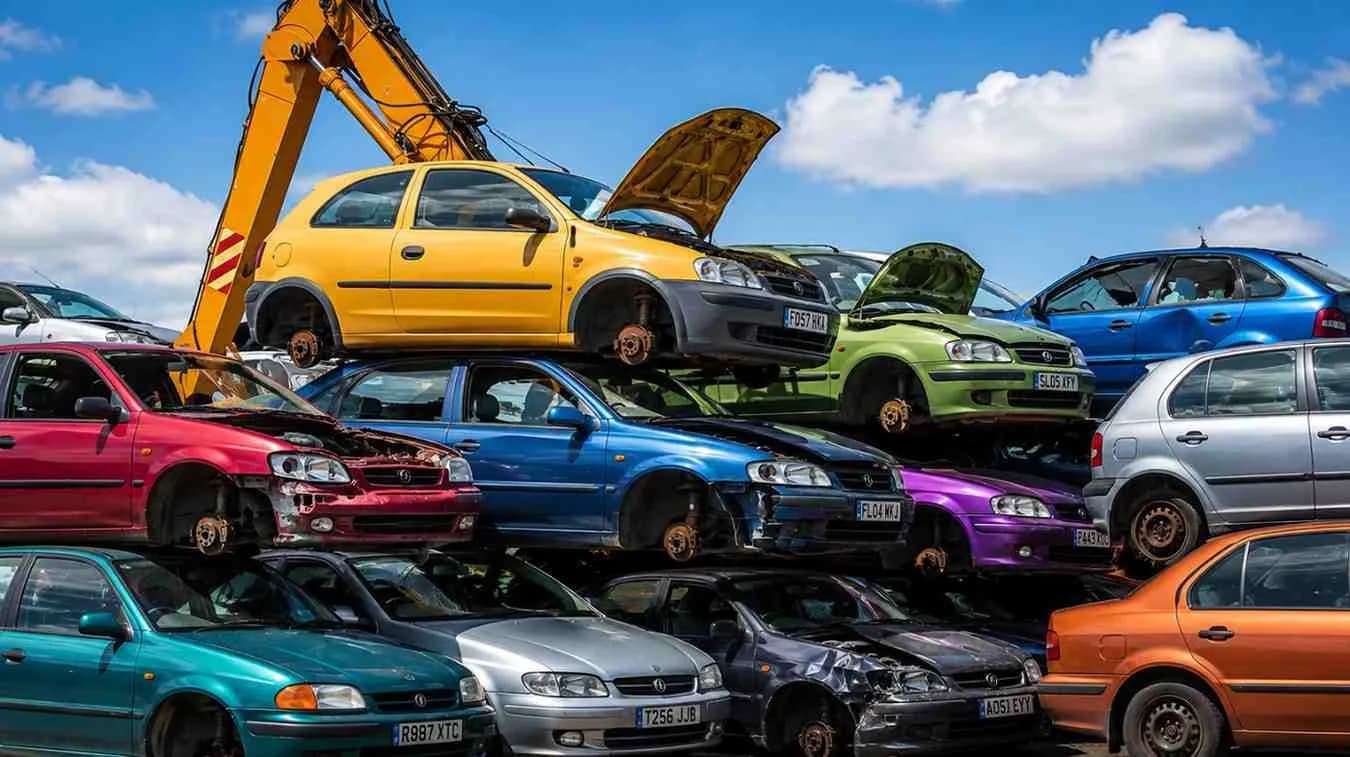
Punjab has introduced a new end-of-life vehicle scrapping policy through the Provincial Motor Vehicles (Third Amendment) Ordinance 2026, creating the first formal legal framework for retiring unsafe, damaged, and highly polluting vehicles in the province.
The new ordinance aims to remove vehicles from roads that are no longer fit for safe operation or fail environmental standards. However, it is important to understand that this policy does not mean every old vehicle will automatically be scrapped. The government will issue detailed rules to define age limits, inspection procedures, and eligibility criteria.
For many vehicle owners, this development raises important questions. Will their car or motorcycle be affected? How will authorities decide which vehicles need scrapping? What will happen to commercial vehicles that fail fitness tests?
The answers will depend on the upcoming implementation rules, but the main objective is clear: Punjab wants a cleaner, safer, and more organised transport system.
Why Punjab Needed an End-of-Life Vehicle Policy
Old and poorly maintained vehicles create multiple challenges for cities. They often produce higher emissions, increase road safety risks, and place additional pressure on transport management systems.
Similar vehicle retirement programs already exist in countries such as the United States, Japan, and several European nations. These systems encourage the removal of unsafe vehicles while promoting recycling and responsible disposal.
For example, in many US cities, vehicle retirement programs focus on removing high-emission cars from roads while encouraging cleaner transportation options. The goal is not simply removing old vehicles but creating a safer and more sustainable transport environment.
What This New Policy Means for Vehicle Owners
Under Punjab’s new framework, a vehicle may be classified as an end-of-life vehicle if:
Its registration is expired or cancelled
It fails required fitness or emission tests
It suffers severe damage from accidents, fire, or natural disasters
The owner voluntarily submits it for scrapping
From experience, one common mistake people make is assuming that every older vehicle will immediately become unusable. In reality, proper inspection and official criteria will determine which vehicles qualify.
The policy could bring major changes for vehicle owners, transport operators, and recycling businesses. Understanding how the system works will help people prepare before the final rules are announced.What Is Punjab’s End-of-Life Vehicle Scrapping Policy?
Punjab’s end-of-life vehicle scrapping policy is a new legal framework introduced through the Provincial Motor Vehicles (Third Amendment) Ordinance 2026. The policy creates a system to identify and retire vehicles that are no longer suitable for road use due to safety concerns, environmental issues, or severe damage.
An end-of-life vehicle does not simply mean an old vehicle. The main focus is on vehicles that cannot meet required standards for registration, fitness, emissions, or safe operation. This distinction is important because many vehicle owners may worry that their older cars or motorcycles will automatically be removed from the roads.
The policy introduces a structured approach where eligible vehicles will be handled through authorised private scrapping facilities or centres established by Punjab’s Transport and Mass Transit Department.
Understanding the Purpose Behind the Vehicle Scrapping Policy
The main purpose of the policy is to create a proper retirement system for vehicles that create risks for road users and the environment.
The government aims to:
Remove unsafe vehicles from public roads
Reduce air pollution caused by high-emission vehicles
Encourage responsible vehicle recycling
Support the transition toward cleaner transport options
Create a regulated scrapping industry
Many countries already follow similar approaches. For example, in the United States, several vehicle retirement programs focus on removing older, high-polluting vehicles while encouraging cleaner alternatives. The goal is not only disposal but also environmental improvement.
How This Policy Is Different From Ordinary Vehicle Disposal
Before this framework, vehicle owners often had limited options when a vehicle became unusable. Some old vehicles remained parked for years, while others entered informal recycling channels without proper environmental controls.
The new system introduces a more organised process that may include:
Safe removal of harmful fluids
Recovery of reusable vehicle parts
Recycling of metals and materials
Proper destruction of unusable vehicle structures
This approach follows global recycling standards where vehicles are treated as valuable resources rather than simple waste.
Who Will Be Affected by This Policy?
The policy may impact different groups in different ways:
Group | Possible Impact |
|---|---|
Private vehicle owners | Need to maintain registration and fitness standards |
Commercial transport operators | Greater focus on vehicle condition and emissions |
Recycling businesses | New opportunities through authorised facilities |
Environment sector | Potential reduction in transport-related pollution |
One important point is that detailed implementation rules are still required. These rules will determine how vehicles are inspected, how decisions are made, and what process owners need to follow.
Why Clear Rules Will Be Important
A successful vehicle scrapping system depends on transparency. Vehicle owners need clear information about inspection methods, eligibility requirements, and available scrapping centres.
From experience with similar policies worldwide, public trust improves when governments provide simple guidelines and fair evaluation procedures. Without proper communication, even a well-designed policy can create confusion among citizens.
Punjab’s end-of-life vehicle framework is a major step toward modernising transport management, but its success will depend on how effectively it is implemented.Which Vehicles Can Be Declared End-of-Life Vehicles in Punjab?
Under Punjab’s new end-of-life vehicle scrapping policy, not every old vehicle will automatically be removed from the roads. A vehicle can only be classified as an end-of-life vehicle when it meets specific legal conditions mentioned in the Provincial Motor Vehicles (Third Amendment) Ordinance 2026.
The purpose of these conditions is to identify vehicles that create safety risks, fail environmental standards, or cannot continue operating responsibly. This approach is similar to international vehicle retirement systems where authorities focus on vehicle condition rather than only age.
Vehicles With Expired or Cancelled Registration
A vehicle may qualify as an end-of-life vehicle if its registration is no longer valid or has been cancelled.
Registration is an important requirement because it confirms that a vehicle is legally allowed to operate on public roads. Unregistered vehicles often create problems related to ownership verification, safety monitoring, and legal accountability.
Vehicle owners should regularly check:
Registration validity status
Required documentation
Government compliance requirements
Transfer records after ownership changes
Keeping documents updated can help avoid unnecessary complications when new vehicle regulations are implemented.
Vehicles That Fail Fitness or Emission Tests
Another major category includes vehicles that fail mandatory fitness checks or emissions testing and cannot obtain a valid certificate.
Fitness tests are designed to ensure vehicles remain safe for road use, while emission tests help control pollution levels. A vehicle that produces excessive smoke or has serious mechanical issues may become a risk for both passengers and the environment.
Common issues that may affect vehicle fitness include:
Unsafe braking systems
Major mechanical failures
Poor structural condition
High pollution emissions
Damaged safety components
In many cases, proper maintenance can help vehicles remain compliant. One common mistake people make is ignoring small repairs until a vehicle reaches a condition where major repairs become expensive.
Accident-Damaged and Destroyed Vehicles
Vehicles severely damaged by accidents, fires, floods, or natural disasters may also be considered for scrapping.
Examples include:
Vehicles with major structural damage
Cars damaged beyond economical repair
Vehicles affected by fire incidents
Flood-damaged vehicles with serious mechanical problems
These vehicles may look repairable from the outside but can have hidden safety issues. In countries like the United States, insurance companies often classify severely damaged vehicles as total losses when repair costs exceed the vehicle’s value.
Voluntary Vehicle Scrapping by Owners
The ordinance also allows owners to voluntarily submit their vehicles for scrapping.
This option may benefit people who:
Own vehicles that are no longer usable
Want to dispose of damaged vehicles responsibly
Prefer recycling instead of abandoning old vehicles
Vehicle Eligibility Overview
Vehicle Condition | Can It Become End-of-Life Vehicle? |
|---|---|
Cancelled or expired registration | Yes |
Failed fitness test | Yes |
Failed emissions test | Yes |
Severe accident damage | Yes |
Fire or natural disaster damage | Yes |
Owner voluntarily submits vehicle | Yes |
Simply an old vehicle | Not automatically |
The key point is that Punjab’s policy focuses on vehicle condition, safety, and environmental impact rather than applying a blanket age-based ban.How Will the Vehicle Scrapping Process Work in Punjab?
Punjab’s end-of-life vehicle scrapping policy introduces a structured process for retiring vehicles that are no longer safe, legally valid, or environmentally suitable for road use. The goal is to ensure that old and damaged vehicles are handled through authorised channels instead of being abandoned or dismantled through unsafe methods.
Under the new framework, vehicles classified as end-of-life vehicles will be processed through authorised private scrapping facilities or centres established by Punjab’s Transport and Mass Transit Department.
A proper scrapping system is important because vehicles contain materials that can be reused, while some components require careful handling. Simply leaving old vehicles in open areas or informal workshops can create environmental and safety problems.
Step-by-Step Vehicle Scrapping Process
Although detailed procedures will be announced through future rules, the expected process may include the following stages:
1. Vehicle Inspection and Classification
The first step will involve checking whether a vehicle qualifies as an end-of-life vehicle.
Authorities may review:
Registration status
Fitness certificate
Emission test results
Vehicle damage condition
Owner’s request for voluntary scrapping
This inspection process will help ensure that only eligible vehicles enter the scrapping system.
2. Transfer to an Authorised Scrapping Facility
Once a vehicle is declared suitable for scrapping, it must be transferred to an approved facility.
Authorised centres will be responsible for following proper environmental and safety procedures instead of allowing uncontrolled dismantling.
3. Removal of Harmful Materials
Vehicles contain several materials that need careful handling before recycling.
The process may include removing:
Fuel and oil residues
Coolants and other fluids
Batteries and hazardous components
Other environmentally harmful materials
Proper disposal of these materials helps reduce soil and water contamination.
4. Recovery and Recycling of Vehicle Parts
One major benefit of organised vehicle scrapping is that many parts can be reused or recycled.
Reusable components may include:
Metal parts
Certain mechanical components
Glass and plastic materials
Other recyclable materials
This creates opportunities for recycling businesses while reducing waste.
5. Final Crushing and Disposal
After useful materials are removed, the remaining vehicle frame and unusable parts can be processed through crushing and recycling methods.
This ensures that old vehicles do not return to roads through unsafe repairs.
Vehicle Scrapping Process Comparison
Traditional Informal Disposal | Authorised Scrapping System |
|---|---|
Uncontrolled dismantling | Regulated process |
Possible environmental damage | Safer recycling methods |
Limited tracking | Better documentation |
Parts recovery without standards | Organised recycling approach |
Lessons From International Vehicle Recycling Systems
Countries such as Japan and the United States have developed organised vehicle recycling programs where old vehicles are processed through approved channels. These systems focus on recovering valuable materials while reducing environmental impact.
From experience, one of the biggest challenges in any scrapping policy is not creating the law but building a system people can actually access. Punjab will need enough authorised facilities, clear guidelines, and public awareness campaigns for this policy to work effectively.
A transparent scrapping process can benefit both vehicle owners and the environment by creating a safer way to retire vehicles.Will Every Old Vehicle Be Scrapped Under Punjab’s New Policy?
One of the biggest questions among vehicle owners after the announcement of Punjab’s end-of-life vehicle scrapping policy is whether every old vehicle will be removed from the roads. The short answer is no. The current ordinance does not introduce an automatic age-based scrapping rule for all vehicles.
The policy focuses on vehicle condition, legal status, safety standards, and environmental impact rather than simply the number of years a vehicle has been on the road.
This means an older vehicle that is properly registered, passes fitness requirements, and meets emission standards may not necessarily qualify as an end-of-life vehicle.
No Fixed Vehicle Age Limit Announced Yet
At present, the ordinance does not specify a particular age after which a vehicle must be scrapped. For example, the law does not currently state that every vehicle older than a certain number of years will automatically become illegal.
The government is expected to issue detailed rules covering:
Vehicle age limits
Inspection procedures
Fitness evaluation standards
Emission testing requirements
Role and approval process of scrapping centres
Until these rules are officially announced, vehicle owners should avoid unnecessary concerns about automatic scrapping.
Condition Matters More Than Vehicle Age
A common misunderstanding about vehicle retirement policies is that age alone determines whether a vehicle should be removed. In reality, most modern systems focus on overall vehicle condition.
A 15-year-old vehicle that is well-maintained may be safer and cleaner than a poorly maintained newer vehicle.
Authorities are expected to consider factors such as:
Road safety condition
Pollution levels
Registration status
Repair feasibility
Structural damage
Example: How Global Systems Handle Old Vehicles
Countries with vehicle retirement programs generally do not remove vehicles only because they are old. Instead, they use inspection and environmental standards.
Country/System | Main Evaluation Factor |
|---|---|
Punjab (Upcoming Rules) | Vehicle condition, registration, fitness, emissions |
United States | Emissions standards and vehicle retirement programs |
Japan | Vehicle inspection and recycling regulations |
European Union | Safety and environmental requirements |
These examples show that successful scrapping systems balance environmental goals with the needs of vehicle owners.
What Vehicle Owners Should Do Now
Until Punjab announces complete implementation rules, owners can take practical steps:
Keep vehicle registration documents updated
Maintain regular servicing records
Complete required fitness checks
Monitor official announcements
Avoid selling vehicles based on rumours
From experience, clear communication is one of the most important factors in government policy adoption. When people understand the rules, they are more likely to cooperate with new systems.
Punjab’s vehicle scrapping policy is designed to remove unsafe and highly polluting vehicles, not to punish owners of every older vehicle. The final impact will depend on how clearly the upcoming regulations define eligibility and implementation procedures.Benefits of Punjab’s Vehicle Scrapping Policy for Environment, Safety, and Economy
Punjab’s end-of-life vehicle scrapping policy is not only focused on removing old vehicles from roads. The broader objective is to create a safer transport environment, reduce pollution, and develop a more organised recycling system.
Across the world, vehicle retirement programs are introduced because old and poorly maintained vehicles can create multiple problems. They often produce higher emissions, consume more fuel, and may become unsafe for drivers, passengers, and other road users.
If implemented effectively, Punjab’s vehicle scrapping policy could support cleaner cities while creating new opportunities in the recycling and automotive sectors.
Environmental Benefits of Vehicle Scrapping
One of the biggest reasons behind introducing end-of-life vehicle policies is reducing transport-related pollution.
Older vehicles often release higher levels of harmful emissions due to outdated engines and poor maintenance. Removing vehicles that fail emission standards can help improve air quality, especially in densely populated urban areas.
Potential environmental benefits include:
Lower vehicle emissions
Reduced air pollution in major cities
Proper disposal of harmful fluids and materials
Increased recycling of vehicle components
Less abandoned vehicle waste
Many countries have already adopted similar approaches. For example, vehicle retirement programs in the United States focus on reducing high-emission vehicles while encouraging cleaner transportation options.
Road Safety Improvements
Unsafe vehicles can create serious risks on public roads. Vehicles with major mechanical problems, damaged structures, or failed fitness tests may increase the chances of accidents.
A regulated scrapping system can help remove vehicles that are no longer safe to operate.
Safety improvements may include:
Fewer unfit vehicles on roads
Better compliance with fitness standards
Improved condition of commercial transport fleets
Reduced risks caused by severely damaged vehicles
From experience, one common issue with old vehicle policies is focusing only on age instead of actual condition. A proper inspection system helps identify genuinely unsafe vehicles while allowing well-maintained vehicles to continue operating.
Economic Opportunities Through Vehicle Recycling
Vehicle scrapping can also create new business opportunities. Authorised scrapping centres, recycling companies, and parts recovery businesses may benefit from the introduction of a regulated system.
Possible economic benefits include:
Sector | Possible Opportunity |
|---|---|
Recycling companies | Processing metals and reusable materials |
Auto parts businesses | Recovering usable vehicle components |
Scrapping facilities | New authorised business operations |
Transport sector | Fleet improvement opportunities |
A professional recycling industry can turn old vehicles into valuable resources instead of waste.
Pros and Cons of Punjab’s Vehicle Scrapping Policy
Pros | Cons |
|---|---|
Helps reduce pollution | Implementation rules are still pending |
Improves road safety | Vehicle owners may face compliance costs |
Supports recycling businesses | More authorised facilities are required |
Encourages cleaner transport | Public awareness will be necessary |
Creates organised scrapping system | Initial transition may create confusion |
Long-Term Impact on Punjab’s Transport Future
A successful vehicle scrapping policy can support Punjab’s transition toward cleaner mobility, including electric vehicles and modern transport systems.
However, the effectiveness of the policy will depend on fair inspections, transparent procedures, and easy access to authorised scrapping centres.
The goal should not only be removing vehicles but creating a complete ecosystem where safety, environmental protection, and economic benefits work together.Impact on Vehicle Owners and Transport Businesses
Punjab’s end-of-life vehicle scrapping policy could bring significant changes for private vehicle owners, commercial transport operators, and businesses connected with the automotive industry. While the main goal of the ordinance is to remove unsafe and highly polluting vehicles, the practical impact will depend on how the government implements inspection standards and scrapping procedures.
For vehicle owners, the biggest concern is understanding whether their vehicle will be affected. Since the policy does not currently introduce a fixed age limit, owners should focus on maintaining proper registration, fitness certificates, and emission compliance.
Impact on Private Vehicle Owners
For everyday car and motorcycle owners, the policy may encourage better vehicle maintenance and documentation. A vehicle that remains legally registered and meets safety requirements is less likely to face problems under the new framework.
Owners should consider:
Keeping registration documents updated
Maintaining vehicle servicing records
Checking emission performance
Completing required fitness tests
Avoiding major mechanical issues
One common mistake people make is assuming that an older vehicle automatically becomes a problem. In reality, vehicle condition and compliance standards are expected to play a more important role.
For example, a well-maintained 15-year-old car may continue operating safely, while a poorly maintained newer vehicle could fail safety or emissions requirements.
Impact on Commercial Vehicle Operators
Commercial transport businesses may experience greater pressure because buses, trucks, and other fleet vehicles cover more kilometres and often face stricter safety requirements.
Operators may need to focus on:
Regular vehicle inspections
Fleet maintenance planning
Replacing unsafe vehicles
Improving emission standards
For transport companies, this policy could become an opportunity to modernise fleets rather than simply a regulatory challenge.
Impact on Automotive Recycling and Scrapping Businesses
The introduction of authorised scrapping facilities could create new business opportunities in Punjab’s automotive sector.
Potential opportunities include:
Vehicle dismantling centres
Metal recycling operations
Used parts recovery businesses
Environment-friendly disposal services
A structured recycling industry can help convert old vehicles into valuable materials while reducing waste.
Vehicle Owners vs Business Impact Comparison
Category | Possible Impact |
|---|---|
Private vehicle owners | Need better maintenance and documentation |
Commercial operators | May require fleet upgrades |
Recycling businesses | New growth opportunities |
Auto parts market | Increased availability of recycled components |
Customer Experience and Real-Life Scenario
Consider a transport operator running several old buses. Under an unclear system, replacing vehicles can feel like an unexpected burden. However, with proper guidelines, the operator can plan maintenance, upgrades, and replacements in advance.
Similarly, a private owner with an old vehicle should not immediately panic. The best approach is to stay informed and ensure the vehicle meets legal and safety requirements.
From experience, policies like these work best when authorities balance environmental goals with practical support for citizens and businesses. Clear communication, fair inspections, and accessible scrapping centres will determine whether Punjab’s vehicle retirement system becomes successful.Punjab Vehicle Scrapping Policy Compared With Global Systems (Competitor Comparison)
Punjab’s end-of-life vehicle scrapping policy follows a global trend where governments are introducing structured systems to retire unsafe and high-emission vehicles. Countries around the world have already developed vehicle recycling and retirement programs to improve road safety, reduce pollution, and recover valuable materials.
While Punjab’s framework is still in its early stage, the basic idea is similar to international models: identify vehicles that are no longer suitable for roads, process them through authorised facilities, and recycle usable components.
However, the success of these systems depends on strong implementation, clear regulations, and easy access for vehicle owners.
How Punjab’s Policy Compares With International Vehicle Scrapping Systems
Country/System | Vehicle Retirement Approach | Main Focus |
|---|---|---|
Punjab, Pakistan | Authorised scrapping centres and vehicle classification | Remove unsafe and polluting vehicles |
United States | Vehicle retirement and cash-for-clunkers style programs | Reduce emissions and encourage cleaner vehicles |
Japan | Strict vehicle inspection and recycling system | Promote recycling and responsible disposal |
European Union | End-of-life vehicle regulations | Environmental protection and material recovery |
Punjab vs United States Vehicle Retirement Approach
In the United States, vehicle retirement programs are often connected with emission reduction goals. Some states encourage owners to retire high-polluting vehicles through incentives or approved recycling programs.
The focus is generally on:
Reducing harmful emissions
Removing inefficient vehicles
Supporting cleaner transportation options
Recycling vehicle materials
Punjab’s upcoming system shares a similar environmental objective, but one major difference is that detailed incentives, replacement programs, and eligibility rules are still expected to be developed.
Punjab vs Japan’s Vehicle Recycling Model
Japan is known for its organised vehicle recycling system, where old vehicles are processed through regulated channels. The country focuses heavily on recovering useful materials and reducing waste.
Key features include:
Professional dismantling facilities
Material recovery systems
Strict inspection processes
Environmental controls
Punjab can learn from such models by developing transparent scrapping procedures and ensuring authorised facilities follow proper recycling standards.
Punjab vs European Union End-of-Life Vehicle Rules
The European Union has established detailed regulations for handling end-of-life vehicles. These rules focus on reducing waste, improving recycling rates, and controlling hazardous materials.
Important elements include:
Environment-friendly dismantling
Recycling targets
Responsible disposal methods
Manufacturer involvement
Punjab’s policy is moving in a similar direction by creating a legal foundation for vehicle retirement and recycling.
What Punjab Can Learn From Global Examples
A successful scrapping system requires more than just legislation. International experience shows that governments need to focus on:
Easy access to authorised scrapping facilities
Transparent inspection procedures
Public awareness campaigns
Fair treatment of vehicle owners
Proper recycling standards
One common mistake in vehicle retirement policies is focusing only on removing old vehicles. The bigger goal should be creating a complete system where safety, environmental protection, and economic benefits work together.
Expert View: Future Potential of Punjab’s Policy
Punjab’s end-of-life vehicle framework is an important first step toward modern transport management. If the government introduces clear rules, effective inspection methods, and a strong recycling network, the policy could bring Punjab closer to international vehicle management standards.
The challenge will be maintaining a balance between environmental goals and the practical concerns of millions of vehicle owners.Challenges Before Full Implementation of Punjab’s Vehicle Scrapping Policy
Although Punjab’s end-of-life vehicle scrapping policy is a major step toward cleaner and safer transportation, its success will depend on how effectively the government implements the system. Introducing a law is only the first stage. The real challenge is creating a practical framework that works smoothly for vehicle owners, transport operators, and recycling businesses.
Many countries have introduced similar vehicle retirement programs, but their success came from strong implementation, public awareness, and reliable infrastructure. Punjab will need to address several important areas before the policy becomes fully operational.
Lack of Detailed Implementation Rules
One of the biggest challenges is that complete operational details are still awaited. The current ordinance provides the legal foundation, but important questions need clear answers.
Future rules should explain:
Vehicle age criteria, if applicable
Inspection and testing procedures
How authorities will classify vehicles
Documents required for scrapping
Process for vehicle ownership transfer
Standards for authorised scrapping facilities
Without clear guidelines, vehicle owners may face confusion about whether their vehicles are affected.
Availability of Authorised Scrapping Facilities
A successful scrapping system requires enough approved facilities across Punjab. If centres are limited to only a few locations, vehicle owners may find it difficult and expensive to submit vehicles for recycling.
Authorities will need to ensure:
Easy access to scrapping centres
Proper recycling equipment
Environmental safety standards
Transparent operations
From experience, one major reason similar programs struggle is when the infrastructure does not match the policy goals. A law can encourage change, but people need convenient services to follow it.
Public Awareness and Trust
Many vehicle owners may initially misunderstand the policy and assume that all old vehicles will be banned. Clear communication will be necessary to prevent confusion.
The government should provide:
Simple eligibility guidelines
Online information resources
Public awareness campaigns
Support channels for vehicle owners
Building trust is especially important because vehicle ownership affects people’s daily transportation and finances.
Financial Impact on Vehicle Owners
For some owners, replacing or scrapping a vehicle may create financial pressure. This is particularly important for small transport operators who depend on older vehicles for income.
Possible concerns include:
Cost of replacing vehicles
Availability of affordable alternatives
Fair valuation of scrapped vehicles
Support programs for affected owners
Countries with successful scrapping programs often include incentives or assistance schemes to make the transition easier.
Challenges Overview Table
Challenge | Why It Matters |
|---|---|
Missing detailed rules | Creates uncertainty for owners |
Limited scrapping centres | Makes implementation difficult |
Lack of awareness | Can reduce public acceptance |
Financial pressure | May affect small vehicle owners |
Recycling standards | Needed for environmental protection |
Balancing Environmental Goals With Public Needs
The main challenge for Punjab will be finding the right balance. The government needs to reduce pollution and improve road safety while ensuring that vehicle owners receive clear information and fair treatment.
A successful vehicle scrapping policy should not only remove unsafe vehicles but also create a sustainable system where recycling, transportation improvement, and public convenience work together.
If Punjab addresses these challenges effectively, the end-of-life vehicle policy could become an important step toward a cleaner and more organised transport future.What Should Vehicle Owners Do After Punjab Introduces This Policy?
The introduction of Punjab’s end-of-life vehicle scrapping policy has created questions among many vehicle owners about what actions they should take. While the government has not yet announced complete implementation rules, owners can take practical steps to prepare and avoid future complications.
The most important thing is not to panic. The current ordinance does not state that every old vehicle will automatically be scrapped. Instead, vehicles will likely be evaluated based on factors such as registration status, fitness condition, emissions, and overall safety.
Keep Vehicle Documents Updated
Proper documentation will become even more important as vehicle regulations become more structured.
Owners should make sure they have:
Valid registration documents
Updated ownership records
Vehicle fitness certificates where required
Emission testing records
Insurance documents if applicable
A vehicle with complete records is easier to verify and less likely to face unnecessary issues during inspections.
Maintain Your Vehicle Regularly
Regular maintenance can help vehicles remain compliant with safety and environmental standards. Many vehicles fail inspections not because of their age but because small problems are ignored for long periods.
Vehicle owners should regularly check:
Engine performance
Brake condition
Tire safety
Smoke and emission levels
Electrical and mechanical systems
One common mistake people make is delaying maintenance until a vehicle develops major problems. Regular servicing is usually more affordable than expensive repairs later.
Follow Official Updates
Since detailed rules are expected in the future, vehicle owners should rely on official announcements instead of rumours on social media.
Owners should monitor:
Punjab Transport Department updates
Official government notifications
Vehicle testing requirements
Approved scrapping centre information
Clear information will help owners understand whether their vehicle is affected and what steps they need to follow.
Consider Future Vehicle Planning
For owners of very old or heavily damaged vehicles, this policy may be an opportunity to plan ahead.
Possible considerations include:
Repair costs compared with vehicle value
Availability of replacement options
Fuel efficiency improvements
Cleaner transport alternatives
In many countries, vehicle retirement programs encouraged owners to move toward newer and more efficient vehicles through organised replacement options.
Vehicle Owner Action Checklist
Action | Why It Matters |
|---|---|
Update registration | Confirms legal vehicle status |
Maintain vehicle condition | Helps pass safety checks |
Check emissions | Supports environmental compliance |
Follow official notices | Avoids misinformation |
Keep repair records | Provides maintenance history |
Customer Experience: A Practical Example
Consider a person who owns an older car used for daily commuting. Instead of immediately selling the vehicle due to fear, the owner can first check registration status, complete necessary maintenance, and monitor official guidelines.
A well-maintained vehicle may continue operating, while a severely damaged or highly polluting vehicle may require a different solution.
From experience, successful policy adoption depends on giving people time, information, and practical options. Punjab’s vehicle scrapping policy can work effectively when vehicle owners understand the process and have access to fair services.Conclusion: Punjab Moves Towards Cleaner and Safer Transportation
Punjab’s end-of-life vehicle scrapping policy is an important step toward improving road safety, reducing pollution, and creating a more organised vehicle recycling system. Through the Provincial Motor Vehicles (Third Amendment) Ordinance 2026, the province has introduced a legal framework to identify and retire vehicles that are no longer safe, legally valid, or environmentally suitable.
However, the success of this policy will depend on its implementation. Clear rules, fair inspections, accessible scrapping facilities, and public awareness will play a major role in determining how effectively the system works.
For vehicle owners, the key point is that every old vehicle will not automatically be scrapped. The policy focuses on vehicles that fail registration requirements, fitness tests, emission standards, or have severe damage. Maintaining proper documents and keeping vehicles in good condition will remain important.
From a global perspective, successful vehicle retirement programs are built around balance. Countries like Japan, the United States, and European nations have shown that vehicle scrapping can support environmental goals while also creating recycling opportunities and improving transportation standards.
Punjab’s new framework has the potential to bring similar benefits if it develops into a transparent and user-friendly system.
Take the Right Steps Before the New Rules Arrive
Vehicle owners, transport operators, and automotive businesses should stay informed and prepare for upcoming regulations.
Before the final implementation details are announced:
Keep your vehicle registration updated
Maintain regular servicing records
Check vehicle fitness and emission condition
Follow official government announcements
Avoid making decisions based on rumours
A cleaner transport future requires cooperation between authorities, businesses, and citizens. By understanding the policy early, vehicle owners can make better decisions and avoid unnecessary concerns.
Stay connected with Pehle Pakistan for the latest updates on Pakistan’s transport policies, automotive regulations, and government initiatives that impact everyday life.What is Punjab’s end-of-life vehicle scrapping policy?
Punjab’s policy creates a legal system to retire unsafe, damaged, unregistered, or high-emission vehicles through authorised scrapping facilities.
FAQ.s
1. What is Punjab’s end-of-life vehicle scrapping policy?
Punjab’s policy creates a legal system to retire unsafe, damaged, unregistered, or high-emission vehicles through authorised scrapping facilities.
2. Will all old vehicles be scrapped under Punjab’s new vehicle policy?
No, all old vehicles will not be scrapped. Vehicles will be evaluated based on registration, fitness, emissions, and safety conditions.
3. Which vehicles can qualify as end-of-life vehicles in Punjab?
Vehicles with invalid registration, failed fitness or emission tests, severe damage, or voluntary owner submission may qualify for scrapping.
4. How will the vehicle scrapping process work in Punjab?
Vehicles will be inspected, approved, transferred to authorised centres, dismantled safely, and recycled through proper procedures.
5. How will Punjab’s vehicle scrapping policy reduce pollution?
The policy can reduce pollution by removing high-emission vehicles and promoting safe recycling and cleaner transportation practices.
6. Where will vehicles be scrapped under Punjab’s new policy?
Eligible vehicles will be scrapped through authorised private facilities or centres approved by Punjab’s Transport and Mass Transit Department.
7. What should vehicle owners do after Punjab introduces this policy?
Owners should maintain documents, keep vehicles fit, monitor official updates, and avoid making decisions based on rumours.
Article Details
Category: Car
Published:
Updated:
Author: Rabia
More Stories