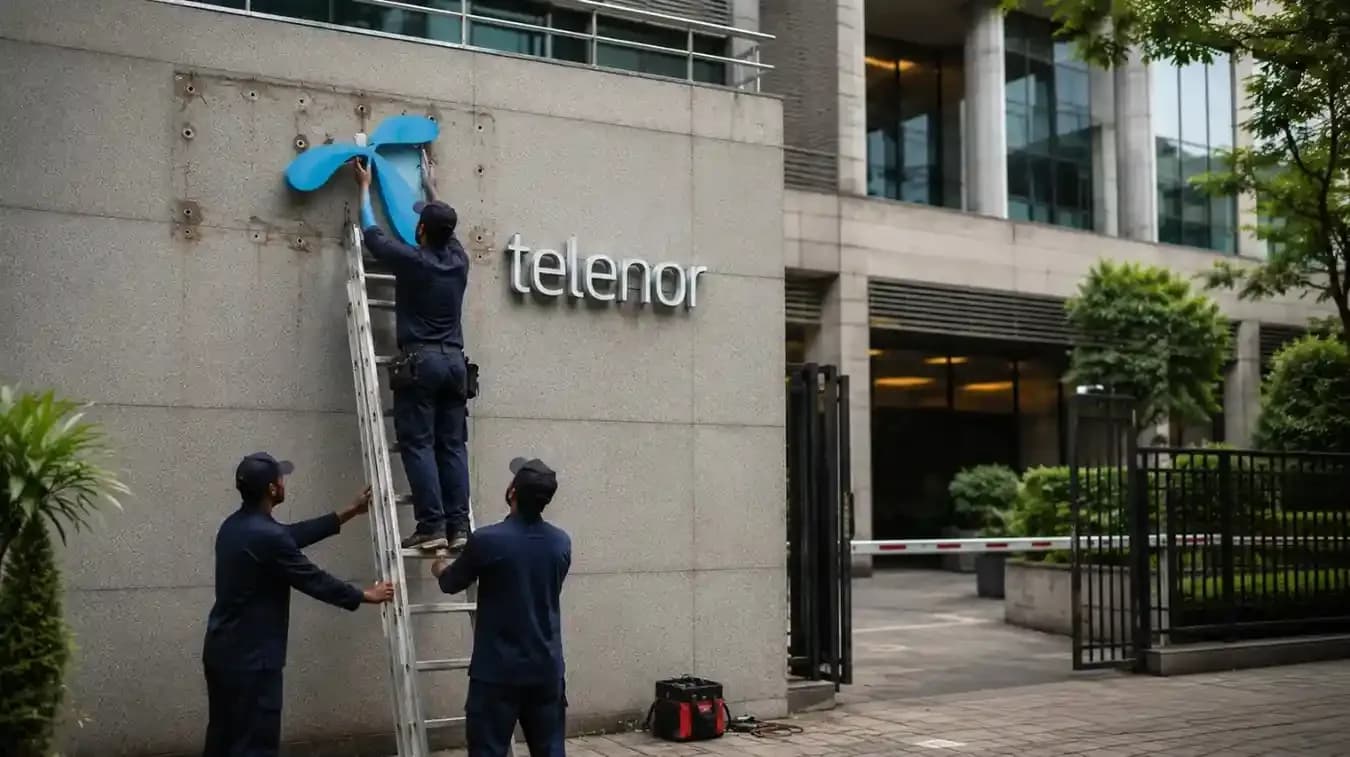
Govt Misses Gas Tariff Deadline Under IMF Reform Plan

Govt Misses Gas Tariff Deadline Under IMF Reform Plan
Govt Misses Deadline for Notifying Gas Tariff Under IMF Programme
Pakistan has missed the deadline for notifying the new gas tariff adjustment required under the IMF’s $7 billion Extended Fund Facility (EFF). The delay has raised concerns because energy sector reforms remain a key condition for improving financial stability and controlling the growing circular debt crisis.
The government was required to announce the biannual gas tariff adjustment from July 1, 2026. However, legal complications related to the Oil and Gas Regulatory Authority (Ogra) leadership and disagreements over unaccounted-for-gas (UFG) reduction targets delayed the process.
Energy pricing decisions are never simple. They affect households, industries, businesses, and the overall economy. In countries like the USA, energy regulators also follow strict review processes before approving price adjustments because consumers need transparency and predictable policies.
Why Pakistan Missed the Gas Tariff Notification Deadline
The delay was linked to several regulatory and administrative challenges. Officials explained that questions over the appointment of acting Ogra chairman Nabeel Ahmad Awan created uncertainty during the tariff approval process.
The situation became more complicated due to changing global energy prices, which are an important factor in determining gas costs.
Key reasons behind the delay include:
Legal concerns regarding Ogra leadership
Pending decisions on gas company revenue requirements
Global energy price fluctuations
Disagreement over UFG reduction strategies
According to officials, Ogra completed the required procedures for determining revenue requirements of gas companies. However, further discussions continued over how gas losses should be reduced.
IMF Gas Tariff Reform Commitment and Its Importance
Under the IMF programme, Pakistan agreed to maintain energy tariffs at cost-recovery levels. The purpose of this reform is to prevent further accumulation of circular debt and improve the financial position of energy companies.
The IMF considers energy sector reforms essential because continued losses can affect government finances and economic stability.
The government committed to:
Implementing timely tariff adjustments
Reducing losses in gas distribution systems
Improving energy data management
Strengthening coordination between institutions
From experience, one common mistake in energy reforms is focusing only on increasing prices without improving efficiency. Consumers are more likely to accept tariff changes when they see better services, reduced losses, and transparent decision-making.
Understanding the UFG Challenge in Pakistan’s Gas Sector
Unaccounted-for-gas (UFG) losses remain one of the biggest challenges for Pakistan’s gas industry. These losses represent gas that enters the system but is not properly recorded or recovered.
Historically, gas companies have struggled to achieve annual UFG reduction targets. Losses have remained between 9% and 14%, creating additional financial pressure on the sector.
The new approach focuses on creating specific reduction plans for individual gas custody transfer stations (CTS) instead of applying general targets.
This method aims to identify problem areas more accurately and improve accountability across the gas distribution network.Impact of Gas Tariff Reforms on Pakistan’s Economy and Consumers
The delay in the gas tariff notification is not only a regulatory issue but also a major economic concern. Pakistan’s gas sector is already facing circular debt of more than Rs3.44 trillion, creating pressure on energy companies and government finances.
A sustainable energy system requires a balance between affordable prices for consumers and enough revenue for companies to maintain operations. Without proper cost recovery, energy providers often struggle to invest in infrastructure, reduce losses, and improve service quality.
In many cases, energy reforms succeed when governments focus on both pricing and efficiency. For example, energy markets in countries like the USA combine regulatory oversight, consumer protection measures, and infrastructure investment to maintain reliability.
How Circular Debt Affects the Gas Sector
Circular debt occurs when financial problems move through different parts of the energy chain. When companies cannot recover costs, payments are delayed, affecting suppliers and overall sector performance.
Major impacts include:
Limited investment in gas infrastructure
Increased financial pressure on energy companies
Delays in maintenance and system upgrades
Greater burden on government finances
Reduced confidence among investors
From experience, solving circular debt requires more than tariff adjustments. Strong management systems, accurate billing, and better monitoring are equally important.
Government’s Plan to Improve Gas Sector Management
The government has introduced several measures to improve monitoring and reduce financial challenges in the gas sector.
These initiatives include:
A circular debt monitoring dashboard
Quarterly reporting system for gas sector debt flows
Better data sharing between energy institutions
Development of a new Circular Debt Management Plan
The goal is to create a more transparent system where decision-makers can identify problems earlier and take corrective action.
One common mistake people make is assuming that higher tariffs alone can solve energy sector problems. Without reducing operational losses, price increases may only provide temporary relief.
Comparison Table: Traditional Approach vs Reform-Based Energy Management
Area | Traditional Energy Management | Reform-Based Approach |
|---|---|---|
Tariff Decisions | Often delayed due to administrative issues | Based on planned review schedules |
Loss Reduction | General targets with limited monitoring | Specific targets for each network area |
Financial Control | Reactive solutions | Regular tracking and reporting |
Consumer Communication | Limited information sharing | Greater transparency and public awareness |
Pros and Cons of Gas Tariff Reforms
Gas tariff reforms can bring improvements, but they also create challenges for consumers and businesses.
Pros:
Helps reduce circular debt pressure
Improves financial stability of gas companies
Encourages better resource management
Supports long-term energy planning
Cons:
May increase household expenses
Can raise production costs for industries
Requires strong consumer protection measures
Poor implementation may reduce public support
A balanced reform strategy should protect vulnerable consumers while ensuring that the energy sector becomes financially sustainable.
Customer Experience and Real-World Impact
For ordinary consumers, gas tariff changes are felt through monthly household bills and business operating costs.
Families using gas for cooking and heating may need to adjust household budgets, while industries may face higher production expenses if energy costs increase.
Discussions on platforms like Quora often show that consumers are less concerned about necessary reforms when governments clearly explain reasons, provide support options, and improve service quality.
The key question is not only whether tariffs increase, but whether consumers receive a more reliable and efficient energy system in return.Comparing Pakistan’s Gas Sector Reforms with International Energy Models
Pakistan’s gas tariff reforms are part of a larger challenge faced by many countries: maintaining affordable energy while ensuring that energy companies remain financially stable.
Different countries follow different approaches to energy pricing and regulation. The main difference is often not the tariff system itself but the transparency, monitoring, and consumer protection mechanisms behind it.
Countries with stronger energy systems usually combine pricing reforms with better infrastructure, accurate data collection, and independent regulatory oversight.
Comparison: Pakistan vs International Energy Management Approaches
When comparing Pakistan’s gas sector reforms with international models, several differences become clear.
Feature | Pakistan Gas Sector | International Energy Models |
|---|---|---|
Tariff Adjustment | Often faces delays due to regulatory and administrative issues | Usually follows fixed review schedules |
Loss Management | UFG losses remain a major challenge | Uses advanced tracking and enforcement systems |
Consumer Support | Requires stronger protection mechanisms | Often includes targeted assistance programmes |
Infrastructure | Ageing networks create efficiency issues | Regular upgrades and technology investment |
Data Management | Improving through new dashboards and reporting | Uses real-time monitoring systems |
For example, energy regulators in the USA often use detailed reviews before approving rate changes. Utility companies must justify costs, while regulators consider consumer impact and service quality.
Pakistan’s challenge is not only setting prices but also creating confidence that reforms will improve the entire energy system.
What Consumers Should Know Before Gas Tariff Changes
Energy price adjustments can create uncertainty, especially for households and businesses already managing rising costs.
Consumers should understand that tariff decisions are usually connected with:
Cost of gas supply
Company revenue requirements
Infrastructure expenses
Loss reduction targets
Government policy commitments
From experience, public reaction becomes more positive when authorities explain the reasons behind changes instead of announcing decisions without proper communication.
Practical Steps for Better Energy Reforms
To make gas sector reforms more effective, Pakistan can focus on several areas:
Improve gas theft prevention systems
Upgrade ageing pipelines and infrastructure
Use technology for accurate measurement
Publish clear tariff calculation methods
Create targeted support for vulnerable consumers
A transparent process can help build trust between energy companies, regulators, and the public.
Why UFG Reduction Remains the Key Challenge
The biggest long-term issue is reducing gas losses. Without controlling UFG, even regular tariff adjustments may not fully solve the financial problems of the sector.
The new approach of setting custody transfer station (CTS)-specific targets could provide better results because it identifies where losses are occurring.
However, success will depend on proper implementation, regular monitoring, and accountability from gas companies.
A strong energy system is built through continuous improvement, not only through price changes. Pakistan’s reform journey will depend on whether financial adjustments are supported by practical operational improvements.Future of Pakistan’s Gas Sector: Steps Toward Stability and Consumer Confidence
The missed deadline for notifying the gas tariff adjustment under the IMF programme highlights the challenges Pakistan faces in balancing economic reforms with public concerns.
The government’s priority is to improve energy sector stability, reduce circular debt, and meet international commitments. However, long-term success will depend on how effectively reforms are implemented and communicated to consumers.
A sustainable gas sector requires more than tariff revisions. It needs better infrastructure, stronger monitoring, reduced losses, and responsible management.
Key Measures Needed for a Better Energy Future
To improve the gas sector, policymakers and regulators need to focus on practical solutions rather than temporary fixes.
Important steps include:
Completing tariff decisions within announced timelines
Reducing unaccounted-for-gas losses through targeted action
Improving coordination between energy institutions
Investing in modern gas monitoring systems
Protecting low-income consumers through targeted support
From experience, successful reforms happen when governments explain the purpose behind decisions and show measurable improvements after implementation.
Customer Experience Highlights: What People Expect From Energy Reforms
Consumers usually judge energy policies based on their daily experiences. They want reliable supply, predictable bills, and clear information about price changes.
Common expectations include:
Fewer supply disruptions
Accurate billing systems
Better complaint resolution
Fair pricing policies
Improved service quality
Discussions among consumers on platforms like Quora often highlight that people may accept difficult economic decisions when they see transparency and better services.
The real measure of energy reform is not only the tariff number but whether the overall system becomes more reliable.
Final Thoughts on Gas Tariff Reforms and IMF Commitments
Pakistan’s gas sector faces a difficult situation with rising financial pressure and the need to meet IMF reform commitments.
The delayed gas tariff notification is a technical setback, but it also provides an opportunity to improve the decision-making process. Clear policies, stronger accountability, and better loss management can help create a more stable energy system.
The government’s upcoming Circular Debt Management Plan and improved reporting mechanisms will play an important role in determining whether these reforms deliver lasting results.
Stay Updated With Pakistan’s Energy and Economic Developments
Energy policies directly affect households, businesses, and the national economy. Understanding these changes helps people make better financial decisions and stay prepared for future developments.
Follow PehlePakistan.pk for reliable updates, expert insights, and the latest news about Pakistan’s economy, energy sector, and government policies.
Stay informed about important decisions that shape the country’s future.
Frequently Asked Questions (FAQs)
1. Why did Pakistan miss the gas tariff notification deadline?
Pakistan missed the deadline due to legal concerns regarding Ogra leadership, global energy price factors, and unresolved UFG reduction targets.
2. What is the IMF $7 billion Extended Fund Facility?
The IMF Extended Fund Facility is a financial support programme designed to help countries implement economic reforms and improve financial stability.
3. How much circular debt exists in Pakistan’s gas sector?
Pakistan’s gas sector circular debt has reached more than Rs3.44 trillion, creating significant financial pressure.
4. What are UFG losses in the gas sector?
Unaccounted-for-gas (UFG) losses refer to gas that enters the distribution system but is not properly recorded, recovered, or accounted for.
5. Will the new gas tariff increase consumer bills?
Gas tariff adjustments may affect consumer bills, but the final impact depends on government decisions, consumer categories, and pricing structures.
6. Why does the IMF focus on energy sector reforms?
The IMF considers energy reforms important because reducing financial losses helps improve economic stability and prevents future debt accumulation.
7. How can Pakistan reduce gas sector circular debt?
Pakistan can reduce circular debt through better loss management, improved billing systems, infrastructure upgrades, transparent reporting, and effective governance.
Topics in this story
Article Details
Category: Business
Published: 7 July 2026
Time: 12:33 pm
Updated: 7 July 2026 at 1:17 pm
Author: Rabia
More Stories