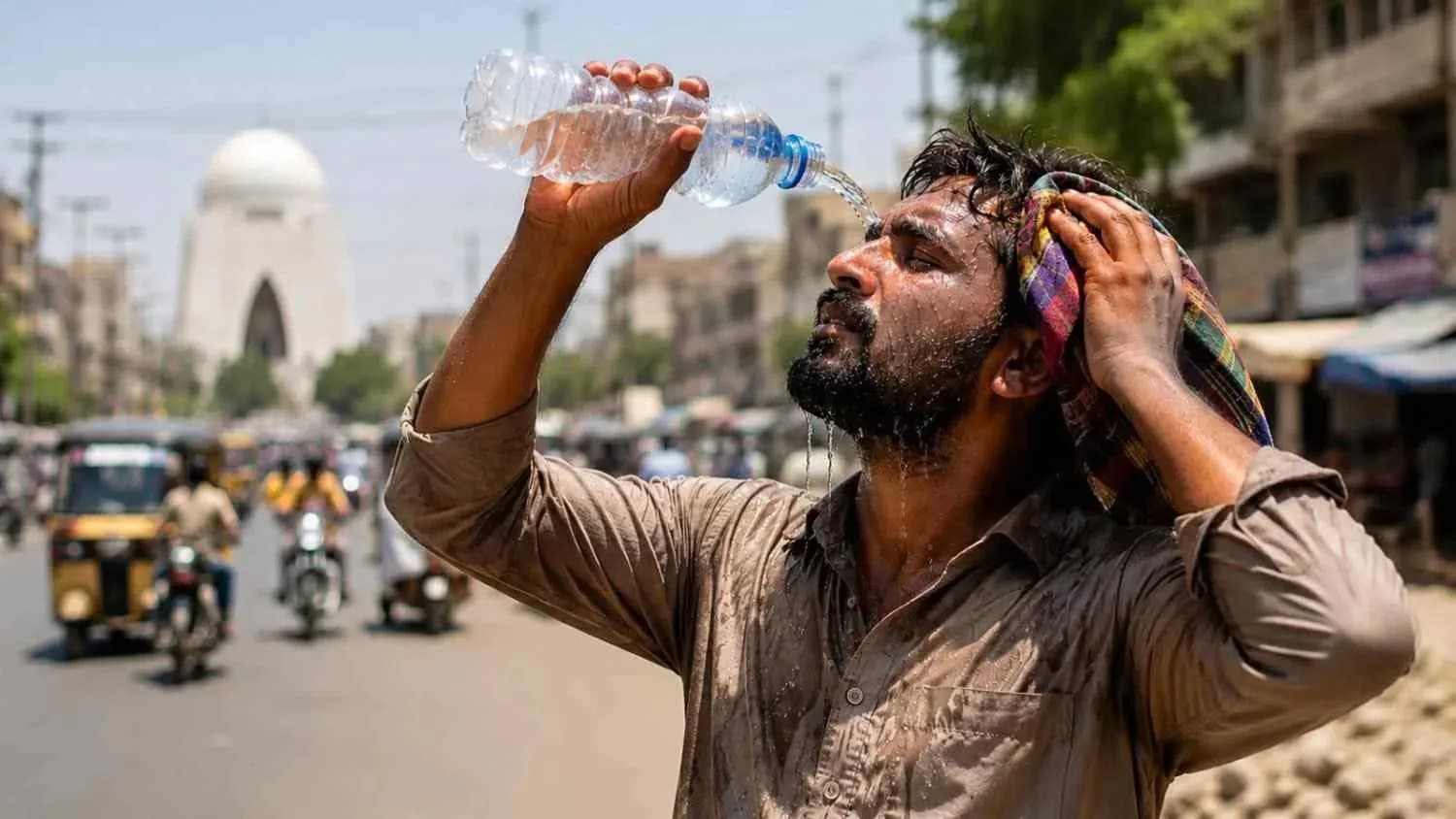
Introduction: Why Heat Stroke Prevention Matters
Extreme summer temperatures are becoming a serious health concern worldwide. Heat stroke is not just feeling uncomfortable in hot weather; it is a medical emergency where the body loses its ability to regulate temperature properly.
Heat Stroke Prevention starts with awareness, hydration, and smart daily choices. From experience, many people ignore early signs like dizziness or weakness because they assume it is normal summer fatigue. This delay can turn a manageable condition into a dangerous situation.
Whether you are working outdoors, traveling, exercising, or caring for children and elderly family members, understanding heat safety can protect lives.
Understanding Heat Stroke and Its Risks
What Happens During Heat Stroke?
Heat stroke occurs when body temperature rises above 40°C (104°F) and the cooling system fails. The condition can affect the brain, heart, kidneys, and other organs if immediate action is not taken.
Many people confuse heat exhaustion with heat stroke. Understanding the difference helps you respond quickly.
Heat Exhaustion | Heat Stroke |
|---|---|
Heavy sweating | Hot skin and reduced sweating |
Weakness and dizziness | Confusion or unconsciousness |
Improves with rest | Requires emergency care |
One common mistake people make is waiting too long before getting help. Heat stroke can progress quickly, especially among vulnerable people.
Effective Ways to Prevent Heat Stroke
Stay Hydrated and Stay Cool
Proper hydration is the foundation of summer safety. Drink water regularly instead of waiting until you feel thirsty. During heavy sweating, electrolyte drinks, coconut water, and lemon water can help replace lost minerals.
Other prevention methods include:
Wearing loose, light-colored clothing
Using hats and sunglasses outdoors
Avoiding direct sunlight during peak hours
Taking regular breaks in shaded areas
In many cases, simple lifestyle changes provide better protection than expensive solutions.
Heat Stroke Symptoms You Should Never Ignore
Early Warning Signs
Recognizing symptoms early can prevent serious complications.
Common warning signs include:
Headache
Dizziness
Weakness
Nausea
Fast heartbeat
Confusion
Severe symptoms may include seizures, unconsciousness, or unusual behavior. If someone shows these signs, immediate cooling and medical assistance are necessary.
A real-world example is outdoor workers who often continue working despite dizziness. Taking a short break at the right time can prevent a medical emergency.
Heat Stroke First Aid and Emergency Response
Immediate Steps That Can Save a Life
If someone experiences heat stroke:
Move them to a cooler location.
Remove extra clothing.
Cool their body with water, wet towels, or fans.
Give fluids only if they are fully conscious.
Contact emergency services if symptoms are severe.
Avoid common mistakes like forcing water on an unconscious person or applying ice directly to skin.
Pros and Cons of Home Cooling Methods
Pros:
Quick action can reduce body temperature
Easy methods like water and fans are widely available
Cons:
Home cooling is not a replacement for medical treatment
Severe cases require professional care
High-Risk Groups and Summer Safety
Who Needs Extra Protection?
Some people are more vulnerable to heat-related illnesses:
Elderly individuals
Young children
Pregnant women
Outdoor workers
People with chronic conditions
Compared with general safety advice, personalized protection works better. For example, outdoor workers may need frequent breaks, while elderly people may require regular hydration reminders.
Stay Prepared and Protect Your Family
Simple Habits Create Strong Protection
Heat safety is not about one action; it is about consistency.
Daily checklist:
Drink enough water
Check weather conditions
Avoid extreme afternoon heat
Wear breathable clothing
Keep emergency contacts available
From experience, families who prepare early handle extreme temperatures much better.
Call to Action
Do not wait for a heat emergency to learn safety measures. Share these heat stroke prevention tips with your family, coworkers, and friends. A few minutes of awareness can protect someone’s life.
Frequently Asked Questions
1. What is the best way to prevent heat stroke?
Stay hydrated, avoid extreme heat exposure, and keep your body cool through proper clothing and planning.
2. What are the first signs of heat stroke?
Common signs include dizziness, confusion, headache, weakness, and high body temperature.
3. Can heat stroke happen indoors?
Yes. Poor ventilation and extreme indoor temperatures can also cause heat stroke.
4. Who is most at risk of heat stroke?
Children, elderly people, outdoor workers, and people with certain health conditions face higher risks.
5. What should I do if someone has heat stroke?
Move them to a cooler place, cool their body quickly, and seek medical help if symptoms are serious.
6. Does drinking water prevent heat stroke?
Regular hydration reduces risk, but avoiding extreme heat exposure is also important.
7. Can heat stroke cause long-term problems?
Yes. Severe cases may damage organs and require medical follow-up.
Article Details
Category: Pakistan
Published:
Updated:
Author: Fiza
More Stories