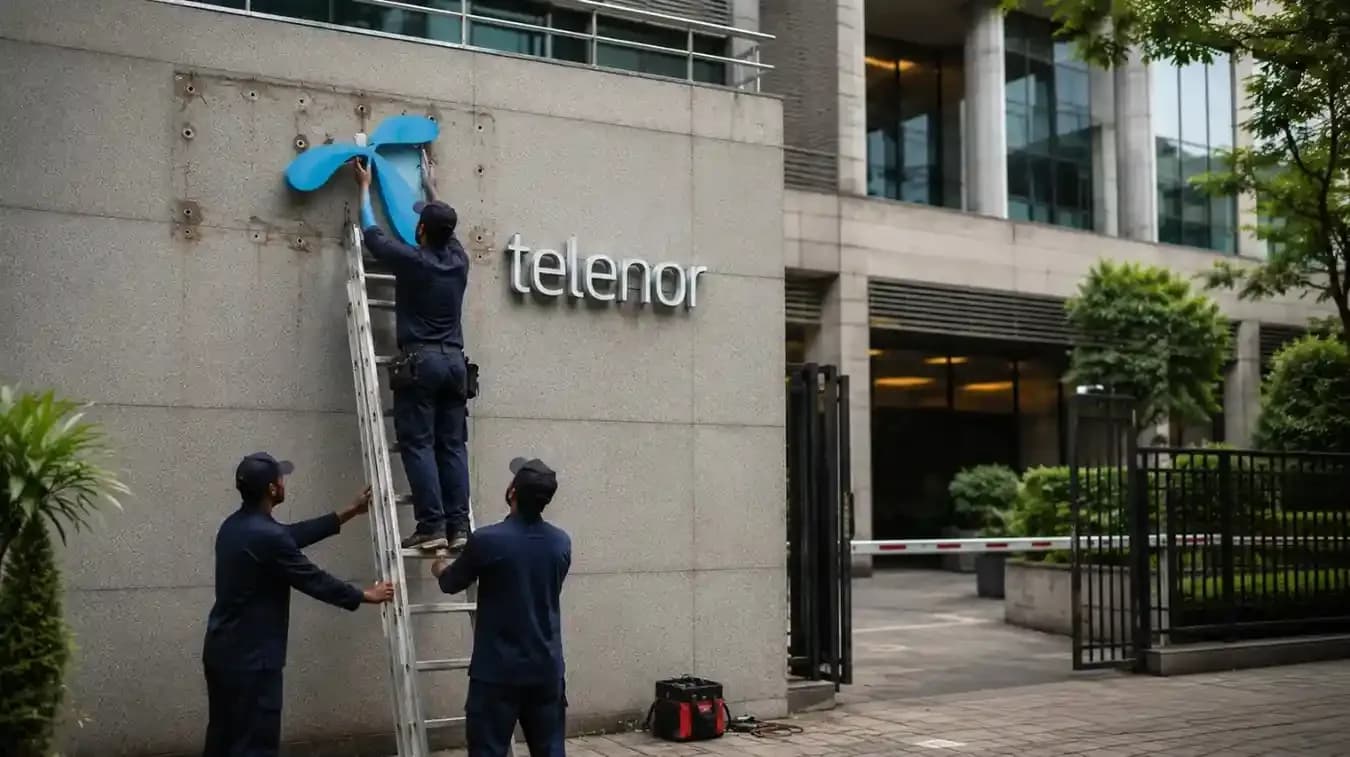
Huawei Bets On Speed To Sidestep U.S. Chip Sanctions

Huawei Bets On Speed To Sidestep U.S. Chip Sanctions
What happens when one of the world’s biggest tech companies suddenly loses easy access to advanced chips? For Huawei, the answer appears to be simple: move faster than the sanctions themselves.
Chinese tech giant Huawei is accelerating its efforts to build homegrown semiconductor technology as U.S. export restrictions continue to tighten. Instead of slowing down, the company is now betting heavily on speed, rapid product development, and local supply chains to protect its smartphone and AI ambitions.
Huawei’s New Survival Strategy
Over the past few years, Huawei has faced repeated limits on access to advanced chips and chipmaking equipment from American suppliers. These restrictions affected everything from premium smartphones to artificial intelligence infrastructure.
In many cases, companies under pressure choose to cut costs and wait for market conditions to improve. Huawei appears to be doing the opposite. The company is pushing faster product launches and investing aggressively in local alternatives.
From experience, speed often becomes a company’s biggest weapon during supply chain uncertainty. Huawei knows delays could hand more market share to rivals in China and overseas.
Focus on Local Chip Production
The company has reportedly increased cooperation with Chinese semiconductor firms to reduce dependence on foreign technology. Huawei is also expanding its software ecosystem to make its devices less reliant on U.S.-based platforms.
One common mistake people make is assuming sanctions only affect governments. In reality, they can reshape the daily technology choices of ordinary consumers. If smartphone production slows or component prices rise, customers eventually pay the difference.
For many families, rising electronics costs can feel similar to car spare parts becoming expensive overnight. Suddenly, replacing a phone or laptop becomes a budget decision rather than a simple upgrade.
AI and Smartphones Remain a Priority
Huawei’s recent product launches show the company is still determined to compete in premium smartphones and artificial intelligence systems. Industry analysts believe Huawei wants to prove that Chinese firms can continue innovating even with limited access to top-tier Western technology.
Its latest devices have already attracted attention for using advanced processors developed largely inside China. While these chips may not fully match the most cutting-edge global competitors, Huawei’s rapid rollout strategy keeps it relevant in an extremely competitive market.
| Area | Huawei’s Current Approach |
|---|---|
| Chip Supply | Expanding partnerships with Chinese firms |
| Software | Strengthening independent ecosystem |
| AI Development | Increasing investment in local AI hardware |
| Smartphones | Faster launch cycles and premium devices |
Global Tech Industry Watching Closely
The broader technology industry is paying close attention to Huawei’s strategy because it could influence how other companies respond to geopolitical pressure in the future.
If Huawei succeeds in maintaining strong sales despite sanctions, more firms may accelerate local manufacturing and software independence strategies. That could gradually reshape the global semiconductor market over the next decade.
At the same time, challenges remain significant. Advanced chipmaking still depends heavily on highly specialized tools and expertise that are difficult to replace quickly.
Closing Thought
Huawei’s push for speed reflects a larger shift happening across the global technology industry. Companies are no longer focusing only on innovation and profits. Supply chain control, domestic production, and technological independence are now just as important. Whether Huawei can fully overcome the impact of U.S. restrictions remains uncertain, but its aggressive pace shows the company has no intention of stepping out of the race.
Quick Facts
- Huawei continues investing heavily in local semiconductor development
- U.S. sanctions have limited access to advanced chip technology
- AI systems and premium smartphones remain key priorities
- Chinese supply chain partnerships are expanding rapidly
Article Details
Category: Technology
Published: 29 May 2026
Time: 10:41 am
Updated: 1 June 2026 at 8:19 pm
Author: Muhammad Anus
More Stories