Quick Answer: What Is Happening in the Iran Conflict?
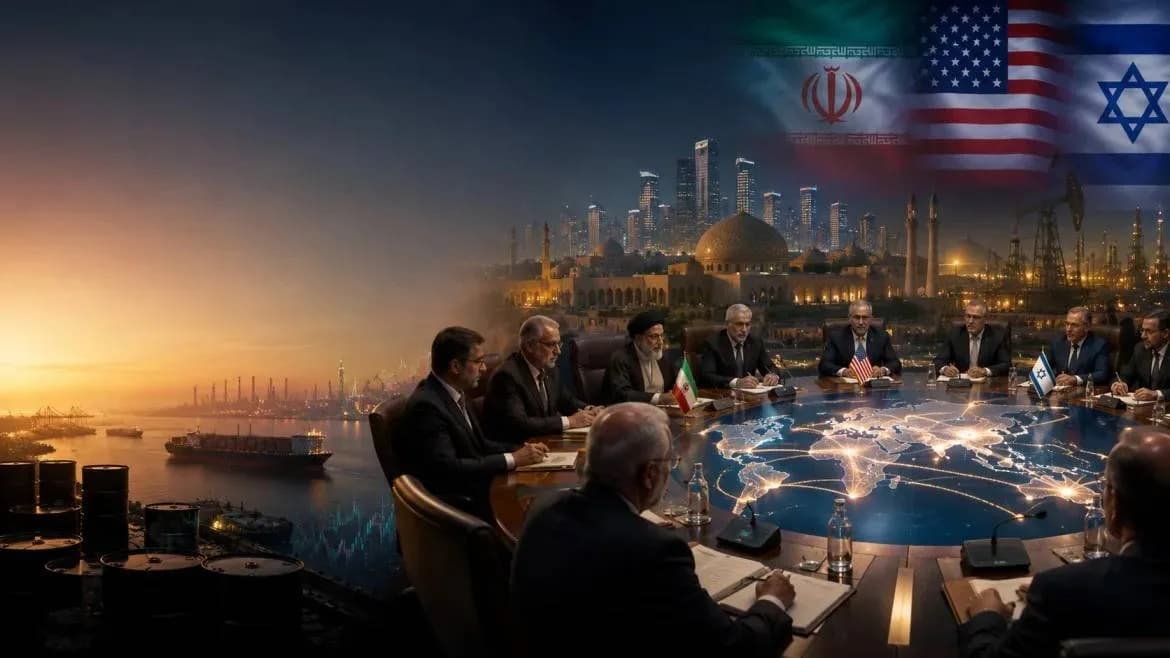
The Iran conflict has entered a sensitive phase as diplomatic talks, military concerns, and regional tensions continue to develop. The United States, Iran, and Israel remain at the center of discussions, while global leaders watch closely because any escalation could affect energy markets, international trade, and Middle East security.
Iran Conflict Developments: Diplomacy Meets Growing Security Concerns
The latest Iran conflict developments show a complicated mix of negotiation and pressure. While US and Iranian officials continue exploring diplomatic options, concerns remain high due to ongoing military activities and political disagreements.
According to recent discussions, US officials have indicated that some progress has been made, but major challenges remain. President Donald Trump has also maintained a firm stance toward Tehran, creating uncertainty about whether negotiations can lead to a long-term solution.
From experience covering international affairs, one common mistake people make is viewing these situations as only political disputes. In reality, conflicts like this can quickly influence fuel prices, business confidence, travel decisions, and everyday costs worldwide.
Why Does the Iran Conflict Matter Globally?
The impact of tensions between Iran, the United States, and Israel goes beyond regional borders. Global economies remain connected, and instability in one important region can create ripple effects.
Key areas facing possible impacts include:
Global oil prices and energy supplies
International shipping routes
Investor confidence
Regional security conditions
Trade and supply chains
The Strait of Hormuz remains a major concern because it is one of the world’s busiest energy routes. Any disruption could affect countries that depend on stable oil supplies, including the United States and European markets.
US, Iran, and Israel: Comparing Different Approaches
Country | Main Focus | Current Approach |
|---|---|---|
United States | Regional stability and security | Combining diplomacy with pressure |
Iran | National interests and security concerns | Negotiating while maintaining strong positions |
Israel | Preventing regional threats | Closely monitoring Iran’s actions |
Each side has different priorities, which makes reaching a quick agreement difficult. A successful diplomatic outcome would require compromise from all involved parties.
Diplomatic Talks vs Military Escalation: Possible Outcomes
Situation | Potential Benefits | Possible Risks |
|---|---|---|
Diplomatic Agreement | Reduced tensions, market stability, improved security | Negotiations may fail |
Continued Pressure | Stronger political leverage | Increased regional uncertainty |
Military Escalation | Short-term strategic advantage for some sides | Higher global economic risks |
In many cases, diplomacy provides the most stable path because military actions often create consequences that extend beyond the original conflict.
Pros and Cons of Current Diplomatic Efforts
Pros
Creates opportunities to avoid wider conflict
Helps protect global energy markets
Opens communication between opposing sides
May improve regional stability
Cons
Negotiations can take months or longer
Political disagreements remain significant
Trust between involved countries is limited
One important factor often missed is public confidence. Businesses and investors usually react not only to actual events but also to uncertainty surrounding future decisions.
Real-World Impact: How People and Businesses Are Affected
For ordinary citizens, international conflicts may feel distant until prices start changing. American consumers, for example, may notice changes through fuel costs, transportation expenses, or market fluctuations.
Businesses that depend on international shipping also monitor these developments carefully. A company importing goods from overseas may face higher costs if energy prices or shipping routes become unstable.
From a global investor’s perspective, predictable markets are valuable. Even the possibility of disruption can influence financial decisions.
What Happens Next in the Iran Conflict?
The coming days will likely depend on diplomatic progress, military decisions, and responses from regional allies.
Important factors to watch include:
Future US-Iran negotiations
Israel’s security decisions
Iran’s diplomatic position
Stability of global energy routes
Stay Updated on Major Global Developments
The Iran conflict remains one of the most important geopolitical issues of 2026. As negotiations continue and regional tensions evolve, staying informed through reliable updates can help readers understand how these events may affect security, markets, and everyday life.
FAQs About the Iran Conflict
What is causing the current Iran conflict tensions?
The current tensions involve disagreements over security issues, regional influence, and diplomatic challenges between Iran, the United States, and Israel.
How could the Iran conflict affect oil prices?
Any disruption in major energy routes could reduce supply confidence and potentially increase global oil prices.
Why is the Strait of Hormuz important?
The Strait of Hormuz is a key shipping route for global energy transportation, making its stability important for international markets.
Are the US and Iran still negotiating?
Reports indicate that diplomatic discussions are continuing, although major differences remain between both sides.
What role does Israel play in the Iran situation?
Israel remains focused on regional security concerns and closely monitors developments related to Iran.
Could the conflict impact the global economy?
Yes. Increased tensions could affect energy costs, trade routes, investment markets, and business confidence.
What could reduce tensions in the region?
Successful diplomacy, communication between countries, and agreements on security concerns could help lower tensions.
Topics in this story
Article Details
Category: Global
Published:
Updated:
Author: Fiza
More Stories