Quick Answer
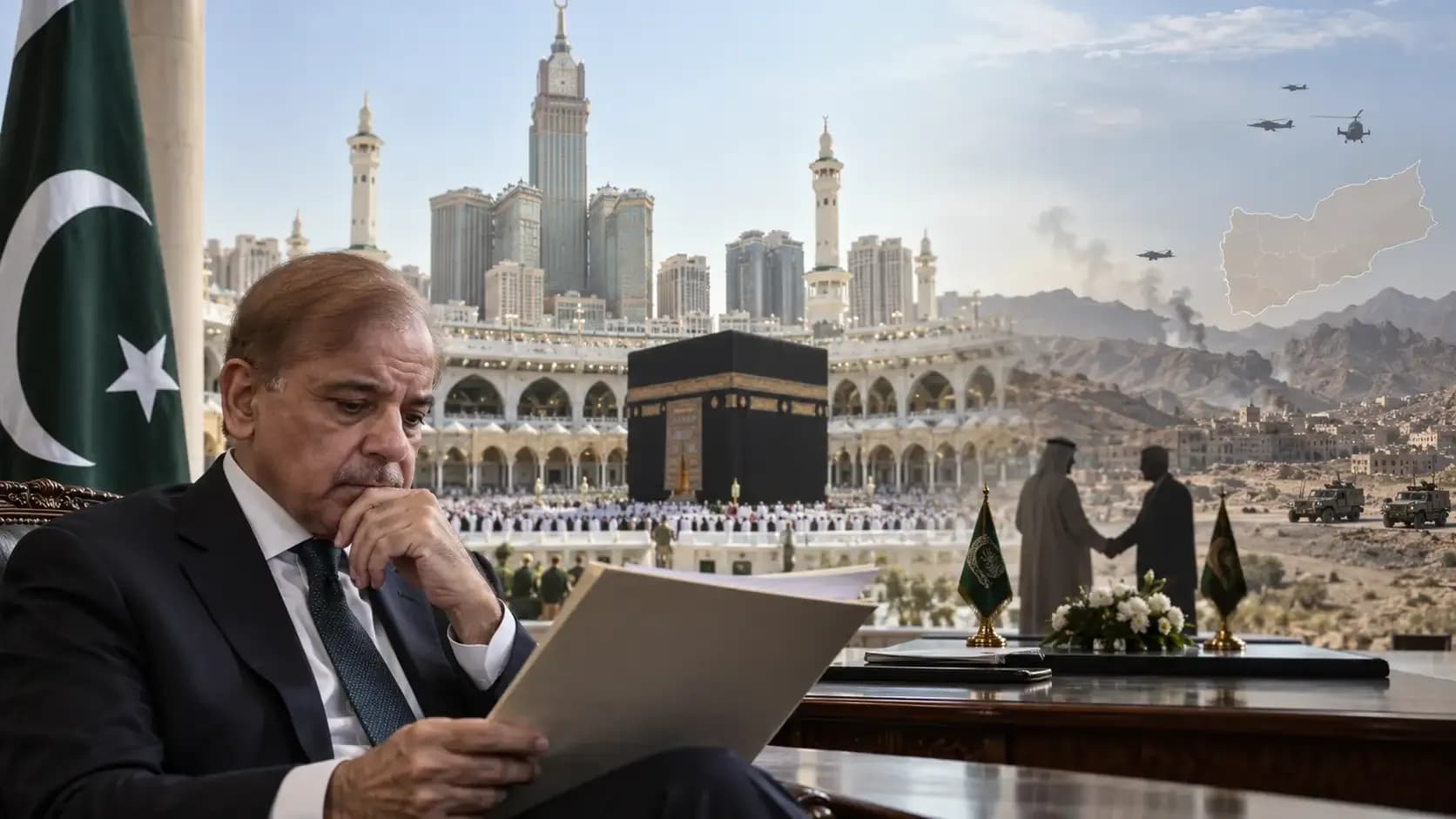
Field Marshal Asim Munir Meets Iranian President, Discusses Regional Peace and Stability marks another important diplomatic engagement between Pakistan and Iran. During the official meeting in Tehran, Field Marshal Syed Asim Munir and Iranian President Masoud Pezeshkian discussed regional peace, security, bilateral cooperation, and continued dialogue to ease tensions across the Middle East. The talks also reflected both countries' commitment to strengthening long-term cooperation.
Field Marshal Asim Munir Meets Iranian President, Discusses Regional Peace and Stability
Field Marshal Syed Asim Munir met Iranian President Masoud Pezeshkian during his official visit to Tehran at a time when regional diplomacy is receiving greater international attention. The meeting focused on strengthening bilateral ties while addressing the changing security landscape in the Middle East.
Both leaders agreed that dialogue remains the most practical way to reduce tensions and build lasting peace. Pakistan has consistently supported diplomatic engagement instead of confrontation, making this meeting significant for observers following regional developments.
Key Highlights of the Meeting
Discussion on regional peace and security
Commitment to diplomatic dialogue
Focus on Pakistan-Iran bilateral cooperation
Support for peaceful conflict resolution
Emphasis on regional stability and economic cooperation
Why This Meeting Matters
Regional stability directly affects trade, border security, and economic growth. Strong communication between neighboring countries can help prevent misunderstandings and encourage cooperation on shared challenges.
From experience, diplomatic meetings like this rarely produce immediate policy changes. Instead, they lay the foundation for future agreements, stronger partnerships, and continued dialogue during uncertain geopolitical situations.
What the Talks Mean for Pakistan-Iran Relations
Pakistan and Iran share decades of cultural, religious, and economic ties. The discussions extended beyond security matters and highlighted opportunities for cooperation in border management, trade, energy, and regional connectivity.
As both countries continue engaging through diplomatic channels, stronger collaboration could improve economic opportunities and contribute to greater regional stability. Analysts also believe Pakistan's increasing role in regional diplomacy enhances its position as a country willing to facilitate peaceful dialogue among neighboring states.
Comparison of Diplomatic Priorities
Pakistan's Focus | Iran's Focus | Shared Objective |
|---|---|---|
Regional dialogue | Regional stability | Peaceful cooperation |
Border security | Security cooperation | Safer borders |
Economic connectivity | Trade expansion | Mutual economic growth |
Diplomatic engagement | Regional partnerships | Long-term stability |
Pros and Cons of Continued Diplomatic Engagement
Pros | Cons |
|---|---|
Encourages peaceful solutions | Progress can take time |
Builds stronger bilateral trust | Regional tensions may delay outcomes |
Supports trade and economic cooperation | Diplomatic agreements require sustained commitment |
Improves regional communication | External geopolitical factors may influence progress |
Comparison with Other Regional Diplomatic Efforts
Unlike short-term diplomatic meetings focused only on crisis management, Pakistan and Iran continue emphasizing long-term cooperation across multiple sectors, including security, trade, and regional connectivity. This broader approach provides greater opportunities for sustainable relationships instead of temporary political understandings.
Public and Expert Reactions
Regional affairs experts generally view continued dialogue as a positive step toward reducing tensions. Similar discussions on international policy forums and public opinion platforms often highlight that consistent communication between neighboring countries lowers the risk of misunderstandings and creates opportunities for practical cooperation over time.
Stay Updated on Pakistan's Latest Developments
Diplomatic engagements continue to shape Pakistan's role in regional affairs. Follow PehlePakistan.pk for verified news, government updates, international developments, and in-depth analysis that helps you understand what these high-level meetings mean for Pakistan and the wider region.
Frequently Asked Questions
1. Why did Field Marshal Asim Munir visit Iran?
He visited Tehran for high-level discussions with Iranian President Masoud Pezeshkian on regional peace, security, and bilateral cooperation.
2. What were the main topics discussed?
The meeting focused on regional stability, diplomatic dialogue, Pakistan-Iran relations, trade, border cooperation, and Middle East security.
3. Why is this meeting important?
It highlights the commitment of both countries to resolving regional challenges through dialogue instead of conflict.
4. How can Pakistan and Iran benefit from stronger relations?
Closer cooperation can improve trade, border security, energy collaboration, and regional connectivity.
5. Does the meeting affect Middle East diplomacy?
It contributes to broader diplomatic efforts aimed at reducing tensions and encouraging peaceful regional engagement.
6. Is Pakistan playing a larger diplomatic role?
Yes. Pakistan has become increasingly active in supporting dialogue and regional peace initiatives across neighboring countries.
7. Will this meeting lead to immediate policy changes?
Major diplomatic meetings usually establish long-term cooperation rather than producing immediate policy outcomes.
Article Details
Category: News
Published:
Updated:
Author: Fiza
More Stories