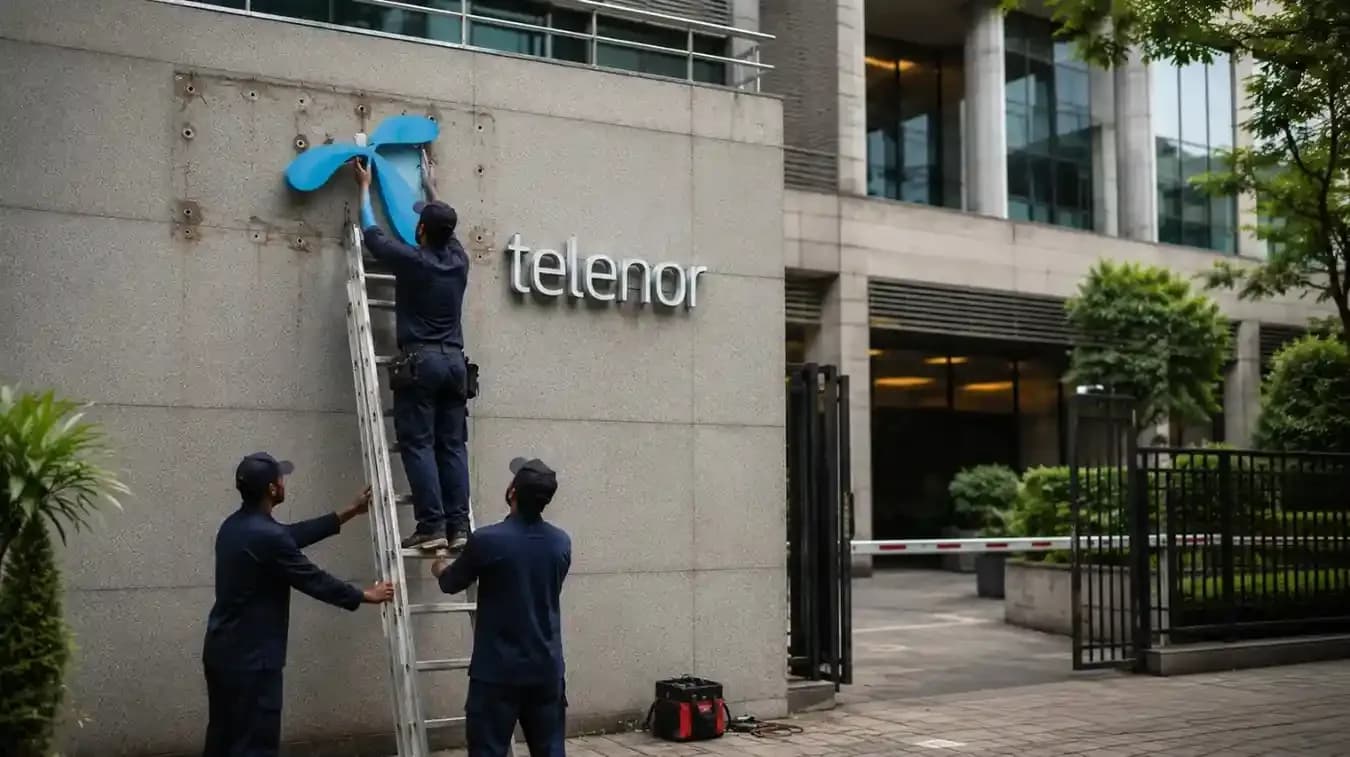
Pakistan-China firms sign MoUs worth $7B across multiple sectors.

Pakistan-China firms sign MoUs worth $7B across multiple sectors.
Pakistan-China Firms Sign $7B MoUs to Push New Investment Wave
Can signed MoUs become factories, jobs, exports, and real growth for Pakistan? Pakistani and Chinese firms have signed memorandums of understanding worth around $7 billion across multiple sectors, raising hopes for deeper business cooperation beyond traditional CPEC infrastructure.
Closing Thought
The $7 billion MoUs show strong interest in Pakistan-China commercial cooperation, but the next step matters more than the signing ceremony. If both sides convert these commitments into bankable projects, Pakistan can gain jobs, technology transfer, export capacity, and stronger industrial confidence.
Quick Facts Box
- Pakistan-China firms signed MoUs worth around $7 billion.
- The deals cover multiple sectors including agriculture, EVs, energy, health, steel and technology.
- The cooperation supports CPEC’s next phase of industrial and export-led growth.
- Execution, security, financing and approvals will decide the final impact.
Why These MoUs Matter
The new MoUs reflect a wider shift in Pakistan-China economic ties. The focus is moving from roads, ports, and power plants toward business-to-business investment, industrial relocation, agriculture modernization, digital services, and value-added manufacturing.
In many cases, MoUs are the first serious step before a commercial project begins. They show intent, but companies still need feasibility studies, financing, land access, government approvals, and clear timelines before investment becomes visible on the ground.
Key Sectors Covered Under the MoUs
CPEC Phase Two Is Now About Industry
The latest MoUs fit into the next phase of CPEC, where Pakistan wants Chinese firms to invest in production, exports, technology, and Special Economic Zones. This is important because infrastructure alone cannot deliver long-term growth unless it supports factories and trade.
From experience, countries benefit most from foreign investment when local suppliers are included. If Pakistani firms provide parts, logistics, packaging, engineering, and services, the benefit spreads across the economy.
The Household Budget Link
A large MoU can sound distant to ordinary families, but investment affects daily life when it creates jobs and improves supply. It is like a family opening a small shop. The signboard alone does not earn income. The shop needs stock, customers, electricity, and daily discipline.
Pakistan faces a similar challenge. Signing MoUs is the signboard. Turning them into working projects is where income, jobs, and export value begin.
What Pakistan Must Fix
One common mistake people make is assuming that investment arrives automatically after a ceremony. Investors need security, policy consistency, tax clarity, reliable utilities, and fast dispute resolution.
Pakistan must also improve coordination between federal and provincial departments. Delays in land approvals, power connections, customs rules, or permits can slow even strong business interest.
Opportunities for Local Businesses
Pakistani businesses should prepare for partnerships instead of waiting for benefits to arrive on their own. Chinese companies often need local vendors, distributors, construction firms, transporters, legal advisers, and skilled workers.
Companies with clean documentation, tax compliance, quality standards, and digital systems will be better positioned. Informal businesses may struggle because international partners usually prefer traceable and reliable operations.
Practical Takeaway
The $7 billion MoUs can strengthen Pakistan’s investment outlook if they move quickly into project planning and implementation. Priority should go to ventures that create exports, reduce imports, train workers, and build local supply chains.
For Pakistan, the real win will not be the size of the MoUs. It will be how many of them become operating businesses that produce goods, create jobs, and bring foreign exchange into the country.
Article Details
Category: Pakistan
Published: 25 May 2026
Time: 4:41 pm
Updated: 25 May 2026 at 10:04 pm
Author: Muzamil Ahmad
More Stories