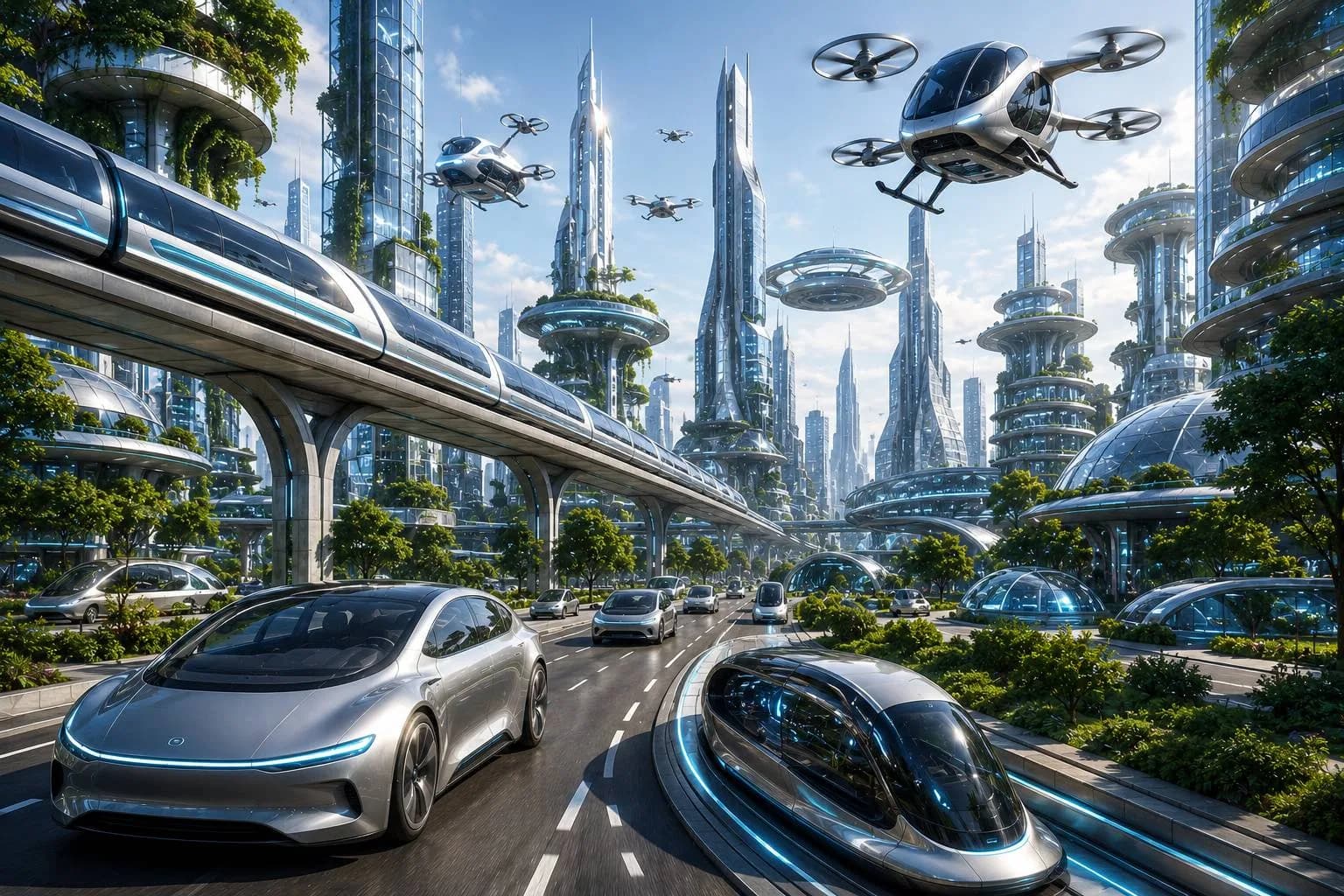
The Future Of Transportation Beyond Cars And Planes
Imagine travelling across a city without owning a car, waiting at a fuel station, or sitting in traffic for hours. The next era of transport may not be built around more cars and planes, but smarter, cleaner, and more connected ways to move people and goods.
Why Transport Is Ready For A Major Shift
Future Of Transportation is being shaped by rising fuel costs, crowded cities, climate pressure, faster batteries, AI systems, and demand for safer mobility. For many countries, the goal is no longer just faster travel. It is cheaper, cleaner, and more reliable movement.
In many cases, transport is becoming a service instead of a personal asset. People may use trains, e-bikes, ride-sharing vans, autonomous shuttles, drones, and shared mobility apps depending on the distance and purpose.
New Transport Options Gaining Attention
| Transport Type | Possible Impact |
|---|---|
| High-speed rail | Can reduce pressure on roads and short-distance flights. |
| Electric buses | Can lower urban fuel costs and reduce air pollution. |
| Delivery drones | Can support medicine, parcels, and emergency deliveries in difficult areas. |
| Autonomous shuttles | May improve short-distance travel in campuses, airports, and planned cities. |
Cities May Move Away From Car Dependency
One common mistake people make is thinking the future means everyone owning a more advanced car. The bigger change may be fewer private cars in crowded cities and better shared transport.
From experience, traffic does not improve only by building wider roads. If every family buys another car, congestion returns quickly. Smarter planning means better buses, safer walking routes, cycling lanes, metro systems, and digital ticketing.
The Financial Burden On Families
Transport already takes a serious share of household income. Fuel, maintenance, parking, repairs, insurance, and daily fares add up quickly. It is like a leaking water tap. Each drop feels small, but the monthly bill becomes painful.
Electric buses, shared mobility, and reliable public transport can reduce this pressure if they are affordable and available beyond wealthy neighborhoods.
Drones And Smart Logistics Could Change Delivery
The Future Of Transportation will also affect goods, not just passengers. Drones may deliver medicines, lab samples, and urgent supplies to remote or disaster-hit areas. Robots and automated delivery systems may support warehouses and campuses.
Still, these systems need clear rules, safety checks, airspace management, privacy protection, and reliable batteries. Technology alone cannot replace proper regulation.
What Countries Need To Prepare
Governments and businesses will need charging networks, clean electricity, digital maps, cybersecurity, updated traffic laws, and trained workers. Mechanics, drivers, logistics managers, and city planners will all need new skills.
Users should also prepare for changing habits. Owning a vehicle may become less important than having access to reliable transport when needed.
Closing Thought
The future of transportation will not be one single invention. It will be a mix of electric mobility, smarter public transport, drones, rail, automation, and better city planning. The real success will depend on affordability, safety, and whether ordinary families can benefit from these changes, not only premium users.
Quick Facts Box
- Future transport is expected to rely more on electric mobility and shared systems.
- High-speed rail can reduce road congestion and short-distance flight demand.
- Drones may support medical, emergency, and remote-area deliveries.
- Affordable public transport will remain essential for ordinary families.
Article Details
Category: Global
Published: 23 May 2026
Time: 2:12 am
Author: Pari Row
More Stories