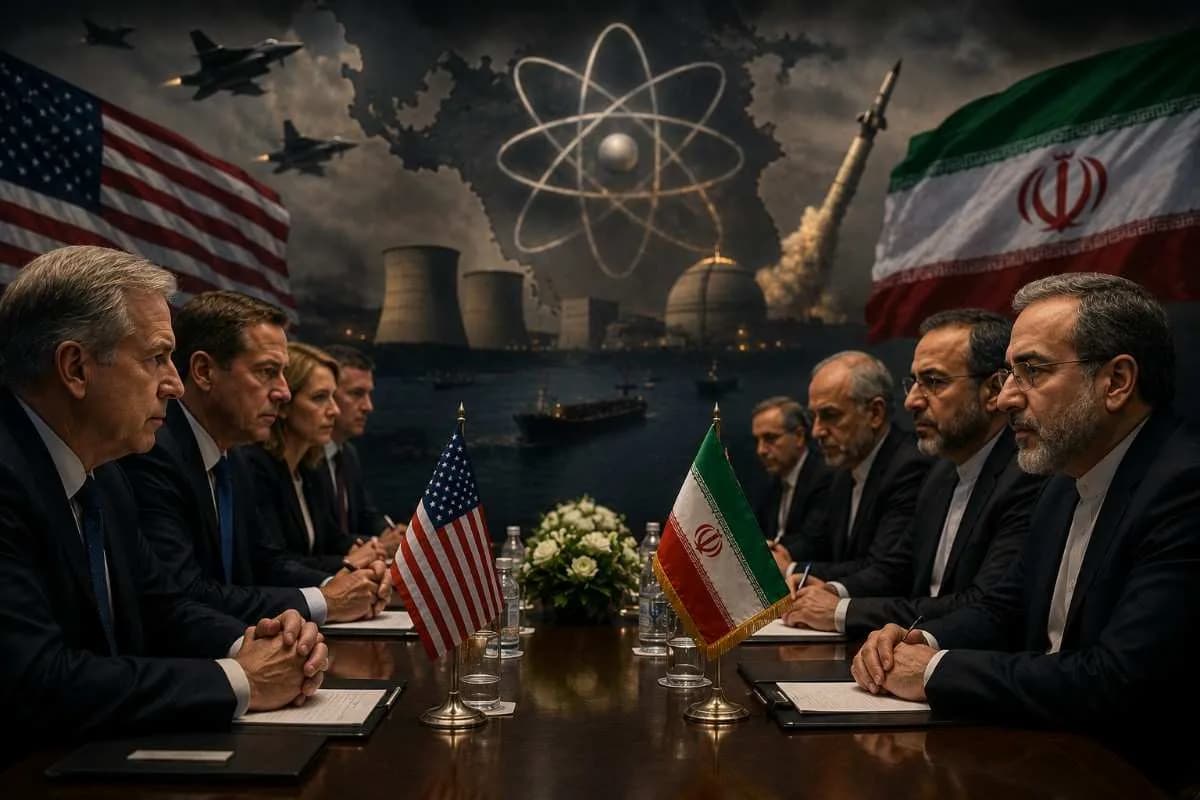
US-Iran Nuclear Talks Face Crucial Test as Tensions Rise
Can diplomacy still prevent another Middle East flashpoint? The latest phase of US-Iran nuclear talks has become increasingly sensitive as both sides remain divided over uranium enrichment, sanctions relief, and regional security concerns.
Closing Thought
The talks remain one of the most important diplomatic tracks in the region. A breakthrough could ease market pressure and reduce security risks, but a collapse may deepen uncertainty for governments, investors, and ordinary families already facing higher living costs.
Quick Facts Box
- The talks are focused on Iran’s nuclear programme and sanctions relief.
- Uranium enrichment remains the biggest sticking point.
- Regional tensions have increased concern over oil and shipping routes.
- Oman has played a key mediation role between both sides.
Why the Talks Have Entered a Critical Phase
The negotiations have reached a difficult stage because both Washington and Tehran are holding firm positions. The United States wants strict limits on Iran’s nuclear activities, while Iran wants sanctions relief and recognition of its rights under international frameworks.
In many cases, nuclear diplomacy moves slowly because every word in an agreement matters. A small change in language can affect inspections, sanctions, trade, and military calculations.
Key Issues on the Table
Why the Region Is Watching Closely
The Gulf region sits at the centre of global energy flows. Any escalation can quickly affect oil prices, shipping costs, and investor confidence. That is why the talks matter beyond Washington and Tehran.
From experience, global tension often reaches ordinary homes through fuel, transport, and food prices. It is like a family budget being hit by an unexpected electricity bill. Even if the problem starts far away, the pressure lands on daily expenses.
What Could Happen Next
If both sides agree on a workable formula, the result could reduce pressure on energy markets and open space for wider regional dialogue. If talks stall, tensions may rise again through sanctions, military warnings, or pressure on trade routes.
One common mistake people make is viewing nuclear talks only as a political issue. In reality, these negotiations affect oil markets, currency stability, import bills, and business planning across many countries.
Practical Takeaway for Readers
Businesses should watch oil prices, shipping costs, and currency movements closely. Importers, exporters, airlines, logistics firms, and energy-linked industries are usually the first to feel the impact of regional uncertainty.
For Pakistan and other import-dependent economies, any rise in global oil prices can widen pressure on fuel costs and inflation. That makes a diplomatic settlement important not only for security, but also for household budgets.
Article Details
Category: Global
Published:
Author: Muzamil Ahmad
More Stories