Wistron Opens $700M Texas AI Factory for Nvidia Systems
Wistron Opens $700M Texas AI Factory for Nvidia Systems
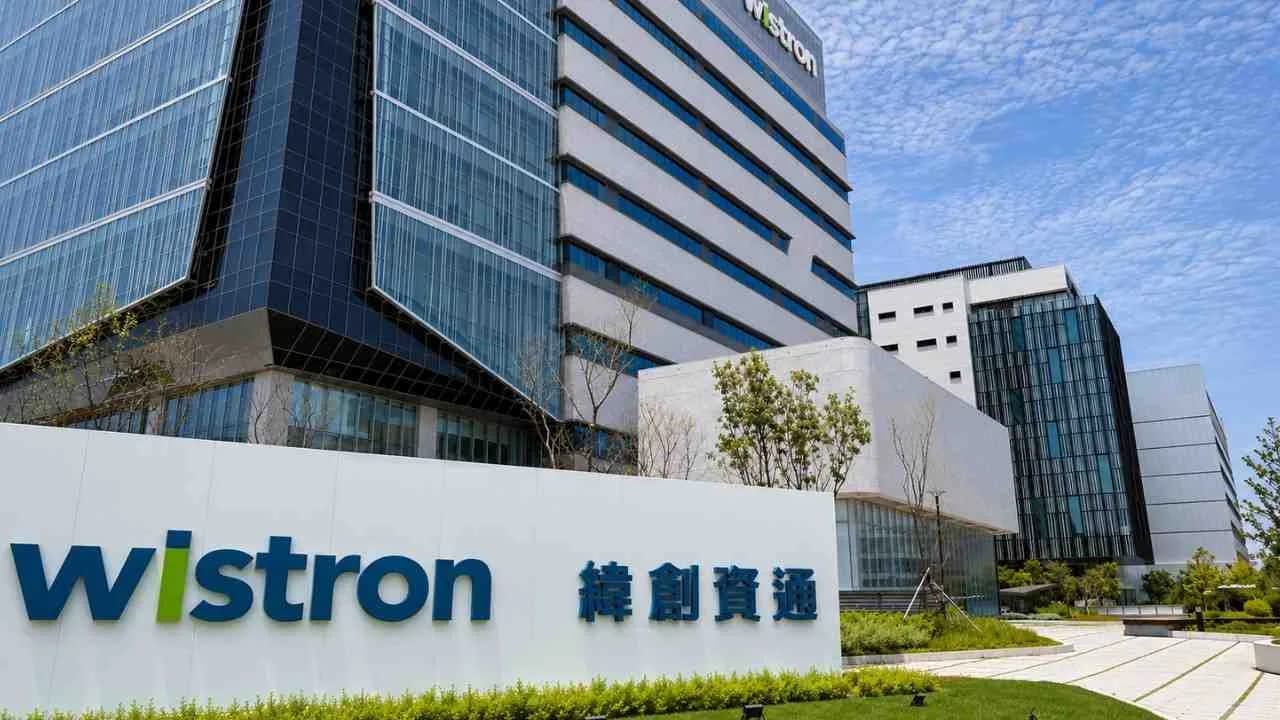
The Wistron Texas AI factory has officially opened in Fort Worth with a $700 million investment. The plant will build Nvidia’s latest AI systems and expand advanced technology manufacturing in the United States.
Wistron, a Taiwan-based Nvidia supplier, developed the 324,000-square-foot facility to assemble and test high-performance AI servers. It is also the company’s first major manufacturing plant in the US.
The factory currently produces Nvidia’s GB300 Grace Blackwell Ultra, one of the company’s most advanced AI computing platforms. Wistron says the first US-made GB300 system was built and mass-produced at this location.
Why the Fort Worth Factory Is Important
The new Nvidia AI factory comes as global demand for AI servers, data centres, and computing boards continues to grow. Nvidia needs more manufacturing capacity to deliver complete systems to customers without depending only on overseas plants.
The Fort Worth site is expected to produce tens of thousands of computing boards per month as operations expand. This could help Nvidia serve American cloud providers, research institutions, and companies building large AI infrastructure projects.
In many cases, chip availability is only one part of the challenge. Businesses also need tested servers, networking systems, cooling equipment, and reliable delivery schedules before an AI project can begin.
Jobs and Local Economic Benefits
The Wistron Fort Worth factory has already created more than 500 jobs. Nvidia expects the workforce to increase to around 1,000 employees by the end of 2026.
Employment opportunities may include:
AI server assembly and testing
Engineering and quality control
Logistics and warehouse operations
Equipment maintenance
Digital manufacturing management
From experience, large technology plants often support more than direct factory jobs. Local transport companies, equipment suppliers, electricians, and technical training centres may also benefit from the project.
The facility is part of Nvidia’s wider $500 billion US investment commitment announced in 2025. It shows that Nvidia AI system production is moving closer to the companies and data centres that will use these systems.
Inside Wistron’s $700 Million Fort Worth Facility
The Wistron Texas AI factory covers around 324,000 square feet in Fort Worth. It is designed for AI server assembly, system testing, and large-scale production.
Wistron calls the site its D1 AI smart facility. The plant combines digital manufacturing, energy planning, and local operations under one production model.
What the Factory Actually Produces
The facility is not a chip fabrication plant. Instead, it turns advanced Nvidia components into complete AI systems that can be prepared for data-centre use.
This difference is important because many reports focus only on chips. In practice, AI deployment also depends on boards, servers, cooling, networking, and system testing.
The Wistron Nvidia AI factory in Texas currently supports:
Computing board production
AI server assembly
Hardware testing
System-level quality checks
Preparation for large AI deployments
Production at Commercial Scale
Nvidia expects the factory to produce tens of thousands of computing boards each month as output increases. That level of capacity could support major AI infrastructure projects.
The plant will first focus on Nvidia GB300 production. Later, it will also support the next generation of Nvidia hardware for more powerful AI workloads.
From experience, production scale matters as much as technical performance. A powerful system has limited value if customers face long delivery delays or uncertain supply.
Why Fort Worth Was a Practical Choice
Fort Worth offers access to transport routes, industrial space, skilled labour, and a growing technology market. These factors make it useful for large manufacturing operations.
The location also places the Nvidia Texas AI factory closer to US customers. This may improve coordination between manufacturing teams, suppliers, and data-centre operators.
How Nvidia’s GB300 Grace Blackwell Ultra Is Produced in Texas
The Wistron Texas AI factory is now producing Nvidia’s GB300 Grace Blackwell Ultra systems in Fort Worth. This marks the first US mass production of the platform.
The facility does not manufacture the core chips themselves. It assembles computing boards, servers, cooling parts, and related hardware into complete AI systems.
What Is the GB300 Grace Blackwell Ultra?
The GB300 Grace Blackwell Ultra is built for demanding AI workloads, including model training, data analysis, and large-scale inference.
It combines powerful processors with high-speed memory and networking. These features help data centres run complex AI tasks more efficiently.
For a cloud provider, this means more computing power can be installed in a smaller space. It may also improve performance for enterprise AI services.
How the Production Process Works
The exact factory process is not fully public. However, advanced AI server production normally includes several important stages.
These stages may include:
Installing processors on computing boards
Connecting memory and networking parts
Adding power and cooling systems
Assembling complete server units
Testing performance and reliability
Preparing systems for customer delivery
The Nvidia GB300 production process requires strict quality control. A small hardware issue can affect an entire server rack or delay a major data-centre project.
Why US Production Matters
Producing GB300 systems in Texas may shorten supply routes for American buyers. It can also make testing, delivery, and technical support easier to coordinate.
From experience, businesses often focus on processor speed but ignore installation timelines. In real projects, delayed hardware can hold back software teams and data-centre launches.
The Nvidia AI server production expansion gives Nvidia more control over system availability. It also reduces reliance on a single overseas manufacturing region.
This does not remove every supply-chain risk. However, it gives Nvidia and Wistron another major production base for meeting rising global demand.
Wistron Prepares to Build Nvidia’s Vera Rubin Systems
The Wistron Texas AI factory will also produce Nvidia’s next-generation Vera Rubin platform after GB300 output becomes stable.
This gives the Fort Worth site a long-term role in Nvidia’s hardware roadmap, rather than limiting it to one product cycle.
What Is the Vera Rubin Superchip?
The Vera Rubin platform is expected to support more advanced AI training, inference, and high-performance computing workloads.
It will follow Nvidia’s Blackwell generation and may offer better processing, memory, networking, and energy efficiency.
For data centres, those improvements could mean faster AI services while using space and electricity more effectively.
Why Future-Ready Production Matters
The planned Vera Rubin Superchip factory shows that Wistron designed the plant for future expansion from the beginning.
Modern AI factories must adapt quickly because server designs, cooling needs, and power requirements can change between product generations.
A facility built for only one system may become outdated. Flexible production lines can support upgrades with less disruption.
The Fort Worth plant may prepare for Vera Rubin production by improving:
Server assembly equipment
Cooling and power systems
Testing procedures
Worker training
Quality-control processes
Supplier coordination
A Strategic Advantage for Nvidia
The Wistron Nvidia factory gives Nvidia a US production base for both present and future AI systems.
This may help the company avoid long delays when major cloud providers begin ordering next-generation servers.
From experience, early factory preparation can be as important as the product launch itself. Production problems often appear after demand rises.
The expansion also strengthens Texas AI infrastructure by bringing advanced server assembly closer to US customers and data-centre projects.
However, Vera Rubin production will still depend on chip supply, component availability, skilled workers, and reliable power.
Wistron vs Other Nvidia Manufacturing Partners
The Wistron Texas AI factory is part of Nvidia’s wider US supply network. It works alongside major partners such as TSMC and Foxconn.
These companies support different parts of the AI hardware chain. Therefore, comparing them only by investment size can give a misleading picture.
How Wistron’s Role Is Different
Wistron mainly focuses on computing boards, server assembly, system testing, and final AI infrastructure production.
TSMC produces advanced semiconductor chips. Foxconn supports large-scale electronics, server, and system manufacturing for technology companies.
The Wistron Nvidia factory sits closer to the final deployment stage. It helps turn advanced components into complete systems for data centres.
Competitor and Partner Comparison
Company | Main Role | US Focus | Key Strength |
|---|---|---|---|
Wistron | AI server assembly and testing | Fort Worth, Texas | Complete Nvidia system production |
TSMC | Advanced chip manufacturing | Arizona | Semiconductor fabrication |
Foxconn | Electronics and server manufacturing | Multiple US operations | Large-scale production experience |
Wistron Texas plant | GB300 and future Vera Rubin systems | Texas | Faster access to US customers |
This is not a direct winner-and-loser comparison. Each company supports a different stage of Nvidia’s manufacturing strategy.
Where Wistron Has an Advantage
The Wistron Nvidia AI factory in Texas can work closely with American customers, logistics providers, and data-centre operators.
Its main advantages include:
US-based system assembly
Shorter delivery routes
Local testing and quality checks
Support for current and future Nvidia platforms
Faster coordination with major customers
However, Wistron still depends on chipmakers and component suppliers. A delay in processors, memory, or networking parts can affect factory output.
From experience, the strongest supply chains are not built around one company. They work well when chipmakers, assemblers, and logistics partners stay aligned.
The Nvidia Texas AI factory strengthens one important part of that network. It does not replace TSMC or Foxconn, but it adds valuable US production capacity.
Real-World Customer Use Cases
A cloud company could order complete GB300 systems for a new AI service. Local assembly may improve delivery planning and technical support.
A university research centre may use these systems for medical research, climate modelling, or advanced engineering projects.
Enterprise buyers may also use Nvidia servers for fraud detection, automation, cybersecurity, and private AI model training.
Customer Experience Highlights
No verified public buyer testimonials have been released for the plant yet. Therefore, it would be misleading to invent customer praise.
Early customer value is more likely to come from:
Shorter US delivery routes
Better coordination during installation
Local system testing
Faster access to replacement parts
Support for future Nvidia platforms
Industry confidence was visible in the market. Wistron shares rose 9.7% after the factory opening was announced.
Pros and Cons of the Texas Factory
Pros | Cons |
|---|---|
Expands US AI manufacturing | Depends on global chip supply |
Creates skilled local jobs | Requires large energy capacity |
Supports faster deliveries | Production targets may be difficult |
Prepares for Vera Rubin systems | Skilled workers may be limited |
Strengthens supply-chain resilience | Costs may be higher than overseas production |
From experience, local manufacturing does not remove every delay. It mainly gives companies more options when one supply route faces pressure.
One common mistake is to assume that US production makes the entire system domestic. Many chips and components may still come from global suppliers.
The biggest advantage is flexibility. The Nvidia AI factory gives Nvidia another location for assembly, testing, and customer delivery.
Final Outlook for Wistron and Nvidia’s US AI Expansion
The Wistron Texas AI factory represents a major change in how advanced AI systems are produced and delivered across the United States.
With a $700 million investment, the Fort Worth site gives Nvidia more capacity to assemble, test, and supply complete AI server systems.
The factory already supports GB300 Grace Blackwell Ultra production and is expected to manufacture future Vera Rubin systems.
That gives the facility a long-term role in Nvidia’s product strategy, rather than making it dependent on one hardware generation.
What Businesses and Investors Should Watch
The next stage will show whether Wistron can reach its production, hiring, and delivery targets during 2026.
Important areas to monitor include:
Monthly computing board output
Growth toward 1,000 employees
Vera Rubin production timelines
Energy and cooling capacity
Demand from major cloud providers
Availability of chips and server parts
From experience, factory announcements create excitement, but reliable production is what builds long-term customer trust.
The real test will be whether the Nvidia Texas AI factory can deliver systems at scale without delays, quality issues, or supply shortages.
Final Verdict
The project strengthens US AI manufacturing, creates technical jobs, and gives Nvidia another production base near major customers.
However, success will still depend on global suppliers, skilled labour, stable energy access, and continued demand for AI infrastructure.
Stay Updated With Pehle Pakistan
AI hardware and semiconductor manufacturing are changing quickly. New factories, processors, and investments can reshape the market within months.
Visit Pehle Pakistan for clear updates on Nvidia, Wistron, AI infrastructure, technology investment, and global business developments.
Frequently Asked Questions
1. What is the Wistron Texas AI factory?
The Wistron Texas AI factory is a $700 million manufacturing plant in Fort Worth that assembles and tests Nvidia AI systems.
2. What does Wistron produce at the Fort Worth factory?
The facility produces computing boards and complete AI server systems based on Nvidia’s advanced hardware platforms.
3. Is the factory producing Nvidia’s GB300 systems?
Yes. The plant currently supports Nvidia GB300 production and mass-produces GB300 Grace Blackwell Ultra systems in the US.
4. Will Wistron manufacture the Vera Rubin Superchip?
Wistron says the factory will support Nvidia’s next-generation Vera Rubin platform after production lines and equipment are prepared.
5. How many jobs has the factory created?
The plant has created more than 500 jobs. Its workforce is expected to reach 1,000 employees by the end of 2026.
6. Why is Nvidia expanding AI manufacturing in Texas?
Texas offers industrial space, transport links, skilled workers, energy infrastructure, and access to major US technology customers.
7. Is the Wistron plant part of Nvidia’s US investment plan?
Yes. Nvidia says the factory supports its wider $500 billion commitment to strengthen US-based AI infrastructure and manufacturing.
[Source: Reuters]
Topics in this story
Article Details
Category: Tech
Published: 22 July 2026
Time: 11:07 am
Updated: 22 July 2026 at 11:16 am
Author: Urooj
More Stories