Aurangzeb Arrives in US for Trade and Investment Talks
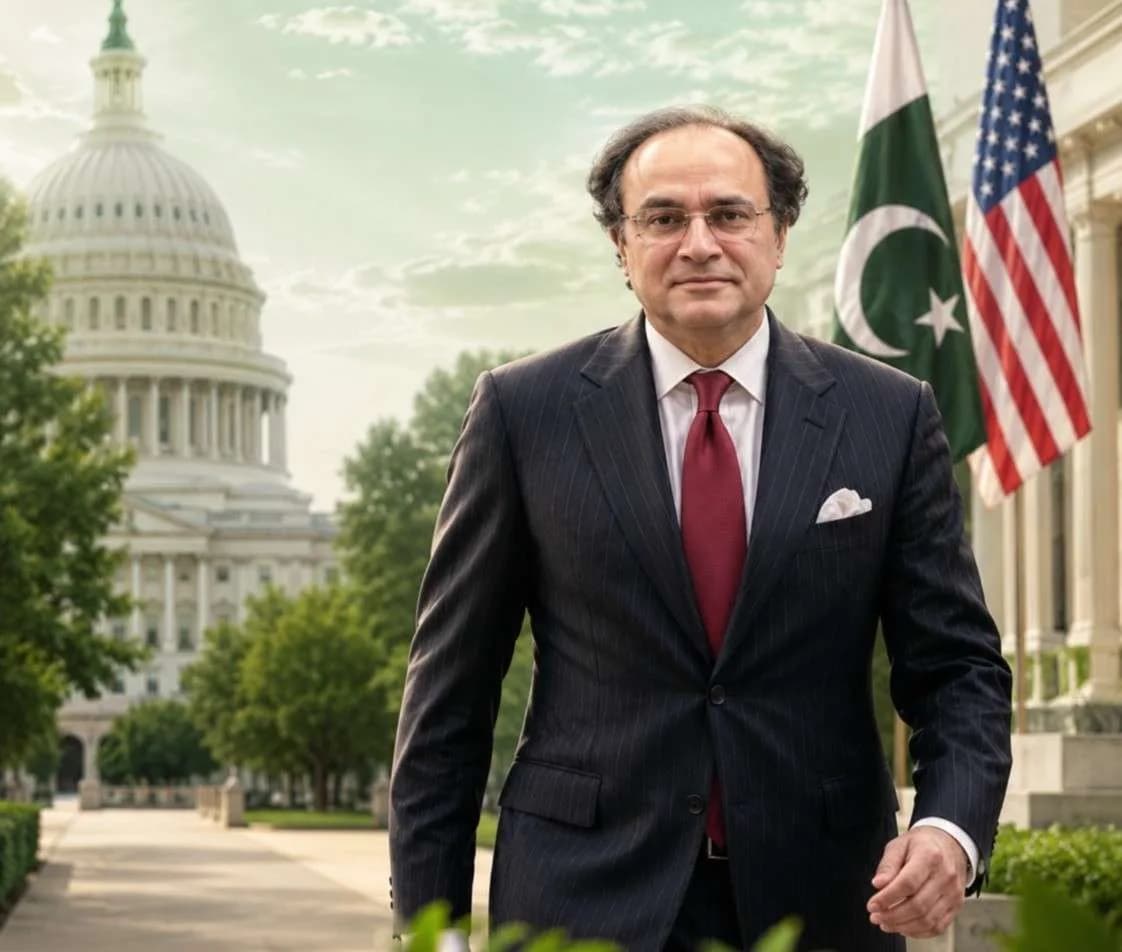
Aurangzeb Arrives in US for Trade and Investment Talks
Introduction
Finance Minister Muhammad Aurangzeb has arrived in Washington for a three-day official visit focused on Pakistan US trade talks, investment opportunities, tariffs, and broader economic cooperation between Pakistan and the United States.
The visit comes at an important time when Pakistan is working to strengthen exports, attract foreign investment, and improve economic stability. Discussions with US officials are expected to focus on creating better trade conditions and exploring new areas of partnership.
For Pakistan, the United States remains one of the most important trading partners, especially for export industries such as textiles, information technology, and manufacturing. In many cases, stronger trade relationships can directly impact businesses, job creation, and investor confidence.
During his visit, Aurangzeb is scheduled to meet representatives from key US institutions, including the Office of the United States Trade Representative (USTR), US Export-Import Bank, US International Development Finance Corporation (DFC), and the International Monetary Fund (IMF).
From experience, economic negotiations are not only about numbers and agreements. They are also about building trust between countries. For Pakistani businesses, a stable trade environment with fewer tariff barriers could open doors to new markets and long-term growth.
The discussions will also cover tariff-related challenges, investment financing, and opportunities to support Pakistan’s infrastructure and energy sectors.
Key points of the visit include:
Resumption of Pakistan-US economic negotiations.
Discussions on possible trade agreement frameworks.
Talks on tariffs and market access.
Exploring US financing opportunities for Pakistani projects.
Strengthening economic cooperation between both countries.
This visit highlights Pakistan’s efforts to maintain strong international economic partnerships while addressing challenges affecting trade and investment.Muhammad Aurangzeb Begins Three-Day Washington Visit for Economic Talks
Finance Minister Muhammad Aurangzeb has started his three-day Washington visit with a focus on strengthening economic ties between Pakistan and the United States. The visit includes meetings with important US government and financial institutions where discussions are expected to cover trade, investment, finance, and economic cooperation.
The timing of this visit is significant because Pakistan is looking to improve its economic position through stronger international partnerships. For many developing economies, consistent engagement with major markets helps create opportunities for exporters, investors, and local industries.
Key Meetings With US Economic and Financial Institutions
During his visit, Aurangzeb is expected to meet officials from several major organizations that influence trade and investment decisions.
The scheduled meetings include:
Office of the United States Trade Representative (USTR)
US Export-Import Bank
US International Development Finance Corporation (DFC)
International Monetary Fund (IMF)
These discussions will focus on practical economic matters rather than only diplomatic conversations. Issues such as export growth, financing opportunities, and investment confidence are expected to remain at the center of negotiations.
One common mistake people make is viewing international economic visits as simple formal meetings. In reality, these discussions can influence policies that affect businesses, industries, and consumers for years.
Why This Visit Matters for Pakistan's Economy
The United States is among Pakistan’s key export destinations, making stable trade relations extremely important. Better market access and investment cooperation could benefit several sectors.
Potential areas of cooperation include:
Infrastructure development projects.
Energy sector investments.
Private-sector financing.
Export expansion opportunities.
Support for economic reforms.
From experience, investor confidence often depends on clear policies and international partnerships. When businesses see stronger relations between governments, they are more likely to consider long-term investments.
For Pakistani companies, especially exporters and technology firms, positive outcomes from these talks could create new opportunities in the US market. The visit also reflects Islamabad’s efforts to maintain economic dialogue during a period of changing global trade policies.Pakistan and US to Resume Talks on Bilateral Trade Partnership Framework
Pakistan and the United States are set to resume negotiations on a broader economic partnership framework, with trade expansion and investment cooperation expected to be the main focus. These discussions aim to explore ways both countries can increase economic engagement and create better opportunities for businesses.
The proposed framework could address important areas including tariffs, market access, and investment opportunities. For Pakistan, improving access to the US market is especially important because American consumers represent a major destination for Pakistani exports.
Focus on Trade, Tariffs and Market Access
The upcoming discussions are expected to examine how both countries can reduce barriers and encourage smoother trade flows. Pakistani officials are likely to highlight the importance of fair tariff policies for exporters.
Key discussion areas include:
Improving market access for Pakistani products.
Reviewing tariff-related challenges.
Encouraging private-sector investment.
Expanding business-to-business cooperation.
Creating a stable environment for exporters.
In many cases, trade agreements are not only about increasing exports. They also help businesses plan for the future because companies prefer markets with predictable rules and policies.
For example, Pakistani textile exporters often depend on international demand and stable trade conditions. Any improvement in tariff structures can directly influence production costs, competitiveness, and employment opportunities.
Potential Benefits for Pakistani Businesses
A stronger Pakistan-US economic partnership could create opportunities across multiple sectors. While textiles remain one of Pakistan’s major export industries, other areas such as technology, agriculture, renewable energy, and manufacturing also have growth potential.
Potential benefits may include:
Sector | Possible Impact of Stronger Trade Relations |
Textiles | Better export opportunities and improved market access |
Technology | Growth in IT services and digital exports |
Energy | Increased foreign investment and project financing |
Agriculture | Expansion of agricultural exports |
Manufacturing | More opportunities for international partnerships |
From experience, long-term economic growth depends on consistent relationships rather than one-time agreements. Regular discussions between Pakistan and the US can help address challenges before they become major obstacles.
Moving Toward Wider Economic Cooperation
The negotiations represent an effort to move beyond traditional trade discussions and build a broader economic partnership. Both countries are expected to explore ways to increase investment flows and strengthen private-sector connections.
For Pakistan, successful outcomes from these talks could support export growth, improve investor confidence, and create new opportunities for businesses looking toward international markets.Tariff Disputes and US Trade Policies Remain Key Discussion Points
Tariff issues are expected to remain one of the most important topics during Pakistan-US economic discussions. Changes in US trade policies have created uncertainty for exporters, making negotiations crucial for protecting Pakistan’s access to one of its largest international markets.
Pakistan’s exporters, particularly in sectors such as textiles and manufacturing, closely monitor tariff decisions because even small changes can affect product prices, competitiveness, and demand from international buyers.
Pakistan's Efforts to Reduce Export Tariff Pressure
The current tariff discussions follow a series of policy changes introduced by the United States. Earlier, the US administration announced tariff measures under the International Emergency Economic Powers Act (IEEPA), which initially placed a 29% tariff on Pakistani exports.
A Pakistani delegation later engaged with US officials and successfully reduced the proposed tariff rate from 29% to 19%.
Key developments include:
Initial proposed tariff on Pakistani exports: 29%.
Pakistani delegation negotiations resulted in reduction to 19%.
US Supreme Court later invalidated IEEPA-based tariffs.
Temporary global tariff of 10% introduced under Section 122 of the Trade Act.
Current temporary tariff measure is scheduled to expire on July 24.
These developments show why continuous diplomatic engagement is important for Pakistan’s trade interests.
Impact of Tariff Changes on Pakistani Exporters
Tariffs directly influence the cost of doing business. For exporters, higher duties can make Pakistani products more expensive compared with competitors from other countries.
Issue | Possible Impact on Pakistan |
Higher tariffs | Reduced competitiveness in US markets |
Lower trade barriers | Increased exports and business growth |
Policy uncertainty | Challenges in long-term business planning |
Stable trade rules | More confidence for investors and exporters |
One common mistake people make is thinking tariffs only affect large companies. In reality, changes in international trade policies can also impact small manufacturers, suppliers, and workers connected to export industries.
For example, a textile factory in Faisalabad or a technology company providing services to US clients may feel the impact of changing trade rules through orders, pricing, and investment decisions.
Importance of Continued Negotiations
Pakistan’s engagement with US officials aims to create a more predictable trade environment. A stable tariff framework would help exporters plan better, attract investment, and strengthen economic cooperation between both countries.
From experience, successful trade relationships require regular communication and flexibility from both sides. These negotiations could play an important role in shaping the future direction of Pakistan-US economic relations.Pakistan Seeks Investment Opportunities Through US Financial Institutions
Along with trade discussions, attracting foreign investment is another major focus of Finance Minister Muhammad Aurangzeb’s Washington visit. Meetings with US financial institutions are expected to explore new opportunities for funding infrastructure, energy, and private-sector projects in Pakistan.
For a developing economy like Pakistan, foreign investment plays an important role in supporting growth. It can bring not only financial resources but also technology, expertise, and international business partnerships.
Meetings With Exim Bank and DFC for Development Financing
During the visit, Aurangzeb is scheduled to engage with representatives from the US Export-Import Bank and the US International Development Finance Corporation (DFC).
These institutions support international projects by providing financing solutions and encouraging private-sector investment.
Potential areas of discussion include:
Infrastructure development projects.
Energy sector investment.
Private business financing.
Industrial expansion opportunities.
Long-term economic partnerships.
In many cases, countries attract investment when investors see clear policies, economic stability, and strong government-to-government relationships. These discussions aim to improve confidence among international investors looking at Pakistan.
How US Investment Could Support Pakistan's Growth
Investment partnerships with US institutions could benefit several important sectors of Pakistan’s economy.
Sector | Possible Investment Impact |
Energy | Support for power projects and renewable energy development |
Infrastructure | Financing for transport and development projects |
Private Sector | Expansion opportunities for Pakistani companies |
Technology | Growth through innovation and digital partnerships |
Manufacturing | Improved production capacity and international connections |
From experience, foreign investment is most effective when it reaches productive sectors that create jobs and improve local industries. Simply attracting funds is not enough; successful projects require transparency, efficient implementation, and long-term planning.
For Pakistani businesses, stronger connections with US financial institutions could create new opportunities. Small and medium enterprises may benefit indirectly through supply chains, partnerships, and increased economic activity.
Building Confidence Among International Investors
Pakistan has been working to improve investor confidence through economic reforms and engagement with global financial organizations. The finance minister’s meetings in Washington are part of these broader efforts.
A stronger investment relationship with the United States could help Pakistan access new financing opportunities and support sustainable economic growth.
The outcome of these discussions will be closely watched by investors, exporters, and businesses that are looking for stability and expansion opportunities in Pakistan.Pakistan Faces USTR Section 301 Review Amid Trade Negotiations
While Pakistan and the United States continue discussions on expanding trade and investment cooperation, another important issue on the agenda is the ongoing USTR Section 301 review. The process involves several countries and focuses on concerns related to trade practices and other economic matters.
For Pakistan, managing this review is important because trade decisions can directly affect exporters and businesses connected to international markets.
Understanding the USTR Section 301 Investigation
The United States Trade Representative (USTR) has launched reviews involving nearly 60 countries, including Pakistan. These investigations examine concerns related to trade practices, including allegations involving forced labour and other issues.
Pakistan has submitted detailed responses to the USTR, explaining its position and providing information ahead of the latest round of discussions.
Key points related to the review include:
Pakistan is among nearly 60 countries under USTR review.
Islamabad has submitted detailed responses to US authorities.
Discussions are continuing through official channels.
Trade policies and export conditions remain central topics.
One common mistake people make is assuming such reviews automatically lead to trade restrictions. In reality, these processes usually involve discussions, evidence sharing, and negotiations between governments.
Possible Impact on Pakistan's Export Sector
Any changes resulting from the Section 301 process could influence Pakistan’s exporters, especially industries that depend heavily on international markets.
Area | Possible Impact |
Textile exports | Changes in costs and competitiveness |
Manufacturing | Potential adjustments in supply chains |
International trade | Need for compliance with global standards |
Investment climate | Influence on investor confidence |
From experience, global buyers increasingly consider compliance, transparency, and ethical production standards when choosing suppliers. Pakistani companies that maintain strong international standards are better positioned to compete.
Pakistan's Diplomatic Approach During Trade Discussions
Pakistan’s approach has focused on dialogue and cooperation rather than confrontation. Officials are working to protect export interests while strengthening economic relations with the United States.
The ongoing negotiations provide an opportunity for both countries to address concerns and create a more balanced trade environment.
For Pakistan, maintaining strong communication with USTR officials is essential. A positive outcome could support exporters, encourage investment, and strengthen the broader economic partnership between Islamabad and Washington.Aurangzeb’s Previous Washington Visit and Pakistan’s Economic Roadmap
Finance Minister Muhammad Aurangzeb’s latest Washington visit builds on his earlier engagement with international financial institutions and investors. Earlier this year, he visited the US to attend the IMF and World Bank Spring Meetings, where he held discussions with global financial organizations, investors, and rating agencies.
During that visit, Aurangzeb presented Pakistan’s economic reform agenda and highlighted government efforts to improve macroeconomic stability. These meetings were aimed at rebuilding confidence among international stakeholders and showcasing Pakistan’s long-term economic plans.
Focus on Economic Reforms and Global Capital Markets
One of the important areas discussed during Aurangzeb’s previous visit was Pakistan’s plan to return to international capital markets through financial instruments such as Panda Bonds and Eurobonds.
These efforts are part of a broader strategy to diversify financing sources and strengthen Pakistan’s connection with global investors.
Key areas of Pakistan’s economic roadmap include:
Improving macroeconomic stability.
Attracting foreign investment.
Strengthening export growth.
Expanding access to international capital markets.
Building confidence among global investors.
In many cases, investor confidence depends on consistent policies and clear economic direction. International markets closely observe how countries manage reforms, financial discipline, and business-friendly policies.
What This US Visit Could Mean for Pakistan
The current discussions in Washington could play an important role in shaping future economic cooperation between Pakistan and the United States.
Potential outcomes of the visit may include:
Area | Expected Importance |
Trade relations | Better market access and export opportunities |
Investment | More financing options for development projects |
Tariffs | Greater clarity for Pakistani exporters |
Economic cooperation | Stronger long-term partnership |
From experience, economic progress is usually achieved through continuous engagement rather than single agreements. Regular discussions with global partners help countries address challenges and identify new opportunities.
Customer Testimonial Highlights
Business owners and economic observers often emphasize the importance of stable international relations for growth. Many Pakistani exporters believe that easier trade conditions with the US market could help increase orders, expand businesses, and create more employment opportunities.
Technology companies, manufacturers, and small businesses also see foreign partnerships as a pathway to growth. A stable economic environment gives entrepreneurs more confidence to invest and plan for the future.
Conclusion
Finance Minister Muhammad Aurangzeb’s Washington visit comes at a crucial time for Pakistan’s economic journey. Discussions on trade, tariffs, investment, and financial cooperation could influence the future direction of Pakistan-US economic relations.
While challenges remain, continued dialogue with US institutions provides opportunities to improve trade access, attract investment, and strengthen economic stability.
The success of these negotiations will depend on practical outcomes, policy consistency, and the ability of both countries to build a stronger economic partnership.
FAQ.s
1. What is the bilateral trade between Pakistan and the US?
Pakistan and the US share strong trade ties, with two-way trade reaching around $6.929 billion in 2023. The US is a major export market for Pakistan.
2. Who is Aurangzeb in Pakistan?
Muhammad Aurangzeb is Pakistan’s Federal Finance Minister and former HBL CEO. He manages economic policies and financial matters with global institutions.
3. Why is Pakistan so important for the USA?
Pakistan is important for the US due to its strategic location, role in regional security, counterterrorism efforts, and growing trade and investment ties.
4. What is Aurangzeb most famous for?
Aurangzeb is known as a Mughal emperor who expanded the empire to its largest size and ruled India from 1658 to 1707.
5. Is Aurangzeb Sunni or Shia?
Muhammad Aurangzeb is a Pakistani finance minister. If referring to Mughal Emperor Aurangzeb, he was a Sunni Muslim ruler.
6. Who is the biggest exporter of Pakistan?
The United States is Pakistan’s largest export destination, receiving around 19–20% of Pakistan’s exports, especially textiles and IT services.
7. Who is the biggest importer of Pakistan?
China is among Pakistan’s largest trading partners and a major source of imports, including machinery, electronics, and industrial products.
8. Who is Pakistan’s best friend country?
China is widely considered Pakistan’s closest ally, with strong strategic, economic, and defense cooperation between both countries.
9. Why is Trump supporting Pakistan?
Trump’s engagement with Pakistan focuses on regional security, economic interests, strategic cooperation, and diplomatic relations between both countries.
10. What is Pakistan’s biggest industry?
Pakistan’s textile industry is the largest sector, contributing significantly to exports, employment, and overall economic activity.
11. What was the dark side of Aurangzeb?
Mughal Emperor Aurangzeb remains controversial due to his strict policies, long wars, and decisions during his nearly 50-year reign.
Article Details
Category: Industry
Published: 19 July 2026
Time: 1:10 pm
Updated: 19 July 2026 at 2:16 pm
Author: Rabia
More Stories