Pakistan Petrol Price Rs320.73, Diesel Rs367.21 July 22
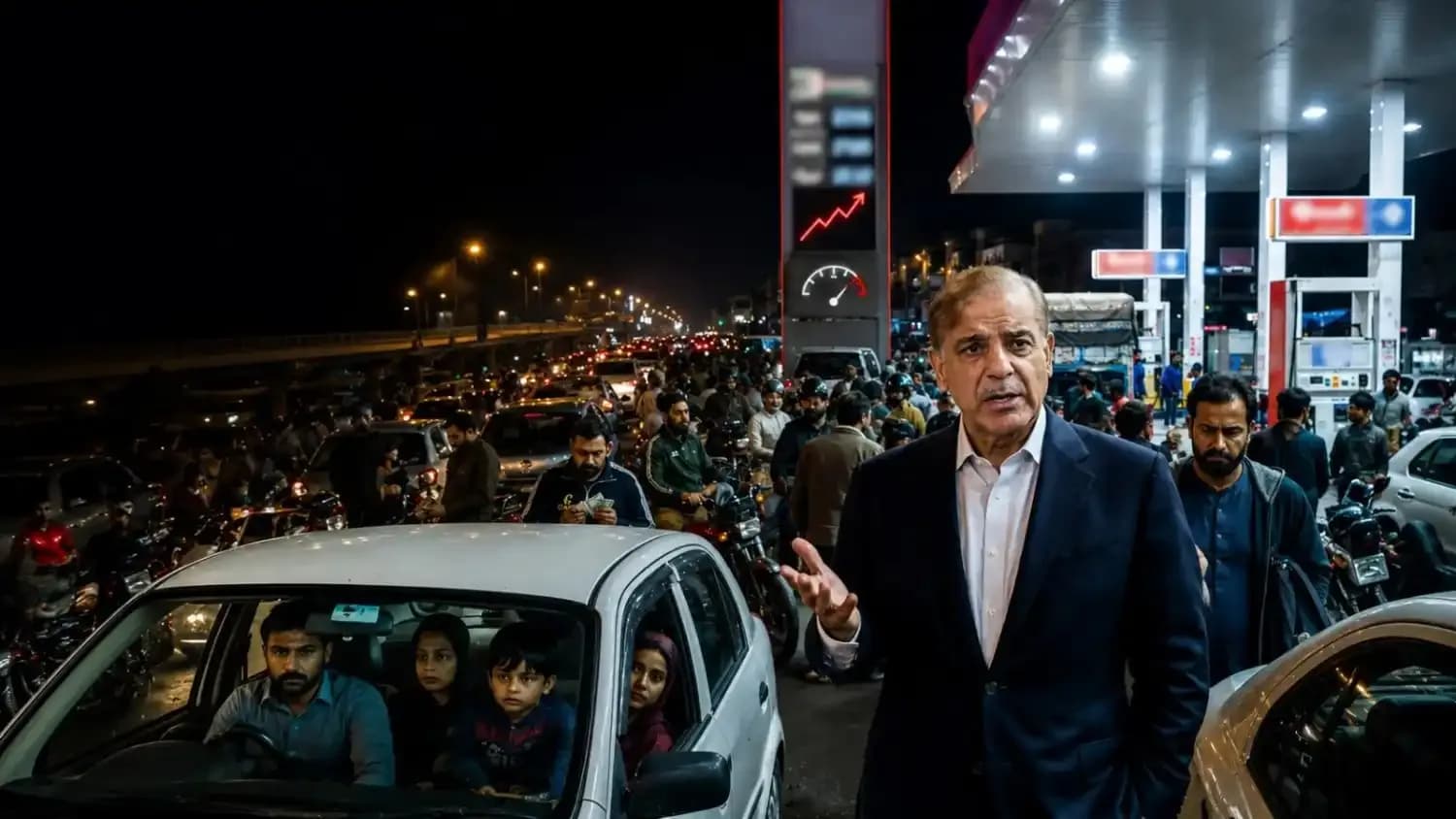
Pakistan Petrol Price Rs320.73, Diesel Rs367.21 July 22
Pakistan has increased petrol and high-speed diesel prices again under its newly introduced daily fuel pricing system. Petrol has become Rs4.93 more expensive, while high-speed diesel has increased by Rs7.15 per litre.
Following the latest adjustment, petrol now costs Rs320.73 per litre, while the price of high-speed diesel has reached Rs367.21 per litre. The revised rates are applicable for Wednesday, July 22, 2026.
The increase comes only one day after petrol was reduced by 35 paisas and diesel was raised by Rs5.71 per litre. The rapid changes show how motorists may now see new fuel prices almost every day instead of waiting for a weekly or fortnightly announcement.
New Petrol and Diesel Prices for July 22, 2026
The latest prices apply across Pakistan from July 22, 2026, unless a location-specific freight adjustment is applicable.
Petroleum product | Previous price | Latest change | New price |
|---|---|---|---|
Petrol | Rs315.80 per litre | Increased by Rs4.93 | Rs320.73 per litre |
High-speed diesel | Rs360.06 per litre | Increased by Rs7.15 | Rs367.21 per litre |
The government had revised the rates a day earlier when petrol fell from Rs316.15 to Rs315.80 per litre. During the same adjustment, diesel increased from Rs354.35 to Rs360.06 per litre.
This means petrol has moved from Rs316.15 to Rs320.73 per litre within two daily revisions, while diesel has risen from Rs354.35 to Rs367.21 per litre over the same period.
Why Are Fuel Prices Changing Every Day?
Pakistan previously reviewed petroleum prices every two weeks before moving to weekly adjustments during increased international oil-market volatility. The government has now introduced a daily pricing mechanism to pass changes in international fuel prices into the domestic market more quickly.
According to Petroleum Minister Ali Pervaiz Malik, the new mechanism uses a rolling seven-day average of international petroleum prices. This approach is intended to prevent a single day’s sharp international movement from determining the complete domestic price.
The Petroleum Division says the broader reform is designed to create a formula-based and market-driven pricing system. It has also presented daily pricing as part of a gradual move towards deregulation, greater transparency and reduced government intervention in routine fuel-price decisions.
Under the mechanism, prices may rise or fall more frequently based on factors used in the pricing formula. Consumers should therefore check the latest notified rate before relying on a price reported the previous day.
Petrol Pump Owners Announce Nationwide Strike
The latest fuel-price increase has come alongside a growing dispute between the government and petrol pump owners.
The All Pakistan Petrol Pumps Owners Association announced a nationwide strike from midnight on Wednesday, July 22, after its negotiations with Petroleum Minister Ali Pervaiz Malik failed to produce an agreement. The association said petrol pumps participating in the strike would remain closed on Thursday.
Association Chairman Humayun Khan and Vice Chairman Nauman Ali Butt said daily revisions were difficult for dealers to implement and could create uncertainty in inventory, billing and station operations.
The association has presented three main demands:
Replace daily price changes with monthly revisions
Increase the commission paid to petrol pump dealers
Include pump owners in consultations before introducing major pricing reforms
Dealers argue that their commission has not kept pace with rising business costs. They want a commission structure that adjusts with petroleum prices rather than remaining fixed for long periods.
The Petroleum Division has separately said it is consulting OGRA and petroleum-sector stakeholders on implementation challenges. A committee has also been formed to deal with issues involving inventory management, supply chains, freight calculations and real-time pricing data.
What Should Consumers Do Now?
Drivers should avoid relying on old social-media posts or previous fuel receipts because rates can now change from one day to the next.
Consumers should take the following steps:
Check the latest OGRA or Petroleum Division notification before travelling
Confirm the displayed per-litre rate at the fuel station
Keep purchase receipts, particularly during daily price transitions
Avoid panic buying because it can create unnecessary queues
Follow official updates regarding the announced petrol pump strike
People planning long-distance travel or commercial deliveries should confirm that fuel stations on their routes are operating, particularly if the nationwide strike proceeds.
Final Verdict
The increase has taken the petrol price to Rs320.73 per litre and high-speed diesel to Rs367.21 per litre for July 22, 2026. The change is important not only because fuel has become more expensive, but also because motorists must now follow prices much more frequently.
The next major development will be the government’s response to the petrol pump owners’ demands. Authorities and dealers need to reach a workable agreement on commissions, inventory treatment and price updates to prevent disruption at fuel stations.
For consumers, the immediate next step is simple: check the official daily price before purchasing fuel and confirm whether nearby stations are operating before travelling on Thursday.
Frequently Asked Questions
Why are petrol and diesel prices changing every day?
Pakistan has introduced daily petroleum-price reviews to reflect movements in international fuel markets more quickly. The mechanism reportedly uses a rolling seven-day average rather than relying only on one day’s international price.
Why are petrol pump owners opposing the system?
Pump owners say daily revisions create problems with inventory valuation, billing, accounting and general station management. They are also seeking higher dealer commissions and want fuel prices to be reviewed monthly.
How can consumers check the latest petrol and diesel prices?
Consumers should check the latest notification issued by OGRA or the Petroleum Division before buying fuel. They should also confirm the displayed price at the petrol station because rates may now change daily.
Source
This information is based on a 24NewsHD report published on July 21, 2026.
Article Details
Category: News
Published: 21 July 2026
Time: 11:19 pm
Updated: 21 July 2026 at 11:24 pm
Author: Usama Haider
More Stories