Pakistan Urges US, Iran to End Violence, Resume Talks
Pakistan Urges US, Iran to End Violence, Resume Talks
Pakistan urges US, Iran to 'end violence', resume technical-level talks
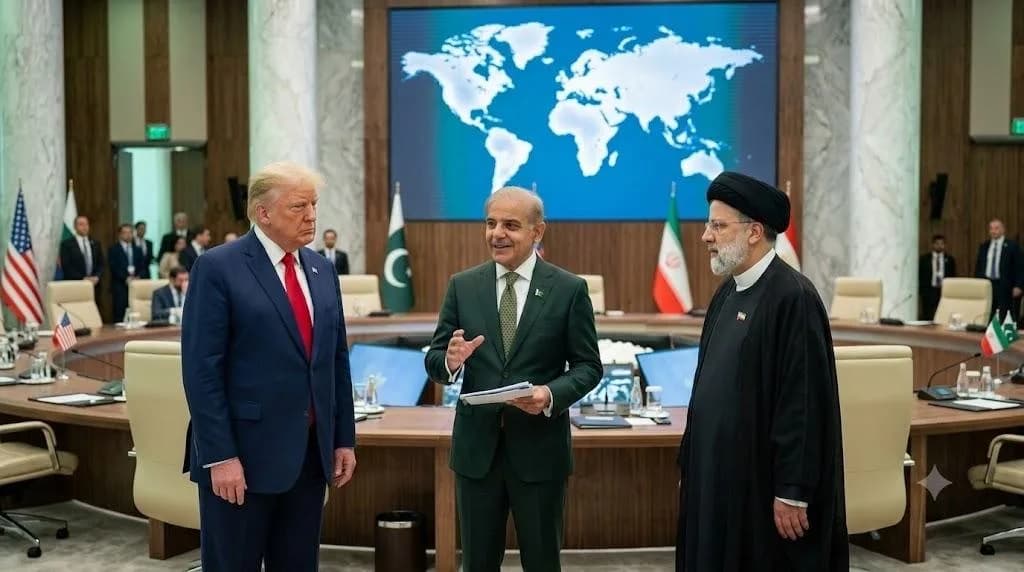
Pakistan has urged the United States and Iran to end violence and return to technical-level talks as tensions continue to test the peace process. The appeal came from the Foreign Office during its weekly media briefing, where officials stressed that dialogue remains the only practical path toward lasting stability.
In many cases, prolonged conflicts affect far more than the countries directly involved. Pakistan, which shares close diplomatic and economic ties with the region, has consistently promoted negotiations over confrontation. That approach was once again reflected in the government's latest statement.
Pakistan Calls for Maximum Restraint
Foreign Office Reiterates Peaceful Approach
Foreign Office spokesperson Tahir Andrabi said Pakistan remains concerned over the recent rise in hostilities and urged all sides to avoid actions that could further increase tensions.
According to the spokesperson, the Pakistan-mediated Islamabad Memorandum of Understanding is currently facing implementation challenges. Despite those difficulties, Islamabad believes the agreement still offers a credible framework for future cooperation.
Pakistan called on both nations to:
End violence immediately.
Exercise maximum restraint.
Resume technical-level negotiations.
Continue diplomatic engagement.
Support regional peace and stability.
Why Pakistan's Position Matters
From experience, countries that maintain communication channels during difficult periods have a better chance of preventing long-term crises. Pakistan's latest message reflects that principle by encouraging dialogue instead of escalation.
The Foreign Office also emphasized that sustainable peace cannot be achieved through military pressure alone. Rather, negotiations remain the most effective way to resolve outstanding disputes while protecting regional stability.
Islamabad MoU Faces Challenges but Remains the Foundation for Peace
The Foreign Office acknowledged that the Islamabad Memorandum of Understanding is facing challenges. However, officials maintained that the agreement remains the best available framework for moving negotiations forward.
One common mistake people make is assuming that a peace agreement loses all value when progress slows. In reality, many international agreements experience setbacks before meaningful breakthroughs happen. The important part is keeping communication alive.
What Is the Islamabad Memorandum of Understanding?
The Islamabad MoU was introduced as a diplomatic framework to encourage dialogue between the United States and Iran. It focuses on reducing tensions through technical discussions rather than public confrontation.
Pakistan believes the agreement promotes:
Peaceful conflict resolution
Mutual respect between all parties
Regional stability
Long-term cooperation
Continued diplomatic engagement
Why Technical-Level Talks Matter
Technical-level meetings allow experts and officials to discuss practical issues without the pressure of high-profile political negotiations.
From experience, these discussions often solve smaller disagreements before leaders meet for broader political decisions. They also help maintain trust during periods of uncertainty.
Current Status of the Peace Framework
Area | Current Situation |
|---|---|
Islamabad MoU | Facing implementation challenges |
Pakistan's Position | Fully supports continued dialogue |
US-Iran Talks | Pakistan urges their resumption |
Diplomatic Approach | Negotiation over confrontation |
Expected Outcome | Peace, stability and mutual cooperation |
Pakistan Continues to Support Diplomacy
The Foreign Office reiterated that dialogue remains the only realistic way to resolve disputes. Officials stressed that every conflict eventually reaches the negotiating table, making diplomacy essential rather than optional.
In many cases, successful agreements take time to build. Pakistan's continued support for the Islamabad MoU signals that it remains committed to helping create an environment where constructive talks can resume.
Pakistan and Qatar Continue Efforts to Revive the Peace Process
Pakistan has reaffirmed that it will keep encouraging both the United States and Iran to return to technical-level talks. The country believes diplomacy offers the strongest chance of reducing tensions and preventing further instability.
According to the Foreign Office, Pakistan's position remains aligned with the joint statement issued by Pakistan and Qatar after the direct talks held in Switzerland on June 20. Officials described that understanding as an important reference point for future engagement.
Joint Mediation Reflects a Shared Commitment
Pakistan and Qatar have both supported dialogue instead of confrontation. Their mediation aims to create space where difficult issues can be discussed through peaceful negotiations.
From experience, neutral facilitators often play a valuable role in international diplomacy. They help maintain communication when direct relations become strained and encourage both sides to stay engaged.
Why Mediation Is Important
Successful mediation can help:
Reduce the risk of further violence.
Keep diplomatic channels open.
Build confidence between negotiating parties.
Support long-term regional stability.
Create opportunities for future agreements.
Pakistan's Diplomatic Priorities
The Foreign Office emphasized that lasting peace requires patience and consistent engagement. Rather than focusing on short-term political gains, Pakistan continues to advocate solutions that benefit regional security and economic stability.
In many cases, diplomacy works quietly behind the scenes before producing visible results. While immediate progress may not always be apparent, maintaining dialogue increases the chances of resolving disputes peacefully over time.Foreign Office Says Dialogue Is the Only Path to Lasting Peace
Pakistan has once again highlighted that dialogue and diplomacy are the only practical solutions for resolving international disputes. The Foreign Office stressed that conflicts cannot be permanently solved through confrontation and that negotiations remain essential for achieving stability.
FO spokesperson Tahir Andrabi stated that all conflicts and disagreements ultimately require discussions at the negotiation table. This message reflects Pakistan's broader foreign policy approach, which focuses on peaceful engagement and diplomatic solutions.
Why Diplomacy Remains Essential
In international conflicts, communication channels often become the most important tool for preventing further escalation. When countries continue talking, there is a greater possibility of finding common ground.
One common mistake people make is believing that diplomacy means weakness. In reality, many major global agreements have been achieved because countries continued negotiations even during difficult situations.
Key benefits of diplomatic engagement include:
Preventing further escalation of conflicts.
Creating opportunities for peaceful agreements.
Protecting regional economic interests.
Improving trust between countries.
Reducing the impact on ordinary citizens.
Impact on Pakistan and the Region
For Pakistan, stability in the region has direct economic and security importance. Any prolonged conflict between major international players can affect trade, energy markets, and regional cooperation.
From experience, countries located near conflict zones often face indirect challenges, even when they are not directly involved. This is why Pakistan continues to support peaceful solutions and encourages all parties to maintain communication.
Pakistan's Message to the International Community
Pakistan believes that lasting peace requires commitment from all sides. The Foreign Office has called on the United States and Iran to show restraint and return to talks under the existing diplomatic framework.
The message is clear: sustainable peace is built through patience, dialogue, and mutual understanding rather than continued confrontation.Regional Stability Depends on the Future of US-Iran Peace Talks
The ongoing situation between the United States and Iran has raised concerns about regional stability. Pakistan believes that continued dialogue between both sides is necessary to avoid further tensions and create opportunities for peaceful solutions.
The Foreign Office has maintained that instability in the region can have wider consequences, affecting security, trade, and economic cooperation. For countries like Pakistan, maintaining peace in neighboring regions remains a key diplomatic priority.
Possible Impact of Prolonged Tensions
When conflicts continue for longer periods, their effects often reach beyond the countries directly involved. Energy markets, international trade routes, and regional partnerships can all face uncertainty.
In many cases, ordinary people experience the indirect impact of geopolitical tensions through rising costs and economic pressure.
Area | Possible Impact of Continued Tensions |
|---|---|
Regional Security | Increased uncertainty and diplomatic challenges |
Economy | Pressure on trade and investment activities |
Energy Markets | Possible fluctuations in fuel prices |
International Relations | Greater need for diplomatic cooperation |
Pakistan's Role in Promoting Stability
Pakistan has repeatedly emphasized its preference for peaceful engagement. The country continues to encourage countries involved in disputes to choose negotiation over confrontation.
From experience, diplomatic efforts often require patience because agreements between nations involve complex political and security concerns. However, keeping communication channels active can prevent situations from becoming more difficult.
Looking Ahead for US-Iran Relations
The future of the peace process will depend on whether both sides remain committed to dialogue. Pakistan hopes that the Islamabad Memorandum of Understanding can continue serving as a platform for discussions.
A return to technical-level talks could help rebuild confidence and create a path toward reducing tensions. For the region, stability will depend on cooperation, restraint, and a willingness to resolve differences peacefully.What Happens Next for the Islamabad MoU and Diplomatic Efforts?
The next phase of the peace process will depend on how the United States and Iran respond to calls for renewed dialogue. Pakistan has made it clear that it will continue encouraging both sides to reduce tensions and return to technical-level discussions.
The Foreign Office believes the Islamabad Memorandum of Understanding can still play an important role in supporting communication. Although the agreement is facing challenges, officials view it as a valuable platform for maintaining diplomatic engagement.
Future Steps for Peace Negotiations
For the peace process to move forward, all parties may need to focus on practical discussions rather than further escalation. Continued communication can help address disagreements and rebuild confidence.
Important steps ahead may include:
Resuming technical-level negotiations.
Maintaining regular diplomatic contact.
Avoiding actions that increase tensions.
Strengthening mediation efforts.
Focusing on long-term regional stability.
Pakistan's Continued Diplomatic Commitment
Pakistan has reiterated that it will remain engaged in efforts aimed at promoting peace. The country's position is based on the belief that dialogue provides the strongest foundation for resolving international disputes.
One common mistake people make is expecting diplomatic solutions to happen overnight. In reality, international negotiations often require time, patience, and continuous efforts from all involved parties.
A Hopeful Path Toward Stability
The future of US-Iran relations remains uncertain, but Pakistan's message highlights the importance of keeping diplomacy alive. Ending violence and restarting talks could create a more stable environment for the region.
From experience, lasting peace is usually achieved when countries prioritize communication over conflict. The coming weeks will show whether both sides are willing to return to the negotiation table and work toward a sustainable solution.
FAQ.s
What did Pakistan urge the US and Iran to do?
Pakistan urged the United States and Iran to end violence, exercise restraint, and resume technical-level talks to support peace and stability.
Why is Pakistan encouraging dialogue between the US and Iran?
Pakistan believes dialogue and diplomacy are the only effective ways to resolve conflicts and achieve lasting peace in the region.
When did Pakistan issue this statement on US-Iran tensions?
The Foreign Office issued the statement during its weekly press briefing while addressing the ongoing tensions between the United States and Iran.
Where were the US-Iran direct talks previously held?
The direct talks referenced by Pakistan were held in Switzerland, followed by a joint statement issued by Pakistan and Qatar on June 20.
What is the Islamabad Memorandum of Understanding?
The Islamabad Memorandum of Understanding is a diplomatic framework aimed at promoting peace, mutual respect, and continued engagement between the involved parties.
Why does Pakistan consider the Islamabad MoU important?
Pakistan considers the MoU important because it provides a platform for dialogue and helps support peaceful solutions to ongoing disputes.
How is Pakistan supporting the US-Iran peace process?
Pakistan is encouraging both sides to maintain communication, resume technical discussions, and follow the principles outlined in the Islamabad MoU.
What did the Foreign Office say about resolving conflicts?
The Foreign Office stated that conflicts and disputes are ultimately resolved through dialogue at the negotiation table.
When will US-Iran technical-level talks resume?
No confirmed date has been announced, but Pakistan has urged both sides to return to technical-level discussions as soon as possible.
Where can people get updates about Pakistan’s diplomatic efforts?
Official updates can be followed through Pakistan’s Foreign Office statements and verified government communication channels.
Topics in this story
Article Details
Category: Global
Published: 16 July 2026
Time: 1:16 pm
Updated: 22 July 2026 at 12:29 pm
Author: Rabia
More Stories