Quick Answer
Trump warns Iran to stop supporting proxies in Lebanon after warning that the United States could take stronger military action if regional tensions continue to escalate. The statement comes while diplomatic talks with Iran remain ongoing, making the coming days important for both Middle East security and global markets that closely watch developments in the region.
Introduction
The latest remarks from US President Donald Trump have once again placed the Middle East at the center of international attention. His warning directed at Iran over its support for armed proxy groups in Lebanon arrives during a delicate period where diplomacy and military deterrence are moving side by side.
From experience, statements like these rarely exist in isolation. Political messages from Washington often influence investor confidence, energy prices, and diplomatic discussions long before any military action occurs. Governments, businesses, and financial institutions monitor every development because even a small escalation can create uncertainty across global markets.
For ordinary readers, the dispute may appear distant. However, conflicts involving Iran, Lebanon, Israel, and the United States frequently affect oil prices, shipping costs, inflation, and international trade. That explains why Trump's latest warning has generated worldwide interest beyond political circles.
Why Trump Issued a Fresh Warning to Iran
What Trump Said
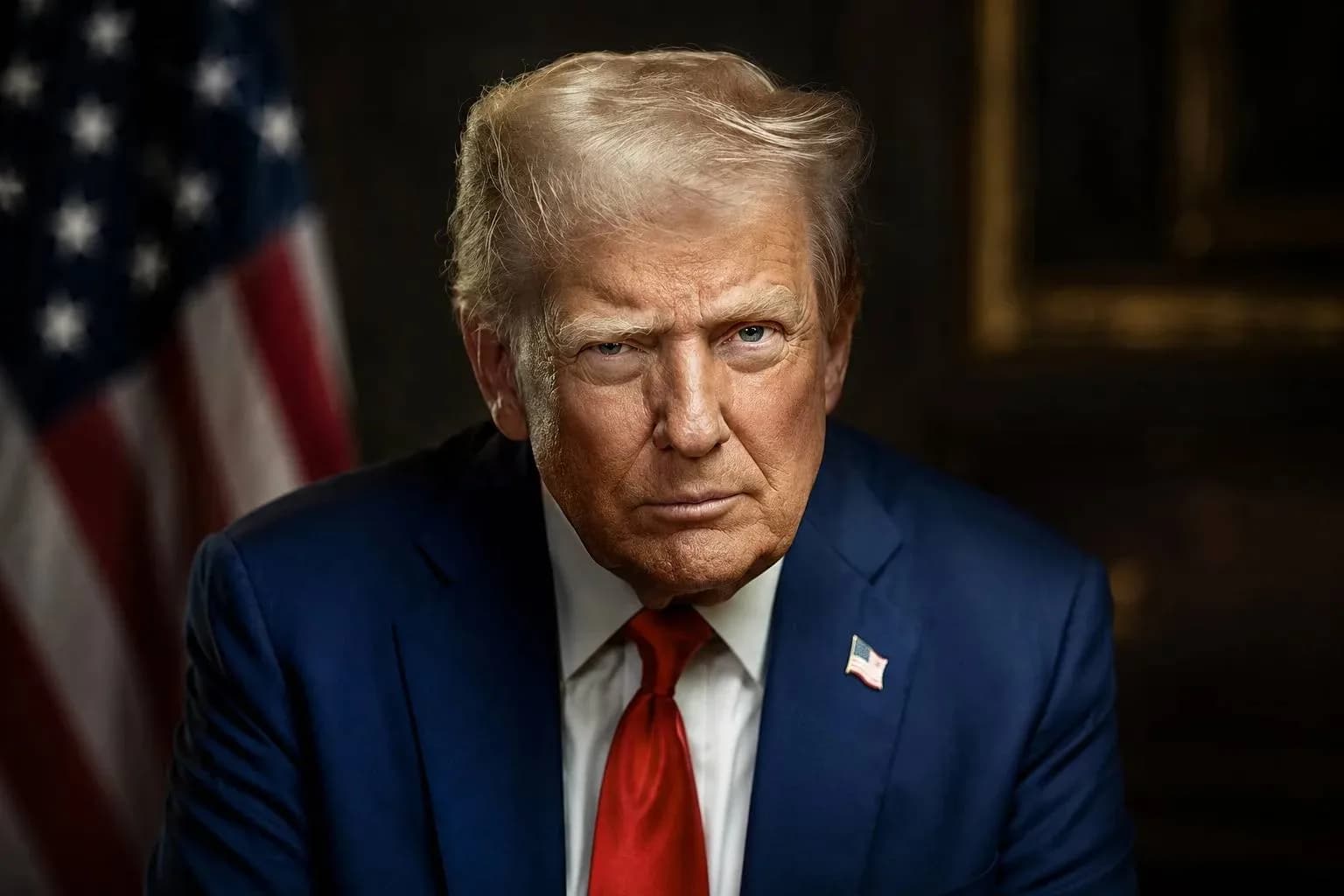
President Donald Trump shared his latest warning through Truth Social, urging Iran to immediately stop supporting armed proxy groups operating in Lebanon. He stated that if tensions continue to rise, the United States would respond with even stronger military action.
Although the statement carries a firm tone, it also comes while diplomatic talks between Washington and Tehran continue. This combination of negotiation and pressure has become a familiar approach in US foreign policy.
In many cases, political leaders use public warnings not only to influence governments but also to send messages to regional allies and armed groups. Trump's comments appear designed to reinforce America's position while encouraging Iran to reduce regional tensions.
Key Points From Trump's Statement
Iran should restrain armed proxy groups.
The US remains prepared to increase military pressure.
Diplomatic discussions are still taking place.
Washington continues monitoring developments in Lebanon.
Why Lebanon Remains at the Center of the Crisis
Hezbollah's Role in Regional Security
Lebanon remains central to the latest dispute because Hezbollah continues to play an influential role across the region. The organization has maintained close ties with Iran for decades, making it one of the primary concerns for both Israel and the United States.
Washington has consistently accused Tehran of providing military training, financial assistance, and advanced weapons to Hezbollah. Iranian officials, however, reject claims that they directly control the group's military decisions.
One common mistake people make is assuming Hezbollah only affects Lebanon. In reality, its activities have implications for neighboring countries, international diplomacy, and regional security strategies.
Why Hezbollah Matters
Strong military presence inside Lebanon
Long-standing alliance with Iran
Frequent tensions with Israel
Major influence on Middle East security policies
Ongoing US-Iran Diplomatic Talks
Can Diplomacy Still Prevent Escalation?
Despite increasingly strong public statements, diplomatic communication between the United States and Iran has not completely stopped. Officials continue exploring ways to reduce tensions while protecting their national interests.
From experience, negotiations often continue quietly even when political rhetoric becomes more aggressive. Public statements may appear confrontational, but diplomatic channels frequently remain open behind closed doors.
History has shown that successful diplomacy requires both pressure and compromise. Whether the current talks produce meaningful progress remains uncertain, but continued communication lowers the risk of misunderstandings that could trigger wider conflict.
How Rising Middle East Tensions Could Affect the World
Energy Markets
One of the biggest concerns surrounding Trump's warning involves global energy supplies. Investors closely watch every development because conflict involving Iran could affect oil production and transportation.
Particular attention remains focused on the Strait of Hormuz, one of the world's busiest oil shipping routes. Any disruption could quickly increase crude oil prices worldwide.
Global Trade
Higher regional tensions can also impact international shipping costs, insurance premiums, and delivery schedules for businesses around the world.
Countries heavily dependent on imported energy may experience higher transportation expenses, which can eventually contribute to inflation.
Financial Markets
Stock markets generally dislike uncertainty. Political instability often encourages investors to move toward safer assets while reducing exposure to riskier investments.
Possible economic impacts include:
Higher oil prices
Increased shipping costs
Supply chain disruptions
Greater market volatility
Reduced investor confidence
Comparison Table: Diplomacy vs Military Escalation
Factor | Continued Diplomacy | Military Escalation |
|---|---|---|
Regional Stability | Higher | Lower |
Oil Prices | More Stable | Likely Increase |
Global Trade | Limited Disruption | Greater Risk |
Investor Confidence | Stronger | Weaker |
International Relations | Improved Cooperation | Increased Tensions |
Competitor Comparison
Coverage Area | Most News Websites | This Article |
|---|---|---|
Trump's Statement | Yes | Yes |
Hezbollah Background | Basic | Detailed |
Market Impact | Brief | Comprehensive |
Diplomatic Context | Limited | Explained |
Practical Global Effects | Rarely Included | Included |
Reader-Friendly Analysis | Moderate | High |
Pros and Cons of Trump's Hardline Approach
Pros
Demonstrates a strong US security position.
May discourage further regional escalation.
Reassures American allies.
Strengthens diplomatic leverage during negotiations.
Cons
Could increase regional tensions.
May raise uncertainty in global markets.
Risk of military confrontation.
Higher oil prices could affect consumers worldwide.
Customer Experience and Real-World Perspectives
Many readers on Quora discussing previous Middle East crises noted that geopolitical tensions often become noticeable through higher fuel prices before they see any political headlines.
One American truck driver shared that during earlier regional conflicts, diesel prices increased within weeks, directly affecting transportation costs for small businesses. Another user working in international logistics explained how shipping companies immediately reviewed insurance costs whenever tensions around the Strait of Hormuz intensified.
These experiences highlight why political developments thousands of miles away can still influence everyday expenses for families and businesses worldwide.
What Could Happen Next?
Several scenarios remain possible over the coming weeks.
Diplomatic negotiations could continue successfully, reducing the likelihood of direct confrontation. Alternatively, additional attacks involving regional proxy groups could increase military pressure from the United States and its allies.
Governments, investors, and security experts will likely monitor:
Statements from Washington
Iran's official response
Hezbollah's activities
Israel's security decisions
Oil market reactions
International diplomatic meetings
The direction of these developments will determine whether the region moves toward greater stability or renewed uncertainty.
Final Thoughts
Trump's latest warning reflects the continued complexity of Middle East geopolitics. While diplomacy remains active, stronger public messaging indicates that Washington is prepared to increase pressure if regional tensions continue.
For global audiences, this story extends well beyond politics. Oil prices, trade routes, financial markets, and international security all depend on stability in one of the world's most strategically important regions.
As events continue to unfold, staying informed through credible reporting will help readers understand not only what is happening but also why it matters globally.
FAQs
1. Why did Trump warn Iran about Lebanon?
Trump warned Iran to stop supporting armed proxy groups in Lebanon, saying the US could take stronger military action if tensions continue to escalate.
2. What is Hezbollah's role in the current dispute?
Hezbollah is a Lebanon-based armed group that the United States says receives support from Iran. The group remains central to regional security concerns.
3. Are the United States and Iran still holding diplomatic talks?
Yes. Diplomatic discussions continue despite increasingly firm public statements from both sides.
4. Why are global markets paying attention?
Investors are concerned that increased tensions could affect oil supplies, shipping routes, and overall economic stability.
5. What is the Strait of Hormuz?
It is one of the world's busiest oil shipping routes, carrying a significant portion of global crude oil exports.
6. Could this situation increase fuel prices?
Yes. Any disruption affecting Middle East oil exports could contribute to higher global oil and fuel prices.
7. What should people watch in the coming days?
Readers should monitor diplomatic negotiations, official responses from Iran and the United States, developments involving Hezbollah, and movements in global energy markets.
Disclaimer: This article is based on publicly available information and current reports about Trump’s warning to Iran and regional developments. The analysis is provided for informational purposes only and does not represent political opinions or predictions.
Article Details
Category: Global
Published:
Updated:
Author: Fiza
More Stories