Why Fuel Prices Are Rising in Pakistan: Ali Pervaiz Malik
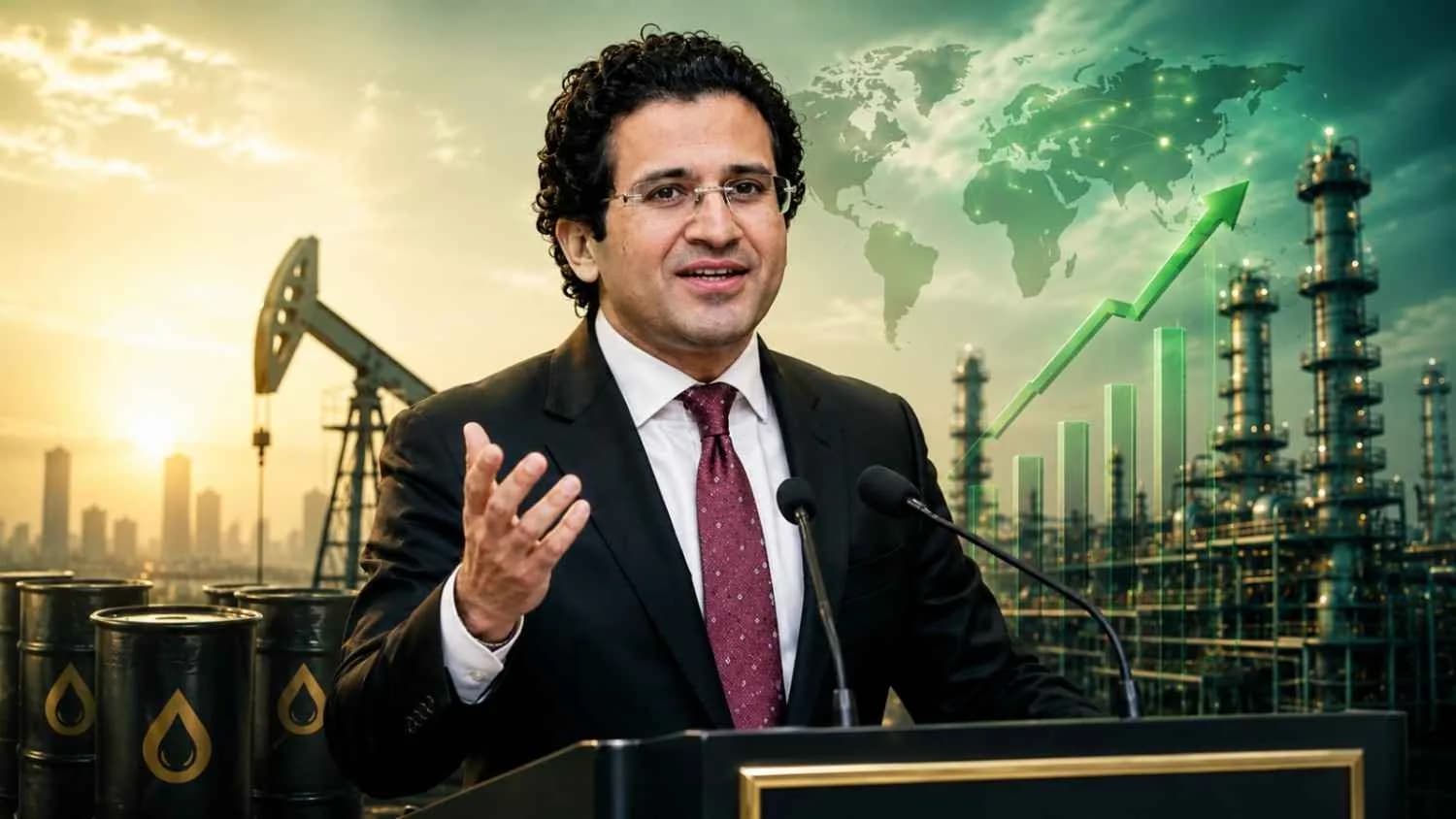
Why Fuel Prices Are Rising in Pakistan: Ali Pervaiz Malik
Introduction:
The latest increase in fuel prices in Pakistan has raised concerns among consumers, businesses, and transport operators. Petroleum Minister Ali Pervaiz Malik says the government is facing a difficult balancing act as global oil prices remain unpredictable and regional tensions continue to affect energy markets.
According to the minister, Pakistan cannot determine petroleum prices in isolation because international crude oil prices change rapidly. The government is reviewing fuel prices on a daily basis while trying to maintain transparency in the pricing process.
The discussion comes at a time when petroleum dealers are demanding a higher profit margin, adding another challenge for policymakers. At the same time, the government is encouraging local refineries to produce more diesel from imported crude oil to reduce long-term dependence on fuel imports.
From experience, fuel prices are rarely influenced by a single factor. International oil prices, transportation costs, exchange rates, taxes, and domestic policies all work together. When one element changes, consumers often feel the impact at the fuel pump within days.
Quick Overview
The current rise in petroleum prices is linked to several major factors:
Volatility in global crude oil markets
Regional uncertainty affecting fuel supply
Daily review of petroleum prices
Demands from petroleum dealers for higher margins
Government efforts to strengthen local refineries
Long-term plans to reduce dependence on imported diesel
Why This Matters
Higher fuel prices affect much more than transportation.
They influence:
Food delivery costs
Public transport fares
Manufacturing expenses
Business operating costs
Household budgets
One common mistake people make is assuming fuel prices rise only because of government decisions. In reality, international oil markets often have a much greater influence, especially for countries that rely on imported crude oil.
Understanding these factors helps explain why fuel prices can change even when domestic demand remains stable.Why Fuel Prices Are Rising in Pakistan, According to Ali Pervaiz Malik
Petroleum Minister Ali Pervaiz Malik says the recent increase in fuel prices is largely driven by conditions outside Pakistan's control. Speaking about the government's pricing policy, he explained that international oil markets remain highly volatile, making it difficult to keep domestic petroleum prices stable.
According to the minister, Pakistan cannot make fuel pricing decisions in isolation under the current regional situation. As global crude oil prices fluctuate, the government must regularly review local petroleum prices to reflect changing market conditions.
This explanation highlights an important reality: fuel prices are influenced by global events as much as domestic policies.
Global Oil Market Volatility Remains the Biggest Challenge
Crude oil is traded in international markets, and its price changes almost every day. Factors such as geopolitical tensions, supply concerns, and changing global demand can quickly push prices higher or lower.
Ali Pervaiz Malik noted that markets are also anticipating possible disruptions in fuel availability, creating additional uncertainty.
Major factors affecting fuel prices include:
Fluctuating international crude oil prices
Regional geopolitical uncertainty
Concerns over fuel supply
Daily changes in global energy markets
Market expectations about future availability
From experience, oil markets often react before an actual shortage occurs. Even rumors about supply disruptions can influence global prices.
Pakistan Reviews Petroleum Prices Daily
The minister confirmed that petroleum prices are being reviewed every day to ensure pricing reflects current market conditions.
This daily review allows the government to:
Monitor international oil price movements
Respond to changing market conditions
Maintain transparency in fuel pricing
Assess regional developments affecting energy markets
Unlike many consumer products, petroleum prices can change rapidly because crude oil is an internationally traded commodity.
Why Pakistan Cannot Set Fuel Prices Independently
Many people ask why Pakistan cannot simply keep petrol prices unchanged.
The answer lies in the country's dependence on international oil markets.
Pricing Factor | Impact on Pakistan |
|---|---|
Global crude oil prices | Direct effect on import costs |
Regional uncertainty | Increases market volatility |
Fuel supply concerns | Influences pricing decisions |
Government review | Adjusts prices based on market conditions |
One common mistake people make is believing governments have complete control over petrol prices. In reality, countries that import crude oil must consider international market movements when determining domestic fuel rates.
Transparency Remains Part of the Government's Approach
Ali Pervaiz Malik also emphasized that the government is sharing petroleum pricing information transparently while continuing daily reviews.
This approach aims to help consumers understand why prices change instead of creating uncertainty around fuel pricing decisions.
While higher petrol prices create challenges for households and businesses, the government says its decisions are based on changing international market conditions rather than a single domestic factor.How Global Oil Prices Affect Petrol Rates in Pakistan
Pakistan imports a significant portion of the crude oil and petroleum products it consumes. Because of this, changes in international oil prices have a direct impact on local fuel costs. Even if domestic demand remains steady, a rise in global crude prices can increase the cost of importing fuel.
Petroleum Minister Ali Pervaiz Malik explained that Pakistan cannot separate itself from international energy markets. When crude oil becomes more expensive globally, the government must review local petroleum prices to reflect the higher import cost.
In many cases, the price consumers pay at petrol stations starts changing long before they notice any difference in fuel supply. This is because oil markets react quickly to global developments.
Why International Oil Prices Matter
Crude oil prices move based on supply and demand across the world. Events taking place thousands of miles away can still affect fuel prices in Pakistan.
Some of the biggest factors include:
Global crude oil price fluctuations
Regional geopolitical tensions
Supply chain disruptions
Changes in international demand
Market expectations about future oil availability
From experience, energy markets often respond to uncertainty. If traders expect supply disruptions, oil prices can rise even before any actual shortage occurs.
Daily Price Reviews Help the Government Respond
The government reviews petroleum prices regularly because international oil markets change almost every day.
This process helps authorities:
Monitor global oil price movements
Evaluate import costs
Respond to changing market conditions
Share pricing decisions transparently
Rather than using a fixed pricing model, Pakistan adjusts its fuel pricing according to developments in international markets.
Global Factors vs Domestic Factors
Factor | Influence on Fuel Prices |
|---|---|
International crude oil prices | High |
Regional market uncertainty | High |
Government price review | Medium |
Dealer profit margins | Moderate |
Local refinery production | Long-term impact |
This comparison shows that global oil prices remain the largest driver of petroleum pricing, while domestic policies mainly influence how those costs are managed.
Customer Perspective: Why Fuel Prices Affect Everyday Life
Higher fuel prices do not only impact motorists. Almost every sector of the economy depends on transportation.
When petrol or diesel becomes more expensive, the effects can include:
Increased public transport fares
Higher delivery charges
Rising food transportation costs
Greater business operating expenses
Higher logistics costs for retailers
For example, a small business owner who relies on daily deliveries may see transportation expenses increase. Those additional costs are often passed on to customers through higher product prices.
One common mistake people make is assuming fuel prices only affect drivers. In reality, petroleum costs influence nearly every product that requires transportation from factories to stores.
Understanding this connection helps explain why changes in global oil markets eventually affect household budgets and the broader economy.Petroleum Dealers Demand Higher Profit Margin
Alongside rising international oil prices, the government is also facing pressure from petroleum dealers. According to Petroleum Minister Ali Pervaiz Malik, dealers are requesting an increase in their existing 8% profit margin, arguing that current operating conditions have become more challenging.
The minister acknowledged the demand but warned that adding another layer of pressure on fuel prices could make the overall situation even more difficult for consumers and the market.
This creates a delicate balancing act. The government must consider the financial sustainability of petrol stations while also protecting consumers from further price increases.
Why Are Petroleum Dealers Asking for Higher Margins?
Petrol stations are responsible for storing, transporting, and selling fuel safely. Dealers believe that rising operational expenses have reduced the effectiveness of the current profit structure.
Their concerns include:
Increasing business operating costs
Higher transportation expenses
Rising utility bills
Maintenance and staffing costs
Inflation affecting day-to-day operations
From experience, retailers in many industries seek higher margins when operating costs rise. However, governments often have to balance those requests against the impact on consumers.
Current Margin vs Proposed Increase
Although the government has not announced any change, the discussion has highlighted the industry's concerns.
Factor | Current Situation | Possible Effect if Increased |
|---|---|---|
Dealer profit margin | 8% | Higher operating income for dealers |
Fuel retail prices | Linked to market conditions | May face additional pressure |
Consumer impact | Existing price burden | Potential increase in fuel costs |
The final decision will depend on the government's broader fuel pricing strategy and economic priorities.
Balancing Industry Needs and Consumer Interests
The government is trying to manage several competing priorities at the same time.
These include:
Maintaining fuel availability
Supporting petroleum retailers
Reducing pressure on consumers
Ensuring market stability
Responding to global oil price movements
Ali Pervaiz Malik also noted that if petrol pumps become another point of pressure, managing the fuel market could become even more challenging.
Pros and Cons of Increasing Dealer Margins
Pros
Helps dealers manage rising operating costs
Supports the financial stability of fuel stations
Encourages uninterrupted fuel distribution
May improve service quality over time
Cons
Could increase fuel prices for consumers
May contribute to higher transportation costs
Adds pressure on inflation
Could affect businesses that depend on fuel
Looking Beyond Short-Term Challenges
While the debate over dealer margins continues, it is only one part of Pakistan's broader fuel pricing system. International crude oil prices, government policies, taxes, and refinery capacity all play a role in determining the final price paid by consumers.
One common mistake people make is blaming a single factor for rising petrol prices. In reality, fuel pricing is influenced by several interconnected elements, and dealer margins are only one piece of a much larger picture.
Government's Refinery Policy to Reduce Fuel Imports
While short-term fuel prices depend largely on global oil markets, the government is also working on long-term solutions to strengthen Pakistan's energy sector. Petroleum Minister Ali Pervaiz Malik said the focus is on increasing local refining capacity so that imported crude oil can be processed inside the country instead of relying heavily on imported refined petroleum products.
The objective is to produce more locally refined diesel, improve energy security, and reduce Pakistan's dependence on fuel imports over time.
From experience, countries with stronger refining industries are generally better prepared to manage supply disruptions because they can process crude oil domestically rather than importing finished fuel.
Why the Government Is Promoting Local Refineries
Pakistan imports crude oil as well as some refined petroleum products. By encouraging local refineries to process imported crude, the government hopes to create greater value within the country.
The policy aims to:
Increase domestic diesel production
Reduce dependence on imported refined fuel
Strengthen Pakistan's energy infrastructure
Support long-term industrial growth
Improve fuel supply stability
Ali Pervaiz Malik said the updated refinery policy has already been submitted as part of the government's broader energy strategy.
Local Refining vs Imported Fuel
Factor | Local Refining | Imported Refined Fuel |
|---|---|---|
Value addition | Higher | Lower |
Employment opportunities | More | Limited |
Energy security | Stronger | More dependent on imports |
Long-term sustainability | Better | More vulnerable to global disruptions |
This comparison shows why many countries invest in expanding their domestic refining capacity instead of depending entirely on imported petroleum products.
Customs Duty Changes to Support Refineries
The minister also announced that, under a decision approved by the Prime Minister, the customs duty (DM duty) under the refinery policy will be reduced by 2.5% every six months.
The gradual reduction is intended to:
Encourage refinery investment
Improve industry competitiveness
Support modernization projects
Promote local fuel production
Rather than introducing sudden policy changes, the government is taking a phased approach to give the industry time to adjust.
Why Refineries Matter During Energy Crises
Ali Pervaiz Malik noted that Pakistan's refineries have played an important role over the years. He added that if these refineries had not remained operational, the country could have faced a much more severe fuel crisis.
One common mistake people make is assuming refineries only process oil. In reality, they are a critical part of the entire energy supply chain, helping ensure a stable supply of diesel, petrol, and other petroleum products.
Long-Term Outlook for Pakistan's Energy Sector
Although refinery reforms may not reduce petrol prices immediately, they are designed to improve Pakistan's energy resilience over the long term.
If successfully implemented, the updated refinery policy could:
Reduce reliance on imported fuel
Increase local industrial activity
Create employment opportunities
Strengthen fuel supply chains
Support a more sustainable energy sector
By combining daily fuel price reviews with long-term refinery reforms, the government aims to manage current market challenges while preparing Pakistan's energy industry for future growth.
What Rising Fuel Prices Mean for Consumers and Pakistan's Economy
Fuel prices influence far more than the cost of filling a vehicle's fuel tank. Every increase in petrol or diesel prices affects transportation, manufacturing, agriculture, and retail businesses. As transportation costs rise, many businesses eventually pass those additional expenses on to consumers through higher product prices.
Petroleum Minister Ali Pervaiz Malik has made it clear that the government is trying to balance international market pressures with domestic economic stability. However, as long as Pakistan remains connected to global oil markets, international price movements will continue to affect local fuel rates.
In many cases, the biggest impact is felt by middle-income families and small businesses that depend on transportation every day.
How Higher Fuel Prices Affect Daily Life
Rising petroleum prices can influence several areas of the economy.
These include:
Higher public transport fares
Increased delivery charges
Rising food prices
Higher manufacturing costs
More expensive logistics services
Greater business operating expenses
For example, a delivery business may spend significantly more on fuel each month. Those additional costs are often reflected in shipping charges or product prices, affecting both businesses and consumers.
Customer Experience: Real-World Perspective
Many consumers understand that fuel prices are linked to global markets, but they also expect governments to provide long-term solutions that reduce future price shocks.
A common discussion on business forums and community platforms is that people appreciate transparency in fuel pricing, even when prices increase. Consumers generally want clear explanations about why prices change and what measures are being taken to improve energy security.
From experience, public confidence improves when governments communicate pricing decisions openly and introduce policies that strengthen domestic industries.
Comparison: Short-Term vs Long-Term Solutions
Short-Term Measures | Long-Term Measures |
|---|---|
Daily fuel price reviews | Refinery policy reforms |
Monitoring global oil markets | Increased local refining |
Transparent pricing updates | Reduced import dependence |
Managing supply concerns | Stronger energy security |
This comparison shows that while daily pricing decisions address immediate market conditions, refinery reforms are designed to improve Pakistan's energy future.
Final Thoughts
Fuel prices in Pakistan are shaped by a combination of international crude oil prices, regional developments, domestic policies, and industry requirements. Ali Pervaiz Malik's explanation highlights that pricing decisions involve multiple economic factors rather than a single government decision.
The government's updated refinery policy, daily market reviews, and plans to encourage local diesel production indicate that policymakers are looking beyond short-term challenges toward long-term energy stability.
While global oil prices may continue to fluctuate, strengthening Pakistan's refining sector could help reduce vulnerability to external shocks in the years ahead.
Stay Updated With PehlePakistan
Want the latest updates on petrol prices, government policies, business news, and Pakistan's economy?
Follow PehlePakistan for trusted coverage of fuel price changes, energy reforms, and the latest developments that matter to consumers and businesses.
FAQs
1. Why are fuel prices rising in Pakistan?
Fuel prices are increasing due to volatile international oil markets, regional uncertainty, and higher crude oil import costs.
2. What did Ali Pervaiz Malik say about petrol prices?
He said Pakistan cannot determine petroleum prices independently because global oil markets and regional conditions directly affect local pricing.
3. How often does the government review petroleum prices?
According to the petroleum minister, fuel prices are reviewed daily to reflect changes in international oil markets and maintain transparency.
4. Why are petroleum dealers demanding higher profit margins?
Dealers say rising operational expenses have made the current 8% profit margin insufficient and are requesting an increase.
5. What is Pakistan's updated refinery policy?
The policy encourages local refineries to process imported crude oil into locally refined diesel, helping reduce dependence on imported fuel.
6. Why is the government reducing customs duty under the refinery policy?
The government plans to reduce customs (DM) duty by 2.5% every six months to encourage refinery investment and strengthen domestic fuel production.
7. Will refinery reforms reduce petrol prices immediately?
No. Refinery reforms are designed as a long-term strategy to improve energy security and reduce reliance on imported refined petroleum products, rather than providing immediate price reductions.
Topics in this story
Article Details
Category: News
Published: 23 July 2026
Time: 4:34 pm
Updated: 24 July 2026 at 5:04 pm
Author: Rabia
More Stories