How Smart Cars Are Rewriting PCB Manufacturing Standards
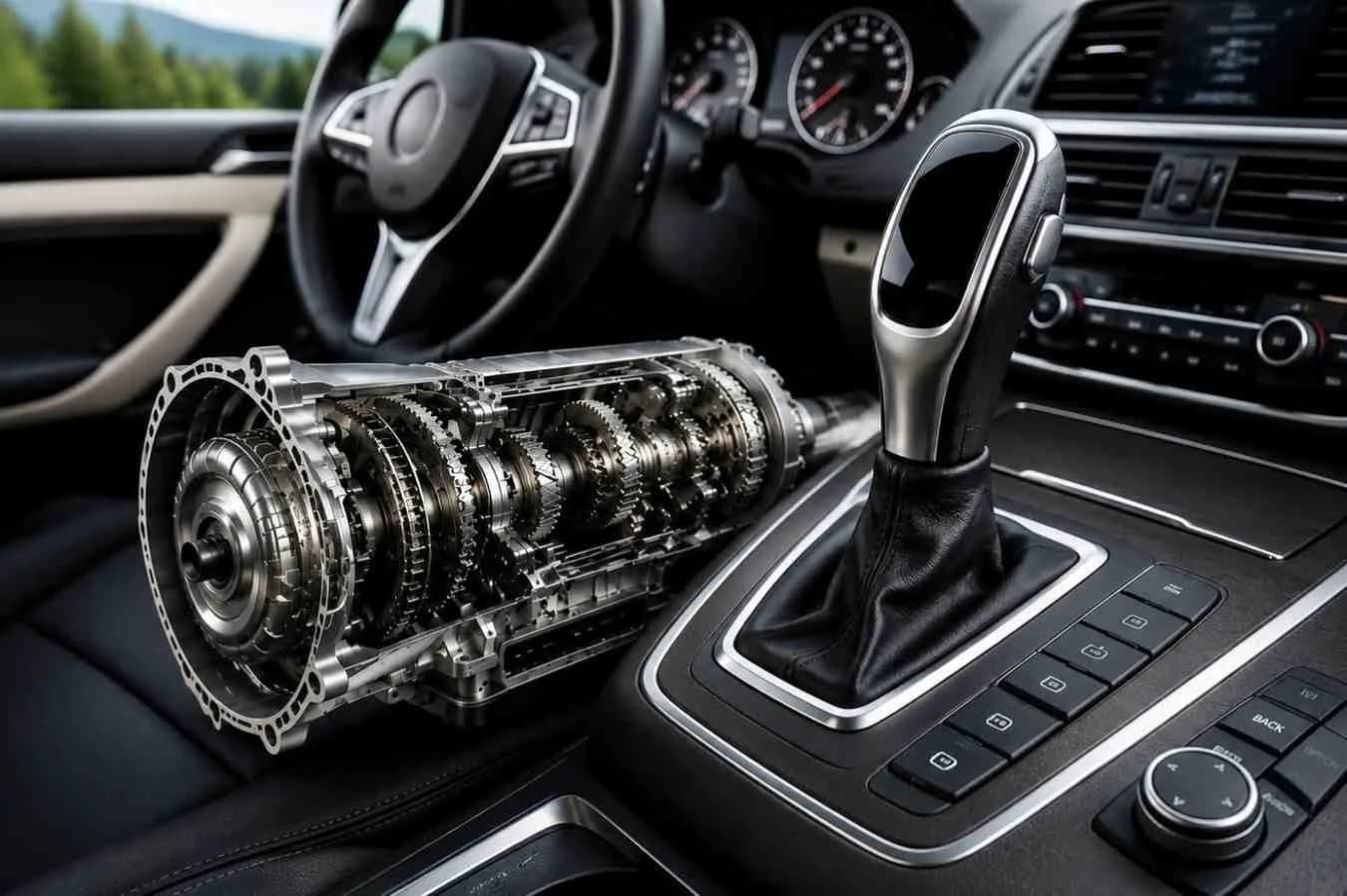
Cars today are becoming more like rolling computers than traditional machines. From touchscreen dashboards to AI-assisted braking systems, modern vehicles now depend heavily on printed circuit boards, commonly known as PCBs. That shift is quietly forcing manufacturers to rethink how these tiny electronic foundations are designed, tested, and produced.
Why Automotive Electronics Need Stronger PCB Standards
Automotive electronics operate under far tougher conditions than ordinary consumer gadgets. A smartphone rarely faces extreme heat, constant vibration, or heavy moisture exposure. A vehicle, however, deals with all three every single day.
Because of this, PCB manufacturers are moving toward stricter durability and safety benchmarks. In many cases, automakers now require boards that can survive temperatures above 125°C while maintaining stable electrical performance for years.
Electric vehicles are pushing these requirements even further. Battery management systems, charging modules, and advanced driver assistance systems rely on high-density PCB layouts that must function without interruption.
The Rise of ADAS and AI Integration
Advanced Driver Assistance Systems, often called ADAS, are changing PCB manufacturing priorities worldwide. Features like lane-keeping assistance, adaptive cruise control, and collision detection require ultra-fast signal transmission.
That demand has encouraged manufacturers to adopt high-frequency PCB materials and tighter production tolerances. One common mistake people make is assuming vehicle electronics only affect infotainment systems. In reality, modern PCBs now influence braking, steering, and battery safety.
From experience, the automotive sector is becoming one of the most demanding electronics markets because failure is not merely inconvenient. It can become a serious safety issue.
How EV Growth Is Reshaping PCB Production
Electric vehicle adoption is creating a major shift in PCB manufacturing standards. EVs contain significantly more electronic components than conventional fuel-powered vehicles.
| Vehicle Type | Estimated PCB Usage | Primary PCB Functions |
|---|---|---|
| Traditional Vehicles | Moderate | Engine control, lighting |
| Hybrid Vehicles | High | Battery systems, sensors |
| Electric Vehicles | Very High | Power management, AI systems |
Manufacturers are now investing in automated optical inspection systems and AI-powered quality control to reduce defects. Even microscopic PCB failures can trigger expensive recalls.
The financial pressure is enormous. A large-scale automotive recall can feel like repairing an entire apartment building because of one damaged pipe hidden inside the walls. The repair itself may be small, but the cost of finding and fixing every affected unit becomes massive.
New Materials Are Entering the Industry
PCB suppliers are increasingly shifting toward heat-resistant laminates and lightweight substrates. These materials help vehicles remain energy efficient while handling higher electrical loads.
Flexible and rigid-flex PCBs are also becoming more common in compact automotive designs. They save space and improve reliability, especially in vehicles packed with sensors and connected systems.
Supply Chains Are Under Pressure Too
Global automakers are also demanding greater transparency from PCB suppliers. Traceability standards have tightened since semiconductor shortages exposed vulnerabilities across the automotive industry.
Manufacturers now need better documentation, faster testing cycles, and stricter compliance with international safety certifications. In many cases, suppliers unable to meet these expectations risk losing long-term contracts.
The next few years will likely bring even stricter automotive PCB manufacturing standards as self-driving features and connected vehicles expand further. Companies that adapt early may gain a major advantage in a market where reliability is becoming just as important as innovation.
Quick Facts
- Electric vehicles use far more PCBs than traditional cars
- Modern automotive PCBs must withstand extreme heat and vibration
- ADAS systems require high-speed signal processing boards
- Automotive recalls linked to electronics can cost billions globally
Article Details
Category: Car
Published:
Author: Muhammad Anus
More Stories