Quick Answer
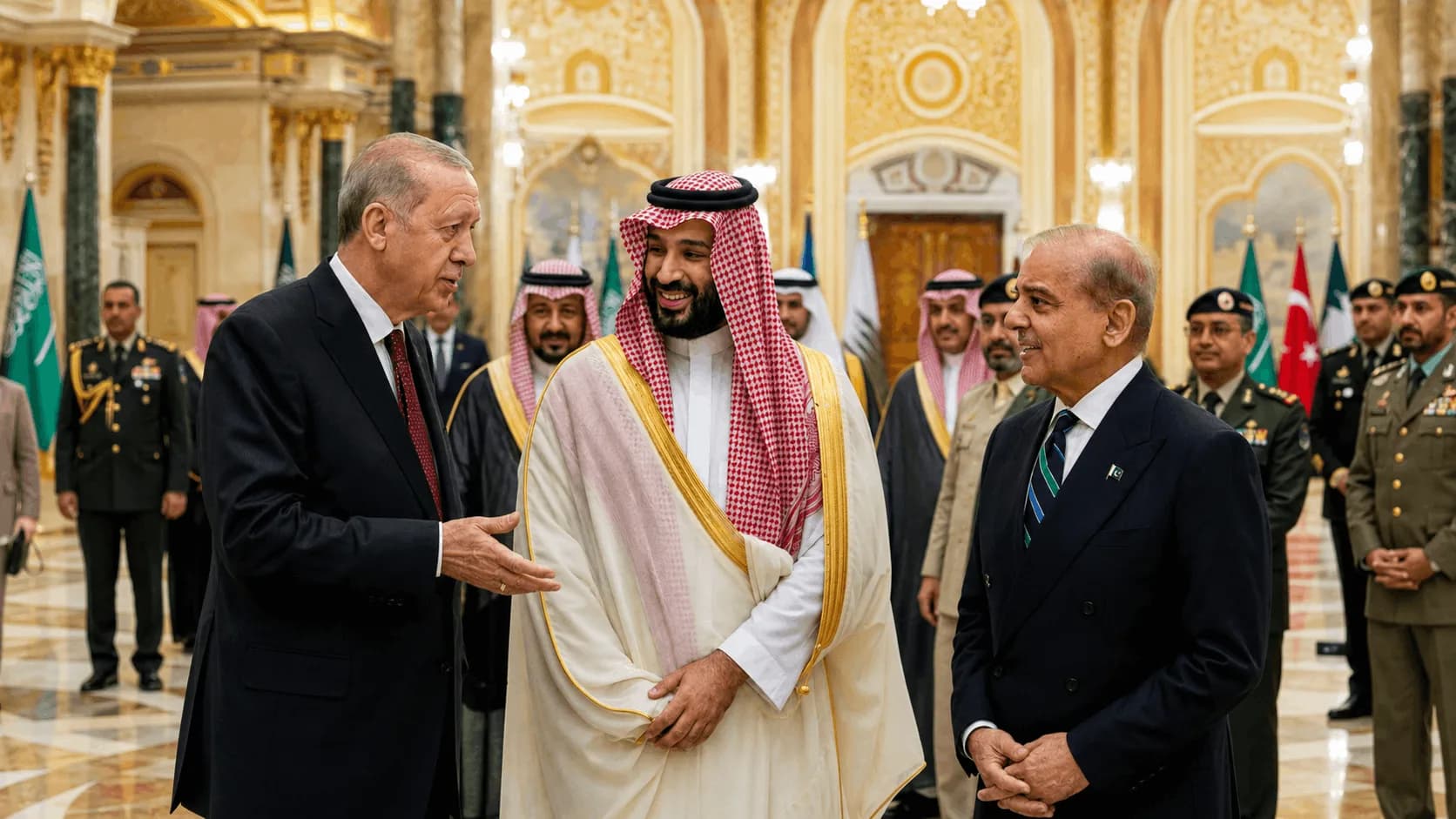
JD Vance Criticizes Israel's 'Freakout' Over Iran Deal as US Middle East Tensions Rise has sparked global debate over US foreign policy, regional security, and the future of diplomacy with Iran. The remarks come at a time when tensions in the Middle East remain high, raising concerns about oil prices, international alliances, and the broader economic impact on countries that depend on regional stability.
Why JD Vance's Remarks Matter
US Vice President JD Vance questioned Israel's strong reaction to discussions surrounding a possible Iran deal, bringing renewed attention to one of the world's most sensitive geopolitical issues. While the United States remains a close ally of Israel, Washington also faces pressure to pursue diplomatic solutions that reduce regional conflict.
From experience, foreign policy decisions in the Middle East rarely affect only one country. They often influence global energy markets, trade, and investor confidence. Even nations far from the region, including Pakistan, can experience higher fuel prices when tensions increase.
Comparison of Stakeholder Positions
Stakeholder | Main Priority | Current Position |
|---|---|---|
United States | Regional stability | Supports diplomacy while backing allies |
Israel | National security | Opposes concessions to Iran |
Iran | Sanctions relief | Supports renewed negotiations |
European Union | Prevent conflict | Encourages diplomatic dialogue |
Pakistan | Economic stability | Monitoring developments closely |
Global Impact Beyond Politics
The debate is not only about diplomacy. Political uncertainty in the Middle East can influence crude oil prices, shipping routes, and international investment. One common mistake people make is assuming these events only concern governments. In reality, higher energy costs can eventually affect transportation, food prices, and household budgets worldwide.
Beyond the Iran deal discussions, Gaza’s security situation remains another major issue influencing Middle East diplomacy. Read our detailed coverage on Hamas’ decision not to surrender arms and the proposed police-only weapons model in Gaza to understand the wider regional security debate.
Discussions on Quora also show that many readers compare today's negotiations with previous nuclear talks, noting that even small diplomatic statements can trigger major reactions in financial markets.
Pros and Cons of Renewed Iran Deal Talks
Pros
May reduce regional tensions.
Supports diplomatic engagement.
Could improve global energy market stability.
Encourages international cooperation.
Cons
Security concerns remain for Israel.
Political disagreements may delay progress.
Uncertainty can increase market volatility.
Trust between parties remains limited.
Expert Perspective and What Comes Next
In many cases, successful diplomacy depends on balancing security with negotiation. Countries that ignore either side often struggle to achieve lasting stability. Whether the Iran talks move forward or stall, investors, policymakers, and businesses will continue watching developments closely.
Public Perspective
Political analysts believe diplomacy remains the preferred path, while many citizens argue that regional security should never be compromised. Both viewpoints highlight how complex the issue has become.
Call to Action
Follow PehlePakistan for reliable updates on international politics, global economic developments, and Middle East affairs that influence Pakistan and the wider world.
FAQs
1. Why did JD Vance criticize Israel?
He questioned Israel's strong response to discussions about a possible Iran deal, arguing that diplomatic efforts should remain open.
2. Why is the Iran deal important?
The agreement could affect regional security, sanctions, global oil prices, and international diplomacy.
3. How could this affect Pakistan?
Any rise in Middle East tensions may increase oil prices, inflation, and import costs for Pakistan.
4. Why is Israel concerned about Iran?
Israel views Iran's nuclear program and regional influence as major national security threats.
5. Can diplomatic talks reduce tensions?
Successful negotiations may reduce conflict, although significant political differences remain.
6. How do global markets react to Middle East tensions?
Investors often respond with caution, while oil prices and market volatility can increase during periods of uncertainty.
7. What should readers watch next?
Future US-Iran negotiations, Israel's response, and changes in regional security policies will shape upcoming developments.
Article Details
Category: Global
Published:
Updated:
Author: Fiza
More Stories