Oil Tankers Warn of Strike Over Fuel Prices in Pakistan
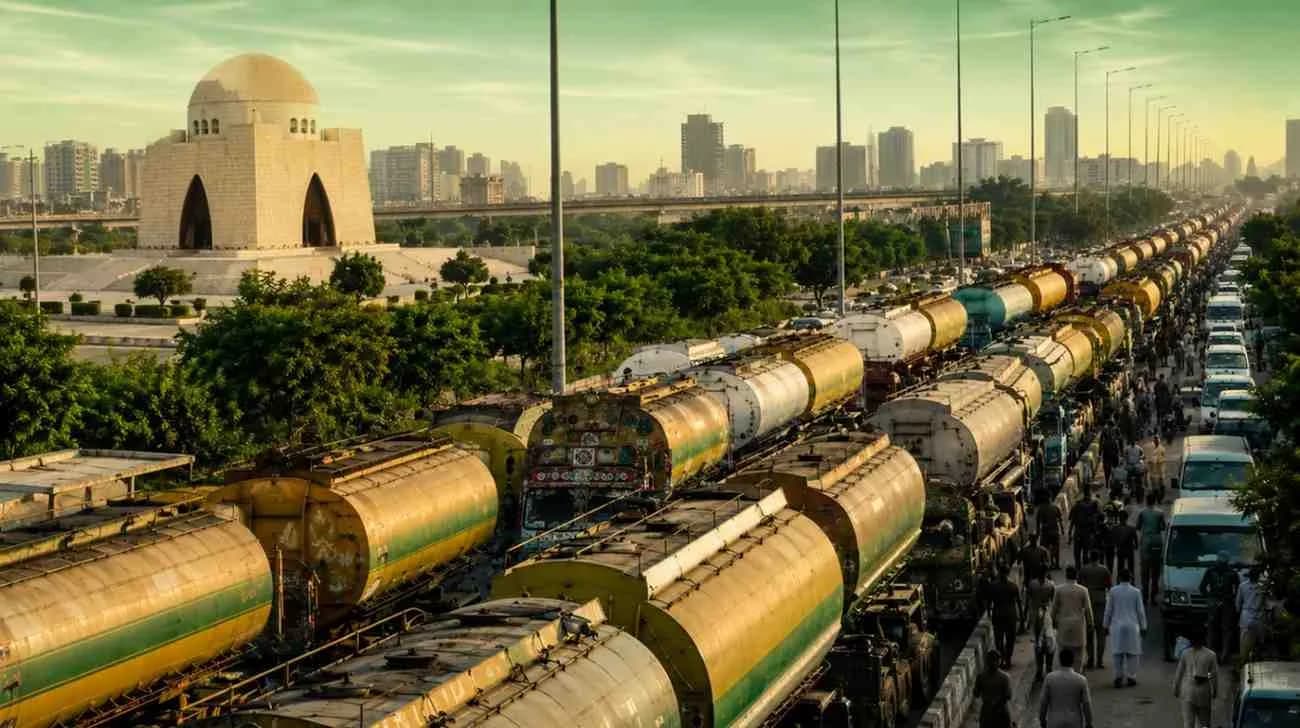
Oil Tankers Warn of Strike Over Fuel Prices in Pakistan
Oil Tankers Warn of Strike Over Fuel Price and Transport Issues
The ongoing debate around fuel prices in Pakistan has taken a new turn as the Pakistan Oil Tankers Association and contractors have issued a 72-hour ultimatum to the government, warning of a nationwide strike if their demands are not addressed.
The association says rising operational costs, unchanged freight rates, increased toll taxes, and the commercial loading policy are creating serious challenges for the oil transportation sector.
A possible strike by oil tanker operators could affect fuel supply chains across the country because tankers play a critical role in moving petroleum products from storage facilities and refineries to petrol stations.
According to industry representatives, any disruption caused by the strike would be the responsibility of the Ministry of Petroleum and the Oil and Gas Regulatory Authority (OGRA).
Quick Overview
The oil tanker industry’s concerns are linked to several major issues:
Commercial loading policy changes
Freight rates unchanged for three years
180% increase in motorway and NHA toll taxes
Rising vehicle maintenance and operational expenses
Concerns over daily fuel price adjustments
Recent petrol price increase by OGRA
Why This Situation Matters
Fuel transportation is one of the most important parts of Pakistan’s energy supply system. Even when fuel is available, it cannot reach consumers without a reliable transport network.
For example, in countries like the United States, fuel logistics companies carefully manage transportation costs because any disruption can quickly affect supply chains and prices. Pakistan faces a similar challenge where tanker operators must balance business costs with the need to maintain fuel availability.
From experience, transport disputes often involve more than one issue. Freight rates, taxes, fuel costs, and government policies usually combine to create pressure on the entire industry.
The next few days will be important as the government and tanker associations decide whether negotiations can prevent a nationwide disruption.Oil Tankers Association Issues 72-Hour Ultimatum to Government
The Pakistan Oil Tankers Association and contractors have given the government a 72-hour deadline to address their concerns, warning that failure to meet their demands could result in a nationwide strike.
The announcement was made during a joint press conference where association representatives highlighted the difficulties currently faced by the oil transportation sector. They stated that any disruption caused by the proposed strike would be the responsibility of the Ministry of Petroleum and the Oil and Gas Regulatory Authority (OGRA).
The warning has created concerns because oil tankers are a major part of Pakistan’s fuel distribution network. A prolonged strike could affect the movement of petroleum products and create pressure on fuel availability in different regions.
Main Demands Raised by Oil Tanker Operators
The association has pointed toward several issues that they believe are affecting their operations.
Their major demands include:
Immediate withdrawal of the commercial loading policy
Revision of oil tanker freight rates
Adjustment of freight charges according to rising costs
Consideration of increased motorway and NHA toll expenses
A more stable petroleum pricing approach
According to association representatives, these changes are necessary to maintain smooth fuel transportation across the country.
Why the Ultimatum Is Significant
Oil tankers operate as a connecting link between fuel suppliers and consumers. Refineries and storage facilities depend on tanker services to deliver petroleum products to petrol stations and commercial users.
Industry Issue | Impact on Tanker Operators |
|---|---|
Commercial loading policy | Operational challenges |
Higher toll taxes | Increased transportation expenses |
Unchanged freight rates | Reduced profitability |
Fuel price uncertainty | Difficulty managing costs |
This situation highlights a broader challenge in the energy sector. Fuel prices are not only affected by international oil markets but also by the efficiency and cost of domestic transportation systems.
Government Faces Pressure to Maintain Fuel Supply
The government now has to balance multiple concerns at the same time:
Keeping fuel supplies stable
Addressing tanker operators’ demands
Avoiding additional pressure on consumers
Maintaining petroleum market confidence
From experience, transport sector disputes can quickly become national economic concerns because transportation costs influence almost every industry.
A fuel supply disruption could affect businesses, public transport, logistics companies, and consumers. This is why negotiations between the government and tanker representatives will be important before the 72-hour deadline expires.
Why Oil Tankers Are Opposing the Commercial Loading Policy
One of the biggest concerns raised by the Pakistan Oil Tankers Association is the government’s commercial loading policy. The association has demanded its immediate withdrawal, stating that the policy has created serious challenges for the oil transportation sector.
Oil tanker operators argue that changes in loading arrangements can affect their business operations, cost management, and overall efficiency. Since fuel transportation requires proper planning, any policy shift can create uncertainty for companies involved in moving petroleum products across Pakistan.
In many cases, transport industries depend on predictable policies because vehicles, routes, staff, and maintenance schedules are planned months in advance.
How the Commercial Loading Policy Affects Tanker Operations
The association believes the current policy is increasing pressure on tanker operators at a time when operating costs are already rising.
Major concerns include:
Higher operational difficulties
Increased management challenges
Reduced business flexibility
Additional pressure on transportation costs
Uncertainty for tanker contractors
According to industry representatives, these issues need immediate attention to ensure uninterrupted fuel supply across the country.
Why Fuel Transportation Policies Matter
Oil tankers are not just transportation vehicles. They are an essential part of the petroleum supply chain.
The process involves:
Fuel production or import
Storage at terminals
Loading into tankers
Transportation through highways
Delivery to petrol stations
Any problem at one stage can affect the entire supply network.
Commercial Loading Policy vs Traditional Operations
Factor | Traditional System | Current Policy Concerns |
|---|---|---|
Planning | More predictable operations | Greater uncertainty |
Cost management | Easier budgeting | Increased pressure |
Transportation flow | Established process | Operational challenges |
Business decisions | Long-term planning possible | Requires adjustments |
This comparison explains why tanker operators are asking for policy changes. Their argument is that stable transportation rules help maintain reliable fuel distribution.
Impact on Consumers and Fuel Supply
Although the dispute is between tanker operators and authorities, consumers may also feel the effects if fuel transportation is disrupted.
Possible impacts include:
Delays in fuel delivery
Pressure on petrol stations
Increased transportation costs
Market uncertainty
A similar situation can be seen in other countries where transportation strikes affect supply chains. For example, logistics disruptions in the United States have shown that even a short interruption in fuel or goods movement can create wider economic effects.
From experience, supply chain stability is often overlooked until disruption happens. Policies affecting transport operators need to consider both industry sustainability and consumer protection.
Rising Operating Costs Push Tankers to Demand Higher Freight Rates
The Pakistan Oil Tankers Association says rising operational expenses have made it difficult for tanker operators to continue working under the existing freight structure. Association representative Abidullah Afridi stated that oil tanker freight rates have not been revised for the past three years despite a significant increase in business costs.
For transport companies, freight rates determine whether daily operations remain financially sustainable. When expenses increase but transportation charges remain unchanged, businesses often face pressure on profitability and service quality.
From experience, transportation industries are highly sensitive to cost changes. A small increase in fuel, maintenance, or route charges can create a major impact when vehicles operate across long distances every day.
Why Tanker Operators Want Freight Rate Revision
Oil tanker companies say their expenses have increased due to several factors.
Key cost pressures include:
Higher fuel expenses
Rising vehicle maintenance costs
Increased spare parts prices
Driver salary increases
Insurance and operational expenses
Higher highway toll charges
The association believes freight rates should be adjusted according to current market conditions to ensure sustainable fuel transportation.
Freight Rates: Previous Situation vs Current Challenges
Factor | Previous Situation | Current Challenge |
|---|---|---|
Freight rates | No revision for 3 years | Costs increased significantly |
Vehicle maintenance | Lower expenses | Higher repair costs |
Fuel costs | More manageable | Increased operational burden |
Business profitability | More stable | Reduced margins |
This situation reflects a common challenge in logistics businesses. When transportation costs rise faster than income, operators may struggle to maintain services without adjustments.
Why Freight Rates Matter for Fuel Supply
Oil tanker operators play an important role in keeping petroleum products available across Pakistan. If transportation companies face financial difficulties, it can affect the reliability of fuel distribution.
A stable freight system helps ensure:
Regular fuel movement
Better transportation planning
Sustainable tanker operations
Reduced supply chain risks
Pros and Cons of Increasing Freight Rates
Pros
Helps tanker operators manage rising expenses
Supports long-term fuel transportation stability
Encourages better vehicle maintenance
Reduces pressure on transport businesses
Cons
Higher transportation costs may affect fuel prices
Businesses using fuel may face additional expenses
Consumers could experience indirect price pressure
One common mistake people make is focusing only on petrol station prices while ignoring the transportation network behind fuel delivery. Before fuel reaches consumers, it passes through a complex supply chain where every cost factor matters.
A balanced approach is needed where tanker operators can continue operations while consumers are protected from unnecessary price increases.
180% Increase in Motorway and NHA Toll Taxes Adds Pressure on Oil Tankers
Another major concern raised by the Pakistan Oil Tankers Association is the sharp increase in transportation costs caused by higher motorway and National Highway Authority (NHA) toll taxes.
According to the association, motorway and NHA toll charges have increased by 180%, creating additional financial pressure on tanker operators. They are demanding that freight rates should be revised in proportion to these increased expenses.
For oil tanker companies, toll charges are not a one-time cost. Tankers regularly travel long routes across different regions, meaning even small increases in road charges can significantly affect monthly operating expenses.
How Higher Toll Taxes Affect Tanker Operations
Oil tankers depend heavily on highways and motorways to transport petroleum products from refineries, terminals, and storage facilities to different parts of the country.
Higher toll charges increase:
Cost per delivery trip
Monthly transportation expenses
Pressure on profit margins
Overall fuel distribution costs
From experience, logistics companies usually calculate every route expense before setting transportation prices. When toll charges increase suddenly, businesses often need to renegotiate rates to continue operations.
Toll Tax Impact on Oil Transportation
Cost Factor | Previous Situation | Current Impact |
|---|---|---|
Motorway tolls | Lower transportation burden | Increased route expenses |
NHA charges | More manageable costs | Higher operating pressure |
Freight rates | Unchanged for 3 years | Less room to absorb expenses |
Tanker operations | Stable planning | Need for cost adjustments |
This explains why tanker operators are asking the government to consider freight rate adjustments along with increased road charges.
Why Toll Costs Matter for Consumers
Although toll taxes directly affect transport companies, their impact can eventually reach consumers.
Possible effects include:
Higher fuel transportation costs
Increased logistics expenses
Pressure on product prices
Additional burden on businesses
For example, in countries like the United States, logistics companies closely monitor highway fees and fuel costs because transportation expenses directly influence supply chain pricing.
Balancing Road Revenue and Transport Sustainability
Highway and motorway tolls are important for maintaining road infrastructure, but transport operators argue that frequent increases without matching freight adjustments create financial pressure.
The government faces a difficult balance:
Maintaining highway development funds
Supporting transportation businesses
Avoiding unnecessary pressure on fuel prices
Ensuring uninterrupted petroleum supply
One common mistake people make is viewing fuel prices only through crude oil costs. In reality, transportation expenses, including toll charges, also play a role in determining how efficiently fuel reaches consumers.
Addressing these concerns could help prevent supply disruptions and maintain stability in Pakistan’s petroleum distribution system.
Transport Sector Raises Concerns Over Daily Fuel Price Changes
Along with oil tanker operators, other transport groups have also raised concerns about frequent changes in petroleum prices. The Dumpers Association has rejected the government’s proposed plan to revise petroleum product prices on a daily basis, warning that such a move could create uncertainty across the transport sector.
Association President Haji Liaquat Mehsud said daily fuel price fluctuations could make it difficult for transport businesses to manage costs, set fares, and plan operations effectively.
For transport companies, fuel is one of the biggest operating expenses. When prices change frequently, businesses may struggle to calculate future costs and maintain stable pricing for customers.
Why Transporters Oppose Daily Fuel Price Adjustments
The Dumpers Association believes frequent price changes could create challenges for several industries.
Their major concerns include:
Uncertainty in transportation costs
Difficulty setting transport fares
Increased pressure on construction activities
Higher supply chain expenses
Additional burden on consumers
From experience, businesses usually prefer predictable costs because they can plan budgets, contracts, and pricing strategies more effectively.
Impact of Daily Fuel Price Changes on Different Sectors
Sector | Possible Impact |
|---|---|
Transport companies | Difficulty managing operating costs |
Construction industry | Higher machinery and logistics expenses |
Businesses | Increased delivery costs |
Consumers | Possible rise in product prices |
This shows why fuel pricing decisions affect more than just vehicle owners. Almost every industry depends on transportation.
Daily Pricing Model vs Stable Pricing Approach
Daily Fuel Price Changes | Stable Fuel Pricing |
|---|---|
Reflects international market changes quickly | Provides business planning certainty |
Faster response to global oil movements | Easier cost management |
May create uncertainty for transporters | More predictable expenses |
Both approaches have advantages and challenges. Daily pricing can help reflect market changes, but transport operators argue that frequent adjustments make business planning more difficult.
Customer Experience: How Fuel Uncertainty Reaches the Public
When transport companies face unpredictable fuel costs, consumers may eventually feel the impact through:
Higher transport fares
Increased delivery charges
Rising construction costs
More expensive goods
A similar situation occurs in global logistics markets. In the United States, transportation companies often use fuel adjustment clauses in contracts to manage sudden fuel price increases. This helps businesses handle volatility without changing prices every day.
One common mistake people make is assuming fuel price changes only affect petrol buyers. In reality, fuel costs influence the entire economy because transportation connects producers, businesses, and consumers.
A balanced pricing system needs to consider both market realities and the operational needs of transport industries.
OGRA Increases Petrol Price by Rs6.39 Per Litre Amid Growing Concerns
While transport associations are already raising concerns over rising operational costs, the Oil and Gas Regulatory Authority (OGRA) increased petrol and high-speed diesel prices for one day, adding further pressure to the ongoing fuel pricing debate.
According to the latest update, petrol prices were increased by Rs6.39 per litre, taking the new petrol price to Rs327.12 per litre.
The price adjustment came at a time when oil tanker operators and transport groups were already expressing concerns about rising expenses, freight rates, and uncertainty caused by changing petroleum prices.
Latest Petrol Price Update in Pakistan
The recent adjustment has increased concerns among consumers and transport businesses because fuel costs directly affect daily expenses.
Petroleum Product | Price Change | Updated Rate |
|---|---|---|
Petrol | Increased by Rs6.39 per litre | Rs327.12 per litre |
High-Speed Diesel | Revised by OGRA | Updated according to notification |
Fuel price changes are closely monitored because petrol and diesel are essential for transportation, logistics, agriculture, and industrial activities.
Why This Increase Matters for Transport Operators
For oil tanker companies and other transport businesses, fuel itself is one of the largest operating expenses.
A petrol price increase can affect:
Vehicle running costs
Transportation charges
Delivery expenses
Business profitability
Consumer prices
For example, a transport company managing a large fleet cannot adjust its expenses instantly. Even a small increase in fuel prices can create a significant difference when vehicles travel hundreds of kilometers daily.
Fuel Prices and Supply Chain Pressure
Fuel price increases often create a chain reaction throughout the economy.
Area | Possible Effect |
|---|---|
Transportation | Higher operating costs |
Retail businesses | Increased delivery expenses |
Agriculture | More expensive machinery operations |
Consumers | Possible rise in product prices |
From experience, fuel pricing decisions require careful management because they influence both businesses and households.
Balancing Market Conditions and Consumer Concerns
The government faces a challenging situation. It must consider international oil prices, supply stability, transport sector demands, and consumer affordability at the same time.
While price adjustments may be necessary due to global market conditions, transport associations argue that businesses also need a predictable environment to operate effectively.
One common mistake people make is viewing petrol price increases only as a government decision. In reality, fuel prices are connected with global oil markets, exchange rates, taxes, transportation costs, and supply chain conditions.
As discussions continue between the government and transport associations, the focus remains on preventing fuel supply disruptions while maintaining a workable pricing system.
What Could Happen If Oil Tankers Go on Strike?
A nationwide strike by oil tanker operators could create challenges for Pakistan’s petroleum supply chain. Since oil tankers are responsible for transporting fuel from refineries, terminals, and storage facilities to petrol stations, any major disruption could affect fuel availability in different regions.
The Pakistan Oil Tankers Association has warned that if its demands are not addressed within the given 72-hour deadline, a nationwide strike could begin. While the actual impact would depend on the duration of the strike and government response, even a temporary disruption could create uncertainty in fuel markets.
From experience, supply chains often appear invisible until a disruption occurs. A small delay at one stage can create wider challenges for businesses and consumers.
Possible Effects of an Oil Tanker Strike
If tanker operations are suspended, several sectors could experience pressure.
Potential impacts include:
Delays in fuel transportation
Pressure on petrol station supplies
Increased uncertainty in fuel markets
Higher transportation costs
Disruption for businesses dependent on logistics
Industries that rely heavily on fuel, such as construction, agriculture, manufacturing, and transportation, could face additional challenges.
Oil Tanker Strike Impact: Benefits and Risks
Possible Benefits
May encourage government and industry discussions
Could highlight transport sector challenges
May lead to policy reviews
Could improve long-term industry regulations
Possible Risks
Fuel supply disruptions
Consumer inconvenience
Higher transportation expenses
Increased pressure on businesses
Possible impact on essential goods supply
A strike can bring attention to industry problems, but it can also create difficulties for ordinary consumers who depend on reliable fuel availability.
Comparing Fuel Supply Systems
Factor | Stable Supply System | Strike Situation |
|---|---|---|
Fuel transportation | Regular deliveries | Possible delays |
Petrol station supply | More predictable | Risk of shortages |
Business operations | Easier planning | Increased uncertainty |
Consumer impact | Normal fuel access | Possible inconvenience |
Customer Experience: How People May Feel the Impact
For everyday consumers, the first concern during a fuel supply disruption is availability. Motorists may worry about petrol station shortages, while businesses may face delays in transportation and deliveries.
Small businesses can be especially affected because many operate with limited fuel budgets and cannot easily absorb sudden cost increases.
A similar situation has occurred in other countries where transportation strikes affected logistics networks. For example, fuel delivery disruptions in developed markets have shown that maintaining a reliable transportation system is essential for economic stability.
Government’s Challenge Moving Forward
The government must now balance the demands of tanker operators with the need to protect consumers.
Key priorities include:
Ensuring uninterrupted fuel supply
Reviewing industry concerns
Maintaining reasonable transportation costs
Creating a stable petroleum pricing system
One common mistake people make is focusing only on petrol prices while ignoring the supply chain behind fuel delivery. A strong energy system requires cooperation between regulators, suppliers, and transport operators.
Final Thoughts
The 72-hour ultimatum from the Pakistan Oil Tankers Association highlights growing pressure within the country’s fuel transportation sector. Rising toll taxes, unchanged freight rates, policy concerns, and changing fuel prices have created challenges for tanker operators.
While the government must consider industry demands, it also needs to protect consumers from unnecessary disruptions and price pressure.
A practical solution will require dialogue, transparent policies, and long-term planning to create a more stable petroleum supply system for Pakistan.Stay Updated With PehlePakistan
Stay informed with the latest updates on fuel prices, petroleum policies, Pakistan’s economy, and major business developments.
Follow PehlePakistan for reliable news and analysis that helps you understand how government decisions and market changes affect everyday life.
FAQs
1. Why did the Oil Tankers Association issue a 72-hour ultimatum?
The Oil Tankers Association issued the ultimatum due to concerns over the commercial loading policy, unchanged freight rates, rising operational costs, and increased toll taxes.
2. What will happen if oil tankers go on strike in Pakistan?
A nationwide oil tanker strike could affect fuel transportation, create supply challenges, and increase uncertainty for businesses and consumers.
3. Why are oil tanker operators demanding higher freight rates?
Operators say freight rates have not been revised for three years despite rising fuel, maintenance, and operational expenses.
4. How much did motorway and NHA toll taxes increase?
According to the Oil Tankers Association, motorway and National Highway Authority toll taxes increased by 180%, adding pressure on transportation costs.
5. Why did the Dumpers Association oppose daily fuel price changes?
The Dumpers Association said daily fuel price changes could create uncertainty for transport businesses, construction activities, and supply chains.
6. What is the new petrol price after OGRA’s increase?
OGRA increased petrol prices by Rs6.39 per litre, bringing the new petrol price to Rs327.12 per litre.
7. How can fuel price changes affect consumers?
Fuel price changes can increase transportation costs, delivery charges, business expenses, and the prices of everyday goods.
Topics in this story
Article Details
Category: News
Published: 23 July 2026
Time: 5:53 pm
Updated: 23 July 2026 at 6:15 pm
Author: Rabia
More Stories