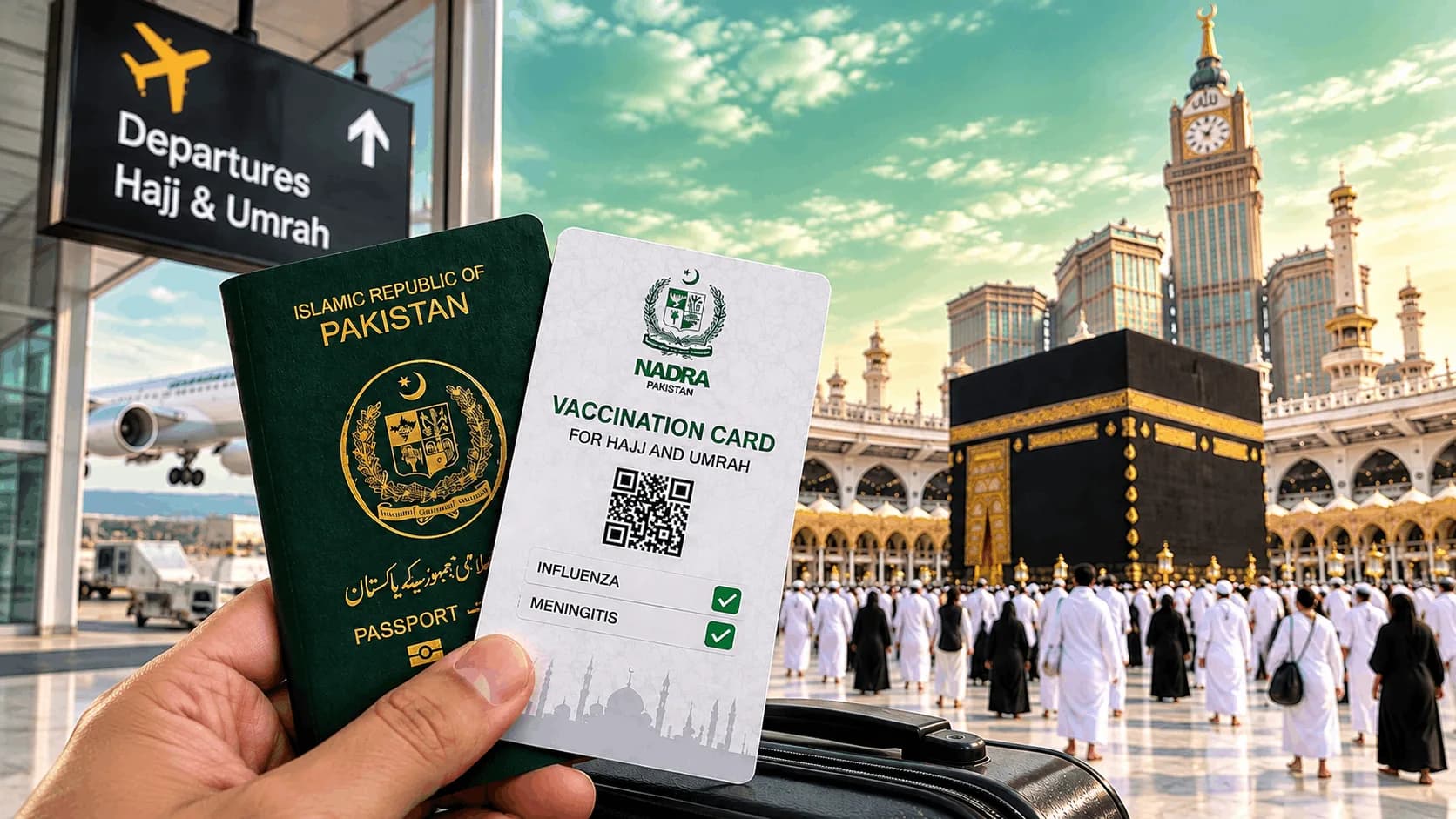
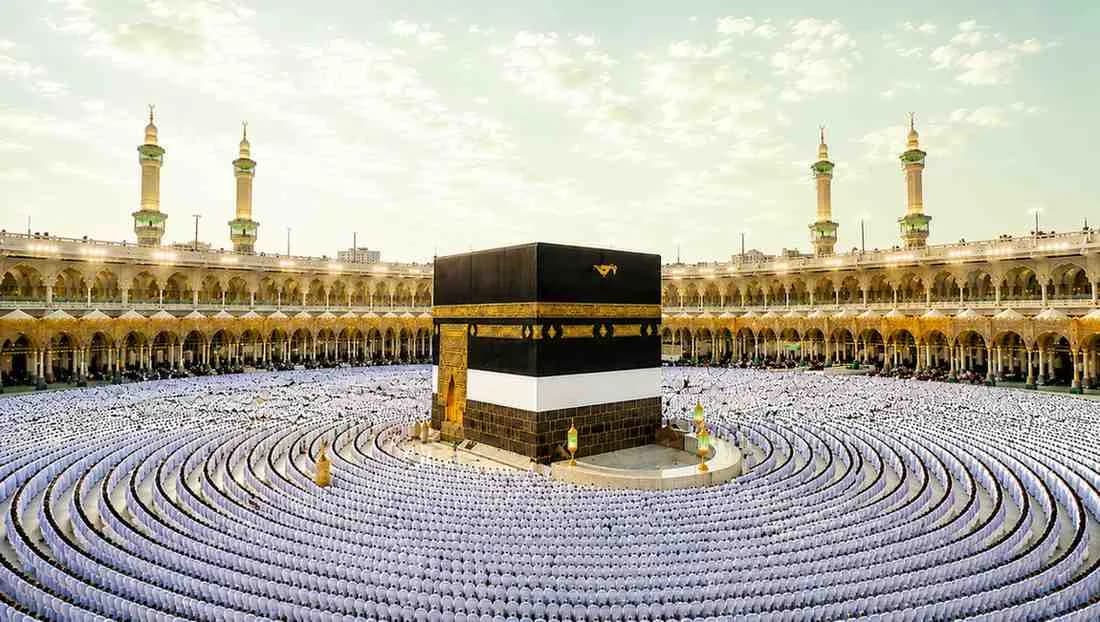
A New Approach to Make Hajj More Affordable and Transparent
Pakistan has introduced a new Hajj Savings Scheme under its Multi-Year Hajj Policy and Plan 2027-2030 to make pilgrimage planning easier, more organised, and financially manageable for citizens. The Ministry of Religious Affairs and Interfaith Harmony has designed this framework to improve transparency, reduce operational costs, and provide better facilities for pilgrims.
The biggest change is the government’s shift from yearly planning to a long-term strategy. Instead of arranging services every year separately, Pakistan will seek multi-year agreements in Saudi Arabia for accommodation, transport, catering, air travel, and baggage management.
In many cases, long-term contracts help organisations negotiate better prices and avoid last-minute increases. A similar approach is often used by large travel companies globally, where advance planning allows customers to receive more predictable pricing and improved services.
Key Features of Pakistan’s New Hajj Policy
The new policy focuses on creating a smoother experience for pilgrims through digital systems and better coordination. Major features include:
Multi-year service contracts in Saudi Arabia
Digital payment facilities for all Hajj-related transactions
Improved monitoring of private Hajj operators
Better safety and welfare arrangements
Financial planning support through the Hajj Savings Scheme
Updated Hajj Quota Distribution
Under the new framework, the total Hajj quota will be divided between government and private operators.
Category | Quota Allocation |
|---|---|
Government Hajj Scheme | 60% |
Private Hajj Operators | 40% |
This distribution aims to provide pilgrims with more options while maintaining government oversight.
Digital Payment System Replacing Cash Transactions
One major improvement is the introduction of a completely cashless payment system. Pilgrims will complete financial transactions through State Bank of Pakistan channels and approved digital payment platforms.
From experience, digital payment systems can reduce confusion and improve accountability, especially when thousands of people are managing payments at the same time. However, proper guidance will remain important for elderly pilgrims who may need assistance using online platforms.
Reforms for Private Hajj Operators
The policy also introduces stricter rules for private operators. Companies will need SECP registration, maintain required financial reserves, and provide a 5% performance guarantee before receiving a licence.
A common mistake people make is choosing a Hajj operator only based on price. Pilgrims should also check reliability, registration status, previous service records, and customer feedback before making payments.How Pakistan’s Hajj Savings Scheme Will Help Pilgrims Plan Better
The newly introduced Hajj Savings Scheme is designed to make pilgrimage planning easier by allowing applicants to prepare financially over multiple years. Instead of arranging the complete Hajj payment at once, pilgrims will get an opportunity to secure their registration through an organised savings system.
Under this scheme, applicants can deposit 10% of the estimated Hajj cost to register their interest for a preferred travel year. The selection process will follow a first-come, first-served approach, giving early applicants a better chance of planning their journey.
For many families, saving gradually is more practical than managing a large payment suddenly. Similar savings-based travel models are commonly used worldwide, where customers prepare in advance for expensive journeys instead of facing financial pressure close to the departure date.
How the Hajj Savings Scheme Works
The process focuses on early preparation and financial discipline. Key points include:
Applicants register through the official system
A 10% initial deposit is required
Pilgrims can choose their preferred Hajj year
Priority will be given based on registration timing
Remaining payments will be completed according to government guidelines
One important advantage is that this approach gives families more time to arrange funds. However, pilgrims should carefully understand payment schedules and official terms before registering.
Government Hajj Package Options
The new policy provides flexibility by introducing two government scheme packages:
Package Type | Duration | Suitable For |
|---|---|---|
Standard Package | 38 to 42 days | Pilgrims who prefer a traditional longer stay |
Short Package | 20 to 25 days | Those looking for a shorter and more focused journey |
This option allows pilgrims to select a package according to their health, availability, and financial situation.
Pros and Cons of the Hajj Savings Scheme
Pros | Cons |
|---|---|
Helps pilgrims plan payments early | Final cost may depend on future Hajj expenses |
Reduces financial pressure | Requires early commitment |
Provides organised registration | Digital process may be challenging for some elderly applicants |
Improves transparency | Detailed payment schedule needs clear communication |
Customer Experience and Real-World Use Cases
Many pilgrims face difficulties when Hajj costs increase suddenly or when arrangements are made at the last moment. A structured savings system can reduce this challenge by giving families more preparation time.
For example, a family planning Hajj after two or three years can gradually save money instead of arranging a large amount within a short period. This model can be especially helpful for middle-income households.
One common mistake people make is waiting until the final registration period. Early planning usually provides better financial control and reduces unnecessary stress during the application process.
Financial Protection and Pilgrim Support
The policy also introduces financial protection through the Takaful-based Hujjaj Muhafiz Scheme. Pilgrims will contribute a non-refundable fee of Rs1,000 for coverage.
The scheme includes:
Rs2 million financial support for families of pilgrims who die during Hajj
Rs250,000 assistance for emergency medical evacuation
These measures show a stronger focus on pilgrim safety, not just travel arrangements.Better Support System for Pakistani Hajj Pilgrims
The new Hajj Policy 2027-2030 focuses not only on cost management but also on improving the overall experience of pilgrims. The government has introduced several welfare and safety measures to ensure that pilgrims receive proper guidance before and during their journey.
A major improvement is the introduction of mandatory training programmes. These sessions will help pilgrims understand Hajj rituals, Saudi laws, health precautions, hygiene practices, and the use of important mobile applications.
From experience, proper preparation can make a major difference during large religious gatherings. Many difficulties faced by pilgrims happen because they are unfamiliar with procedures, locations, or emergency protocols. Better training can reduce confusion and help pilgrims perform Hajj with more confidence.
New Facilities for Women Pilgrims
One significant reform in the policy is that women will be allowed to perform Hajj without a male guardian (Mahram), provided they submit an official undertaking.
This step provides more flexibility for women who wish to perform the pilgrimage but may not have a Mahram available. However, applicants should carefully review official requirements before registration to avoid documentation issues.
Emergency Response and Safety Measures
The policy introduces an Emergency Response Team under the Director-General of Hajj to handle unexpected situations during Hajj operations.
The team will focus on:
Managing emergency situations
Coordinating quick responses
Supporting pilgrims during crises
Improving communication between departments
Large-scale events like Hajj require strong emergency planning. Similar systems are used internationally during major gatherings where crowd management and rapid response play an important role.
Private Hajj Operators: New Rules Compared With Previous System
The government has also introduced stricter regulations for private operators to improve service quality.
Feature | Previous Approach | New Policy 2027-2030 |
|---|---|---|
Operator Monitoring | Limited oversight | Stronger regulatory checks |
Registration | General requirements | SECP registration mandatory |
Quota Handling | Risk of misuse | Buying and selling quotas prohibited |
Performance Security | Less strict system | 5% performance guarantee required |
Private operators that fail to meet the minimum requirement of 2,000 pilgrims may face deactivation and security deposit penalties.
Government Hajj Scheme vs Private Hajj Operators
Category | Government Scheme | Private Operators |
|---|---|---|
Quota Share | 60% | 40% |
Management | Ministry supervised | Licensed companies |
Payment System | Digital official channels | Official private portal |
Flexibility | Standard government packages | More service options |
Choosing between both options depends on a pilgrim’s budget, preferred services, and comfort level. Price should not be the only deciding factor because service reliability is equally important.
Customer Experience: What Pilgrims Should Expect
The biggest benefit of this policy is better planning. A pilgrim who starts saving early, completes training, and chooses a reliable service provider can expect a smoother journey.
For example, many travellers worldwide prefer advance booking systems because they reduce uncertainty and improve preparation. The same principle applies to Hajj planning, where thousands of arrangements must be completed within a limited period.
One common mistake people make is focusing only on the package price. Pilgrims should also consider operator reputation, accommodation standards, support services, and emergency assistance.
Take the First Step Towards Easier Hajj Planning
The new Hajj Savings Scheme provides an opportunity for Pakistani pilgrims to prepare earlier, manage expenses better, and experience a more organised pilgrimage process.
If you are planning for Hajj in upcoming years, start by understanding official requirements, preparing documents, and following updates from the Ministry of Religious Affairs. Early planning can help avoid last-minute challenges and make your spiritual journey more comfortable
.Frequently Asked Questions (FAQs)
1. What is Pakistan’s new Hajj Savings Scheme 2027?
Pakistan’s Hajj Savings Scheme 2027 is a multi-year registration system introduced under the new Hajj Policy 2027-2030. It allows applicants to start planning their pilgrimage financially by depositing 10% of the estimated Hajj cost during registration. The scheme aims to reduce financial pressure and provide a more organised process for pilgrims.
2. How much amount is required to register for the Hajj Savings Scheme?
Applicants will need to deposit 10% of the estimated Hajj cost to secure priority registration under the scheme. The remaining payment details and schedule will be announced according to official government guidelines.
3. Who can apply for Pakistan’s Hajj Savings Scheme?
Pakistani citizens who meet the eligibility requirements set by the Ministry of Religious Affairs will be able to apply. Applicants should follow official announcements regarding registration procedures, required documents, and payment methods.
4. What are the Hajj package options under the new policy?
The government scheme will offer two package options for pilgrims:
Standard package: 38 to 42 days
Short package: 20 to 25 days
Pilgrims can choose the option that best matches their availability, health condition, and travel preferences.
5. Will women be allowed to perform Hajj without a Mahram in Pakistan’s new policy?
Yes, the new Hajj Policy allows women to perform Hajj without a male guardian (Mahram), subject to submitting an official undertaking and fulfilling government requirements.
6. How will the new Hajj policy reduce costs for pilgrims?
The policy aims to reduce expenses through long-term service contracts in Saudi Arabia for accommodation, transport, catering, air travel, and baggage management. Digital payment systems and better planning are also expected to improve transparency and reduce operational challenges.
7. What financial protection is available for Pakistani Hajj pilgrims?
Under the Takaful-based Hujjaj Muhafiz Scheme, pilgrims will contribute a non-refundable fee of Rs1,000. The scheme provides Rs2 million support for families of pilgrims who die during Hajj and Rs250,000 assistance for emergency medical evacuation.
Article Details
Category: News
Published:
Updated:
Author: Rabia
More Stories